London's Lucky Escape: Why Shein's Hong Kong Float Is a Win for the City
Shein's decision to list in Hong Kong rather than London spares the UK a reputational headache, but exposes the City's desperation for tech listings. The episode signals a shift in global capital flows and the growing cost of ignoring governance risks.
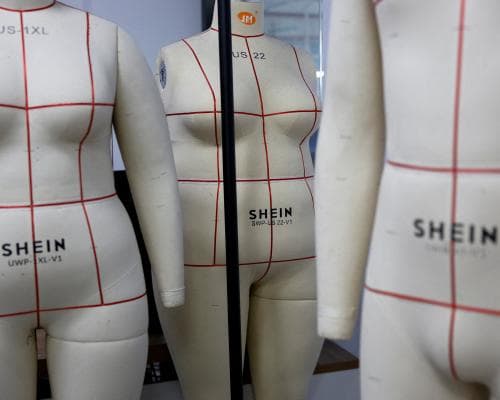
Imagine the scene: a glittering London Stock Exchange ceremony, champagne flutes raised, and a fast-fashion giant worth billions ringing the bell. That was nearly the reality as politicians from both major parties courted Shein, the Chinese-founded retailer, throughout 2024 and into last year. But next week, Shein will float in Hong Kong instead. And for London, that is not a missed opportunity—it is a bullet dodged.
Shein was never the tech adrenalin shot the City craved. It was a cast-off, rejected by New York amid Washington-Beijing tensions and hostile questions from US lawmakers over labour practices in its Chinese supply chains. London was merely the next-best option for a company whose owners seemed suspiciously anxious to find a Western stock market home. The Financial Conduct Authority's view that it was 'not unusual' for UK-listed companies to carry legal risks, so long as disclosure was adequate, was a telling sign of how desperate regulators had become.
The wooing was intense. Donald Tang, the banker hired as Shein's chair, did a round of feelgood meetings with UK officials. The Labour government sounded keen, seeing Shein as a way to advertise the UK's openness to international capital. But the charm offensive collapsed in January last year when Shein's general counsel in Europe appeared before the Commons business select committee and stone-walled. Asked whether the company sourced cotton from China, the representative claimed they were not qualified to reveal such 'detailed operational information'. The committee chair, Liam Byrne, hadn't even raised the more serious allegations about forced labour in the cotton supply chain.
This is the real story: Shein's business model is built on opacity. Its supply chain, largely hidden in China's garment factories, has been the subject of repeated investigations and lawsuits. A London listing would have forced UK investors to confront these risks directly, but it would also have given Shein a veneer of legitimacy. The FCA's stance—that disclosure is enough—ignores the practical reality that investors rarely dig deep into such murky waters before buying shares. The City's eagerness to host Shein was a reputational gamble with little upside.
The Hong Kong listing, expected to raise billions, will be a test of investor appetite for a company with such governance baggage. But for London, the real lesson is broader: the global race for tech listings is intensifying, and the UK cannot win by lowering standards. Instead, it must focus on what it does best—offering transparent, well-regulated markets for companies that actually want to be there. The recent success of ARM's dual listing in New York and London shows that quality beats quantity.
What does this signal for the sector? The era of 'growth at any cost' is over. Investors are increasingly demanding clarity on ESG issues, from labour practices to environmental impact. Shein's near-miss in London is a wake-up call for exchanges worldwide: the next wave of tech unicorns will face tougher scrutiny, and those that can't answer basic questions will find fewer doors open. The future belongs to companies that can articulate their value proposition without hiding behind legal jargon.
As Shein prepares to ring the Hong Kong bell, London can breathe a sigh of relief. The City's reputation is intact, and it can now focus on attracting the kind of innovative, transparent companies that will define the next decade. The lesson is simple: sometimes the best deal is the one you don't make.