LIM Advisors' George Long Marks 30 Years in Hong Kong With a Trader's Calm
George Long, founder of Hong Kong's LIM Advisors, reflects on 30 years of independent investing in Asia's toughest markets.

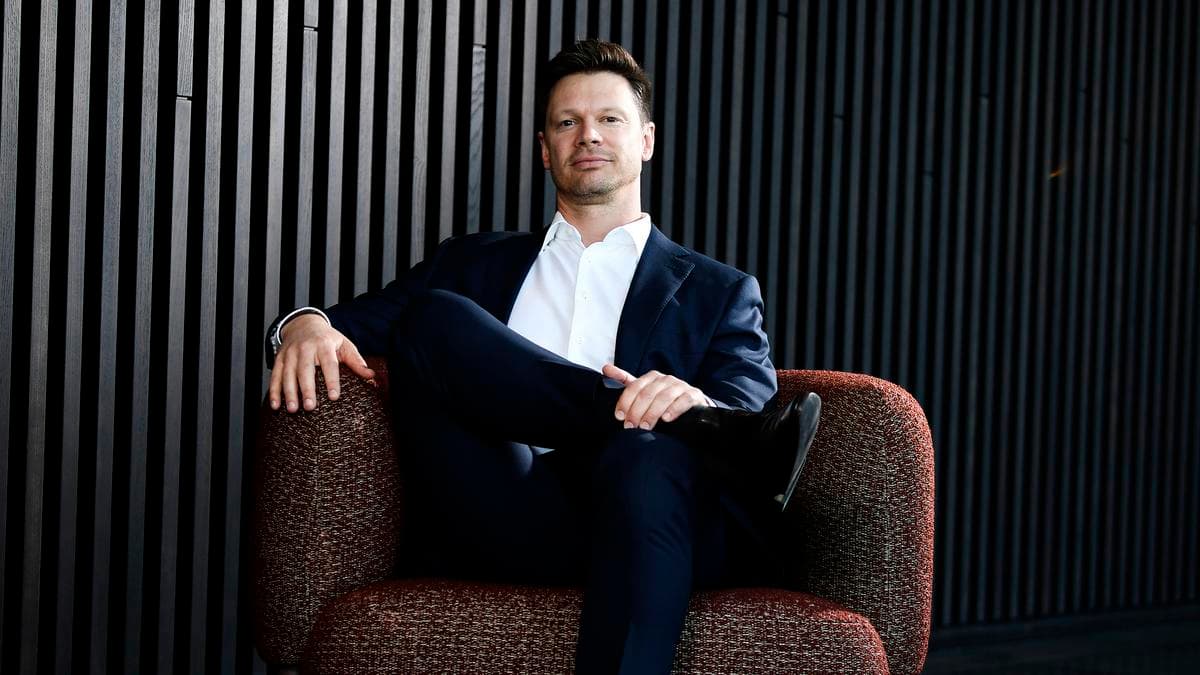
George Long does not sound like a man in a hurry. Thirty years after setting up shop in Hong Kong, the founder, chairman and chief investment officer of LIM Advisors still talks like someone who has watched more than one cycle turn ugly — and who would rather protect capital than sell a story. For anyone tracking where Asia's private wealth is anchored, that temperament is the point. In a region where fund managers often flame out within a decade, a three-decade run as an independent firm is itself a statement.
The facts are straightforward. Long left Barclays' Asia Pacific asset management arm to strike out on his own, building LIM Advisors into an independent Hong Kong investment firm. He is founder, chairman and chief investment officer. The outfit has now been operating for three decades. Long's public posture is understated and unshowy — no grand vision pitch, no headline-grabbing calls. What he emphasises instead is a pragmatic approach suited to difficult Asian markets and a focus on protecting capital when conditions turn.
To understand why this matters, you need the local context. Hong Kong's asset management industry is dominated by bank-owned platforms, global fund houses and, increasingly, mainland Chinese institutions. Independent boutiques that survive 30 years are rare. They face compressed fees, rising compliance costs and the constant pull of capital toward larger brand names. LIM's longevity suggests a business model built on client trust and risk control rather than asset gathering. Long's background at Barclays gives him institutional pedigree, but his firm's independence is the harder-won asset — it means no parent bank to fall back on and no quarterly pressure from a distant headquarters.
The timing of his reflection is also telling. Asia's wealth landscape is shifting. Hong Kong remains a gateway for global capital into China and for Chinese capital going out, but the city's role is being tested by geopolitical friction, competition from Singapore and a slower mainland growth engine. Family offices are multiplying, yet many are cautious. In that environment, a manager who talks about protecting capital rather than chasing returns speaks directly to the concerns of Asia's wealthy families and institutions. They have lived through the 1997 Asian financial crisis, the 2008 global crash and China's recent property downturn. They know that survival is a strategy.
Long's understated style also fits a broader mood in Asian private wealth. After years of hype around tech unicorns and fast money, allocators are rediscovering the value of steady, independent managers who can navigate fragmented markets. Asia is not one market; it is dozens, each with its own rules, liquidity and political quirks. A firm that has operated through three decades of those quirks has a kind of map that cannot be bought. That does not guarantee future performance, but it explains why Long can say the firm is going to be around — and why clients might believe him.
For the international reader, the takeaway is not a valuation or a deal size. It is a signal about where durable wealth management in Asia is built: slowly, in Hong Kong, by people who treat capital preservation as a discipline rather than a slogan. As the region's rich families plan their next decade, they will need more of that. Long's three-decade run is a reminder that in Asian markets, the quiet survivors often outlast the loudest voices.