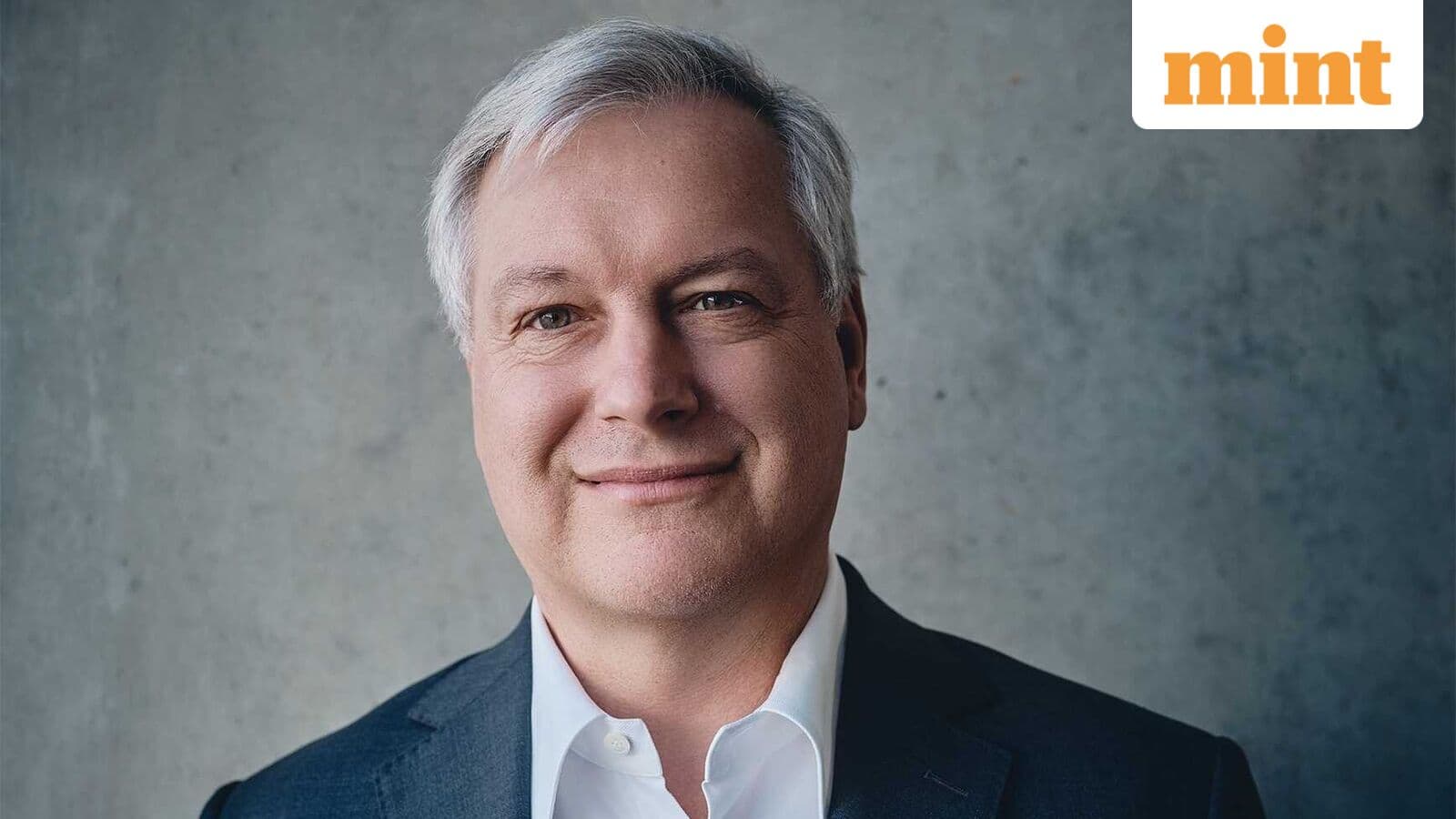
Jeremy Cookson's AskPro bets on expertise as the new currency of giving
AskPro founder Jeremy Cookson is turning professional know-how into a philanthropic asset, testing whether expertise can rival cash in Western Australia's giving economy.
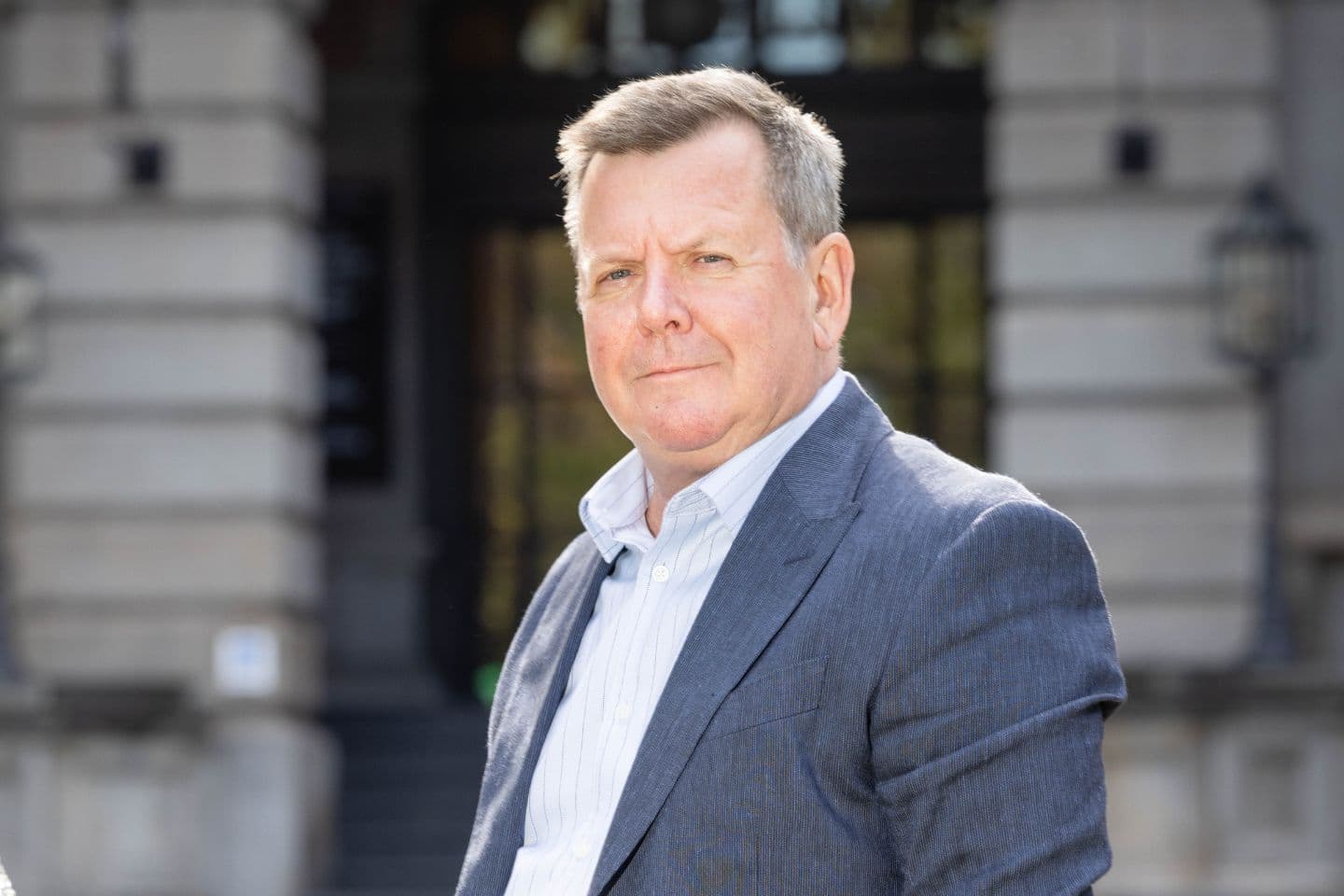
In a corner of the world where fortunes are still made from iron ore and lithium, the most interesting bet in philanthropy right now isn't a mining magnate writing a nine-figure cheque. It's Jeremy Cookson, founder of AskPro, wagering that what sits between a person's ears can be worth more to a charity than what sits in their bank account. His proposition is quietly radical for Western Australia: treat professional expertise not as a billable hour but as a gift.
Cookson's AskPro is built on a simple but stubborn idea — that the lawyers, accountants, engineers and marketing specialists who power Perth's economy can become a structured, scalable form of giving. Instead of donating cash, professionals donate their competence. The platform matches their skills with non-profits that would otherwise struggle to afford that calibre of advice. It is not a new concept globally, but in a state where philanthropy has traditionally meant capital grants and building names on hospital wings, it represents a genuine shift in how generosity is defined.
To understand why this matters, you have to understand Western Australia's peculiar wealth ecosystem. This is a state of roughly 2.8 million people that punches absurdly above its weight, driven by resources giants like BHP, Rio Tinto and Fortescue. The money is real, but it is also cyclical — boom follows bust follows boom. Perth's business class is tight-knit, and its charitable instincts have long been tied to the mining cycle. When times are good, the big cheques flow; when the iron price dips, they dry up. Cookson's model offers something counter-cyclical: even in a downturn, professionals still have their knowledge, their networks and their judgment. That is a form of capital that does not crater with the commodities market.
There is also a demographic story here. The generation now running WA's mid-tier companies and family offices came of age in the 2000s mining boom, but they did not inherit the old guard's instinct for quiet, cheque-book charity. They are more likely to want to roll up their sleeves, to see their giving have measurable impact, to treat social problems like business problems. AskPro plugs directly into that mindset. It turns philanthropy from a passive transfer of money into an active deployment of human capital — and in a state where the talent pool is shallow but deep, that has real resonance.
The broader signal for anyone tracking capital in Oceania is this: the region's wealth is maturing beyond extraction. For decades, the story of WA money was about who owned the ground. The new story is about who owns the knowledge. As the state tries to diversify beyond mining — into clean energy, health tech and advanced manufacturing — the value of professional expertise is only rising. Cookson is essentially arguing that this expertise should be treated as a community asset, not just a private one. If he is right, the model could spread well beyond Perth, to Brisbane, Auckland or anywhere else where a wealthy but thinly populated business class needs to make its giving go further.
None of this is to suggest that cash donations are obsolete — no one in Perth is pretending that advice alone can fund a new wing at a hospital or a scholarship program. But what AskPro represents is a recalibration. It acknowledges that in a knowledge economy, time and judgment are among the scarcest resources a successful person possesses. Giving those away is not a poor substitute for money; for many professionals, it is the more demanding gift.
Whether Cookson's experiment scales into something that reshapes WA philanthropy remains to be seen. The state's charitable sector is still learning to absorb in-kind expertise as readily as it does dollars. But the very existence of AskPro signals that the next generation of Oceania wealth is thinking less about how much to give and more about how to give. In a region built on hard assets, that is a soft revolution worth watching.