IsoEnergy spins US mines into DISA Uranium as nuclear fuel race heats up
Canadian uranium developer IsoEnergy spins its Utah assets into new US venture DISA Uranium, backed by US$105m placement.
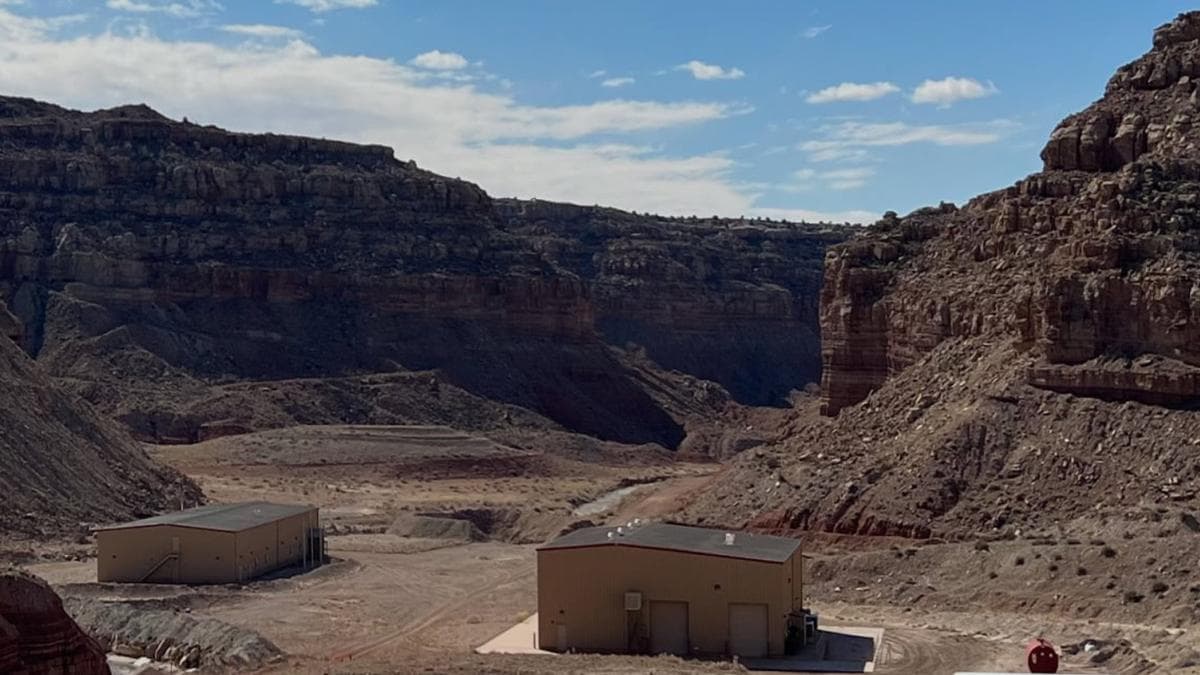
For anyone tracking where the next generation of nuclear fuel is going to come from, the map just got a lot more interesting. IsoEnergy, a Canadian uranium developer with a growing footprint in Australia, has quietly executed a move that tells you everything about how Western capital is now being deployed in the atomic age: it has taken its American hard assets, paired them with a proprietary extraction technology, and spun the whole thing into a new company called DISA Uranium. The deal is not just a corporate reshuffle — it is a signal about where the world's richest nations think their energy security actually lies.
The transaction, completed this week, sees IsoEnergy contribute its portfolio of permitted, past-producing conventional uranium mines in Utah — including the Tony M, Daneros and Rim mines, plus the Sage Plain and Flatiron projects — to DISA Uranium in exchange for 1.677 million shares. The new entity combines those assets with DISA Technologies' HPSA recovery technology and its remediation business. Crucially, DISA Uranium has also locked in a hefty US$105 million private placement, backed by a suite of industry heavyweights including Tembo Capital, BHP Ventures, Halliburton Labs and Galvanize Climate Solutions. IsoEnergy itself tipped in US$33 million, emerging as the largest shareholder with a 33 per cent stake.
For outsiders, the names Tony M or Daneros mean little. But in the uranium world, these are known quantities — permitted, past-producing conventional mines in Utah, sitting idle on care and maintenance. That is precisely the point. DISA Uranium plans to deploy its HPSA technology to recover uranium from abandoned mine waste, bring conventional US production back online, and develop domestic processing capacity for the hungry American nuclear power complex. The Tony M mine is expected to be a near-term priority. This is not speculative exploration; it is about reactivating known resources with new technology, which is a very different risk profile.
What makes this deal resonate well beyond Utah is how it fits into IsoEnergy's broader strategy. The company recently completed its acquisition of Toro Energy, a A$75 million deal that brought the massive Wiluna uranium project in Western Australia into its portfolio — adding more than 112 million pounds of uranium resources, including 78.1 million pounds in the higher-confidence measured and indicated categories. That Australian foothold, combined with the Larocque East project in Canada's Athabasca Basin — home to the Hurricane deposit, one of the world's highest-grade indicated uranium resources at 34.5 per cent — gives IsoEnergy a genuinely multi-jurisdictional platform. Canada, Australia, and now the United States: three stable, Western jurisdictions, each with different regulatory and geopolitical strengths.
For the Oceania reader, the Australian connection is the part that matters most. Uranium has long been a politically sensitive commodity in Australia, with state-level moratoria and a federal policy landscape that has shifted with each election cycle. Yet the underlying geology is world-class, and the Wiluna project represents one of the largest undeveloped uranium deposits in the country. IsoEnergy's willingness to invest there, even as it builds out a US production arm, suggests a conviction that Australian uranium will eventually find its way to market — likely through export to allies who are desperate for reliable fuel. The Toro acquisition was a bet on that future; the DISA spin-out is a bet on the present.
The broader signal is unmistakable. Western nations, having spent decades allowing their domestic nuclear fuel supply chains to atrophy, are now scrambling to rebuild them. Russia's dominance of enrichment services and China's aggressive uranium buying have turned nuclear fuel into a strategic asset, not just a commodity. That is why BHP Ventures and Halliburton Labs — names more associated with mining services and oilfield technology than nuclear power — are backing a uranium venture built around waste recovery. The calculus is simple: if you can extract uranium from abandoned mine tailings, you don't need to open a new mine, and you don't need to wait a decade for permitting. That is a compelling proposition in a world where speed matters.
IsoEnergy's chief executive Philip Williams framed the deal as unlocking value while retaining meaningful exposure to a differentiated US platform. That is corporate speak, but the substance is real. The company has effectively monetised its Utah assets without selling them, kept a controlling stake in the new venture, and gained access to a technology that could lower the cost curve for future production. Whether DISA Uranium delivers on its promises will depend on execution — and on whether the US government follows through on its stated commitment to domestic nuclear fuel. But for now, the structure is in place: a Canadian company with Australian assets and American production ambitions, positioned at the centre of the Western nuclear supply chain. For anyone watching capital flows in Oceania, that is a trend worth following closely.