Ikoyi land hits N6m per square metre — and Oak Holdings' CEO says the maths doesn't add up
Oak Holdings CEO Olukayode Olusanya questions Ikoyi land prices tripling to N6m per sqm, as Lagos ranks Africa's second-priciest prime market.
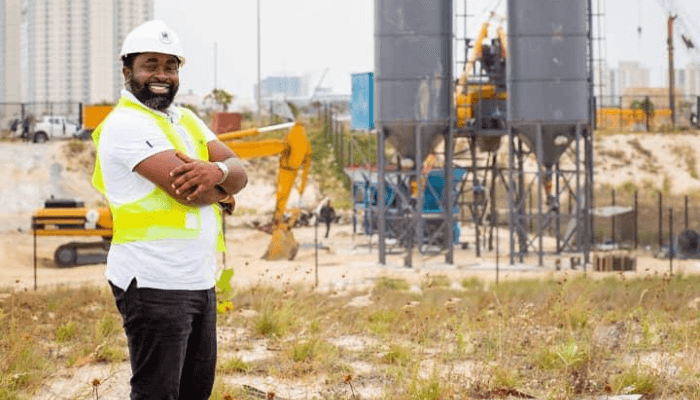
In Ikoyi, the tree-lined enclave on Lagos Island where Nigeria's old money and new oil fortunes collide, a single square metre of dirt now trades at roughly N6 million. Three or four years ago, the same metre went for between N1.8 million and N2 million. That is not a market correction in the making. That is a market that has tripled while nobody was looking — and one of the men who builds on that land says he cannot explain why.
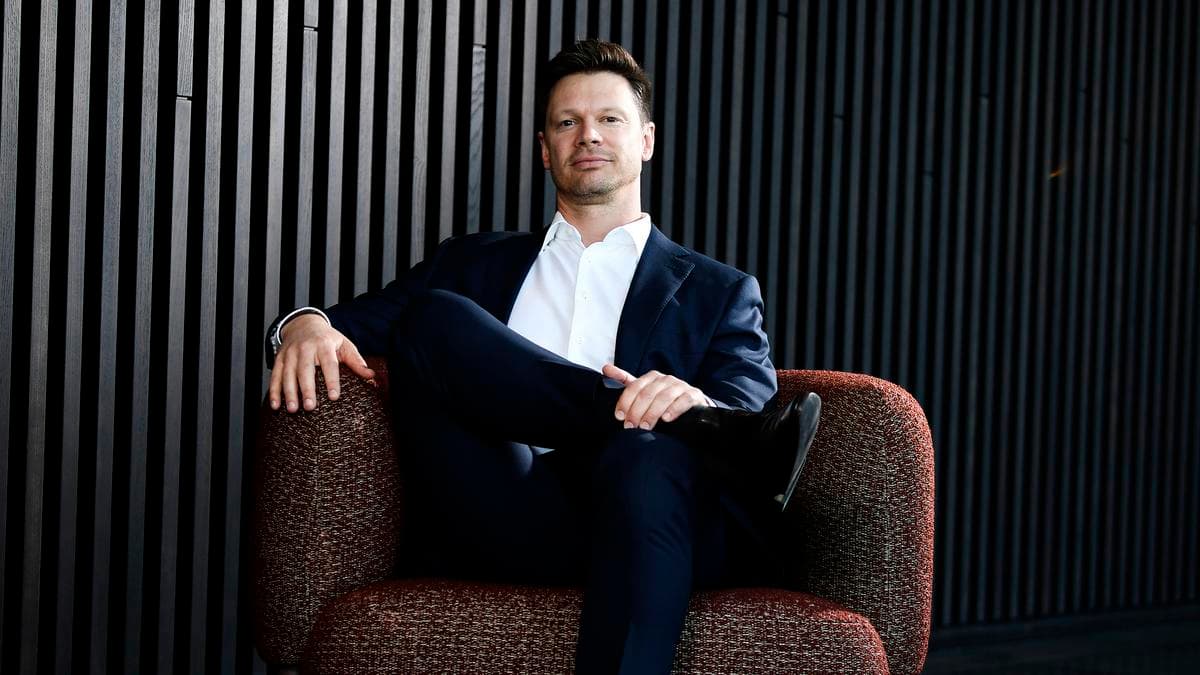
Olukayode Olusanya, founder and CEO of Oak Holdings, put the numbers on the table during the latest episode of Drinks & Mics, a Nigerian property and lifestyle conversation series, under the deliberately provocative theme "Cars, Homes & Wahala: Why Is the Nigerian Dream So Expensive?" His argument is uncomfortable for an industry that likes to dress itself in the language of fundamentals: prime Lagos land does not reprice because of any measurable shift in demand, income or infrastructure. It reprices because one owner in Banana Island — the artificial island of gated mansions across the water from Ikoyi — decides their plot is worth more, lists it at that price, and waits. When a buyer eventually agrees, that private transaction becomes the new public benchmark. Other sellers adjust upward. The cycle repeats. Olusanya calls it a process with no clear science behind it.
Sanni Faruq, lead consultant at Senior Homes and Properties, pushed back on the same panel. For him, the willing buyer meeting the willing seller is the market at work, and the broader Lagos story is simply demand running ahead of scarce supply. Both men are describing the same city from different seats. Lagos is a megacity of more than 20 million people with a coastline, a lagoon and a planning regime that has never kept pace. The land that comes with proper titles, drainage and road access is a tiny fraction of the map. When you constrain supply that hard in a city where the wealthy need somewhere to park naira-denominated fortunes, prices detach from wages and attach to capital instead.
That detachment is now continental in scale. Estate Intel ranks Lagos as Africa's second-most expensive market for prime residential land: US$1 million buys roughly 507 square metres here, against about 4,537 square metres in Johannesburg, the most affordable of the 11 cities surveyed. Average prime land prices in Lagos exceed US$1,900 per square metre. Developers of luxury towers are competing for a shrinking pool of prime sites, and strong sales and margins keep pushing them back into the land market. For anyone tracking where African wealth is stored, this is the tell: in Nigeria, prime dirt has become a reserve asset, a hedge against currency slide and a store of value that behaves less like housing and more like art.
What the price tag does not buy is the thing outsiders assume it does. The State of Lagos Housing Market Report 2025, Vol. 3, examined Ikoyi, Banana Island, Victoria Island and Lekki Phase 1 — the same postcodes where land clears N6 million per square metre — and found residents still fighting unreliable water, frequent outages, poor drainage and patchy waste collection. Many households run private boreholes, water tankers and diesel generators to fill the gaps. The report's phrase for this is a "premium for dysfunction": buyers pay world-class prices, then pay again to replace services the state never delivered. That is the part of the Lagos story that rarely makes it into an investment brochure, and it is the part that should worry anyone treating Nigerian prime property as a pure wealth play. If the benchmark can be set by one seller's ambition on the upside, it can be reset just as casually when the buyers stop answering.