Hong Kong's HKSTP CEO Says Family Offices Are Driving a New Tech Push
HKSTP's Terry Wong says Hong Kong family offices and traditional firms are fueling tech investment as the city aims to breed more unicorns.

Hong Kong's next generation of family business heirs are not waiting for the property market to come back. They are writing cheques into artificial intelligence, biotech and hardware startups — and the city's government-backed innovation engine says it can feel the shift.
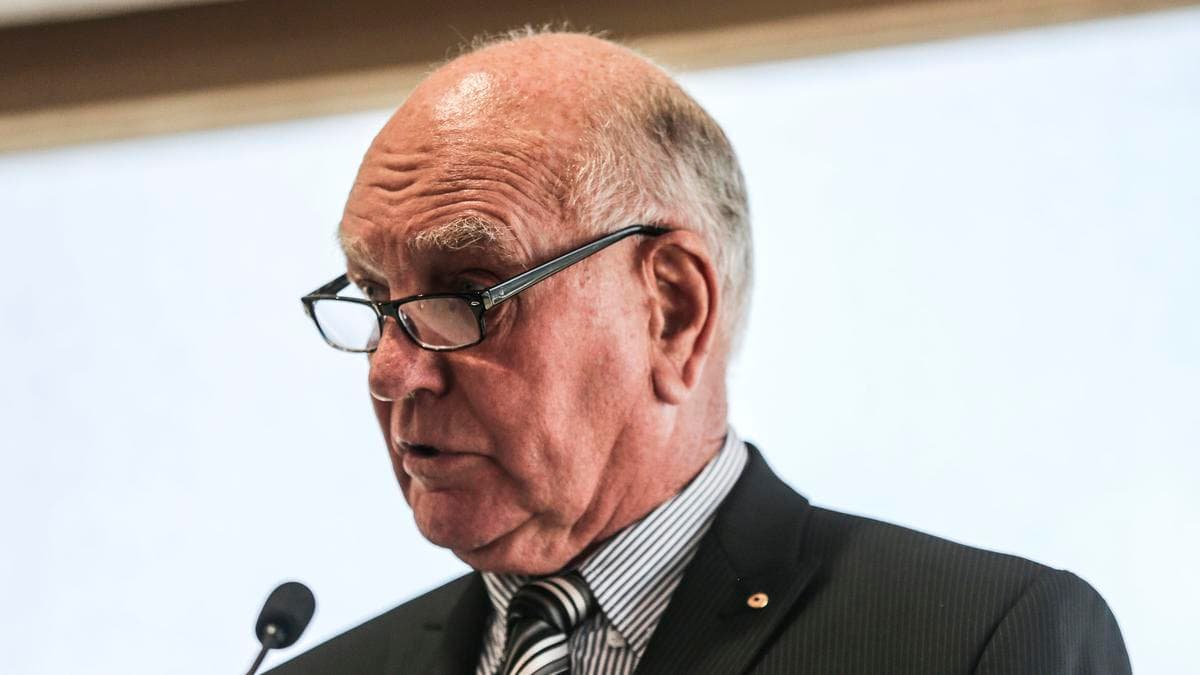
Terry Wong Ping-sau, chief executive of the Hong Kong Science and Technology Parks Corporation (HKSTP), told the South China Morning Post that investors' appetite for the local tech scene has changed markedly from a decade ago. The state-funded innovation and technology hub, which incubates startups and houses them in purpose-built campuses, is now fielding unsolicited interest from traditional enterprises and family offices — the private investment vehicles of Hong Kong's old-money dynasties. Wong described their enthusiasm as "huge," and said many reach out to HKSTP directly for insights on innovation and technology developments and introductions to investment opportunities. The corporation is expanding financial support to attract more startups and nurture unicorns, the industry term for private companies valued at US$1 billion or more.
To understand why this matters, you need to know what HKSTP is. It is not a venture fund or a private accelerator. It is a statutory body — effectively an arm of government policy — that runs science parks, incubators and subsidy programmes with the explicit mission of turning Hong Kong into a technology economy. For two decades its tenants were mostly small engineering outfits and university spin-offs. Now it sits at the intersection of three forces: Beijing's push to make the Greater Bay Area a global innovation cluster, Hong Kong's own need to diversify beyond finance and real estate, and a generational handover inside the city's wealthiest families.
That handover is the quiet engine here. Hong Kong's family offices — the private structures that manage the fortunes of tycoon families in property, shipping, retail and manufacturing — have traditionally held cash, blue-chip equities and bricks. The heirs now taking control studied computer science abroad, watched Silicon Valley and Shenzhen up close, and want exposure to technology. Wong's point is that this capital is not passive. It is actively hunting deal flow, and it is finding HKSTP as a matchmaker. That is a different dynamic from a decade ago, when local tech founders complained that Hong Kong money only understood property and stocks.
The timing is not accidental. Hong Kong's fundraising markets have revived, giving the city fresh credibility as a place where tech capital can be raised and recycled. A startup ecosystem needs exits — IPOs, acquisitions, secondary sales — to convince investors to keep writing cheques. When listings recover, the whole chain loosens up: venture funds raise new vehicles, family offices allocate more to alternatives, and founders see a path to liquidity. HKSTP's expanded support is designed to capture that momentum while it lasts, funnelling more startups into a pipeline that can eventually produce the unicorns Wong talks about.
For international readers tracking Asian capital, the signal is straightforward. Hong Kong is not trying to out-Shenzhen Shenzhen or out-Singapore Singapore on sheer scale. It is trying to leverage what it still has — deep pools of private family wealth, a world-class financial infrastructure, and a legal system global investors trust — to become the place where Asian tech ambition meets Asian old money. Whether that produces a genuine unicorn factory or simply a well-funded incubator network depends on execution. Wong's bet is that the next generation of Hong Kong's wealthiest families will be the ones to decide.