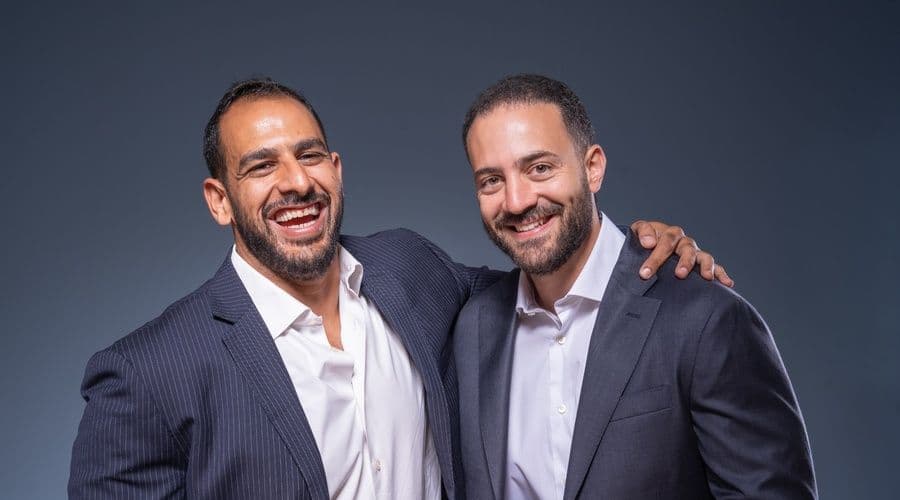
Hang Lung's Weber Lo Bets Hong Kong Malls Can Win Back Shoppers With New Stores and Events
Hang Lung CEO Weber Lo says Hong Kong mall leasing is steadily improving, with new stores opening through the fourth quarter as operators counter cross-border shopping.

Hong Kong's shopping malls have spent the past few years watching their customers walk north. Every weekend, thousands of residents cross into Shenzhen, where a meal, a manicure and a hotel night can cost less than a single lunch in Central. The city's landlords have had to answer a question they never faced before: what do you sell when the same goods are cheaper ninety minutes away? On Monday, one of the sector's most senior executives offered his answer.
Weber Lo Wai-pak, chief executive of Hang Lung Properties, said the leasing picture across the company's Hong Kong malls is "steadily improving," with new stores set to "open one after another" in the fourth quarter and beyond. The portfolio notched growth in July, and Lo expects the final quarter to be "even better" given the pipeline of incoming tenants. He was speaking on the sidelines of an event, and gave no specific revenue or occupancy figures. His remedy is deliberately old-fashioned: get the fundamentals right, give the public something new to buy, and stage events compelling enough that foot traffic stays put rather than drifting across the border.
For readers who don't track Hong Kong retail, Hang Lung is not a household name abroad, but it is one of the city's established property developers, with a mall portfolio that includes some of its best-known shopping addresses. The company is closely associated with the Chan family, one of Hong Kong's old-guard business dynasties, and it has spent years balancing a Hong Kong business against a much larger mainland Chinese one. That dual exposure makes Lo's comments more than a local retail note. Hang Lung's malls sit at the intersection of two forces shaping Asian consumption: the sluggish recovery of Hong Kong's domestic spending, and the rise of mainland cities as shopping destinations in their own right.
The cross-border habit is the part outsiders often miss. Since the border reopened, Hong Kongers have flocked to Shenzhen and other mainland cities for cheaper dining, entertainment and services, a reversal of the pre-pandemic flow when mainland tourists filled Hong Kong's luxury stores. That shift has gutted foot traffic in districts that once depended on visitors, and it has forced landlords to rethink their tenant mix. Lo's emphasis on events and fresh product is a recognition that a mall cannot compete on price with a border-crossing day trip. It has to compete on experience, convenience and novelty.
The signal for Asian capital is subtler than a single executive's optimism. Hong Kong's retail landlords are, in effect, testing whether the city's consumption model can be rebuilt around residents rather than tourists. If it works, it validates a broader thesis: that Hong Kong property assets remain worth holding through the cycle, and that the city's wealthy families and their listed vehicles can adapt rather than merely wait for mainland visitors to return in force. If it doesn't, the pressure on rents and valuations will continue, and capital will keep looking for yield elsewhere in the region.
Lo's timeline gives the market something concrete to watch. The fourth quarter will show whether new openings translate into real sales, or whether the novelty fades as soon as the next cheap flight or high-speed train leaves. For a city whose malls were built for a different era of shoppers, the answer matters well beyond Hong Kong's borders.