GoldBod Gets a Central Banker: Asante-Asiedu to Represent Governor Asiama on Ghana's Gold Board
Bank of Ghana's Matilda Asante-Asiedu joins GoldBod board as Governor Asiama's representative, cementing the central bank's role in Ghana's gold strategy.
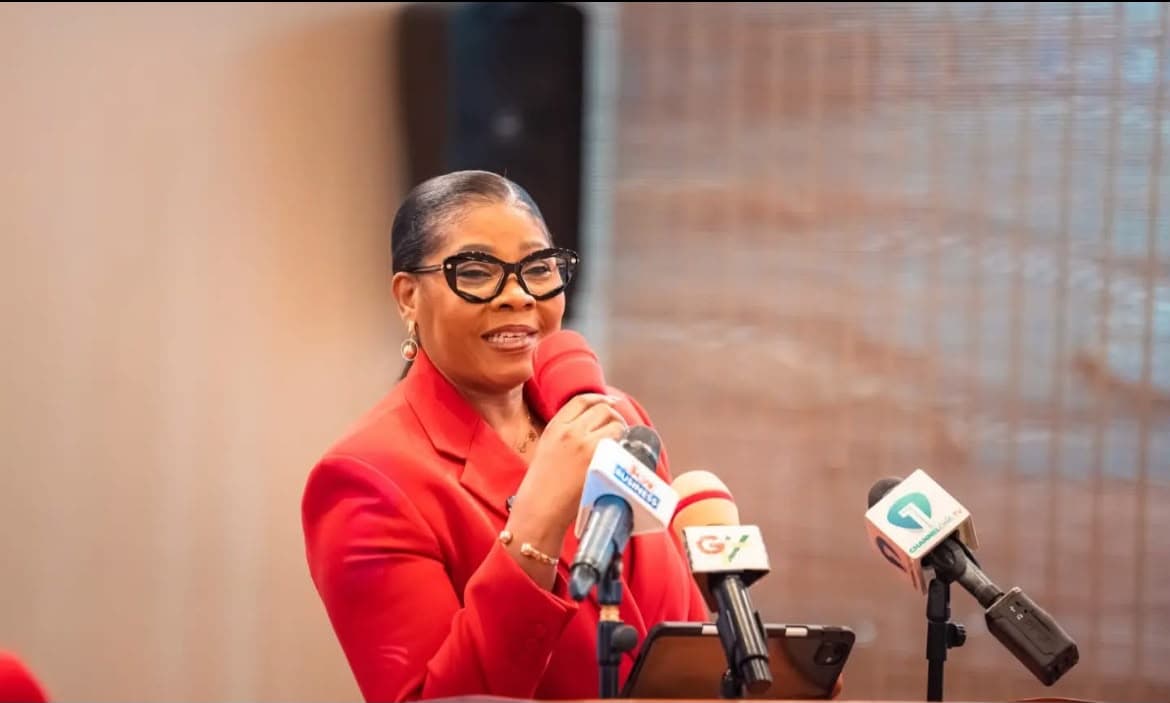
When a central bank governor stops sitting on a board but keeps a deputy in the chair, that is not a resignation. It is a signal. In Accra, Bank of Ghana Governor Dr Johnson Pandit Asiama has handed his GoldBod board seat to Second Deputy Governor Matilda Asante-Asiedu, effective May 11, 2026, according to a letter cited by Citi Newsroom. For anyone tracking where African states are putting their financial firepower, this small governance move deserves a closer look.
The mechanics are straightforward. Asiama ceased to serve as a member of the Ghana Gold Board, known as GoldBod, from May 11, 2026. But he did not walk away from the table. He formally nominated Asante-Asiedu to represent him, authorising her to attend board meetings, join deliberations and exercise the rights and responsibilities attached to his membership. She now represents the Bank of Ghana on the GoldBod board. The Governor's representation continues; only the face in the room has changed.
To understand why this matters, you need to know what GoldBod has become. Ghana is one of Africa's largest gold producers, and for decades the country's gold trade ran through a fragmented mix of licensed buyers, foreign exporters and the central bank. GoldBod was created to centralise that. Its mandate has expanded fast. In May 2026, authorities pushed large-scale mining companies to sell 30 per cent of their output to the central bank to bolster foreign-exchange reserves. By July, that purchasing role shifted directly to GoldBod. Then, from September 1, Ghana banned exports of unrefined artisanal gold, giving GoldBod exclusive authority to buy, sell, weigh, grade, assay, value and export gold and other precious minerals. In a single year, a coordinating body became the gatekeeper of a national resource.
The timing is not accidental. Ghana's gross international reserves fell by $1.9 billion between June and August 2026, landing at $11.07 billion, even as gold export earnings stayed strong. That gap tells the story: gold is flowing, but the foreign exchange is not sticking. GoldBod is Accra's answer, an attempt to capture more of the value chain, from the pit to the refinery to the export ledger, and convert it into reserves. The Bank of Ghana's continued board-level presence, now through Asante-Asiedu, keeps monetary policy and gold policy in the same conversation.
For international investors, the signal is about control and continuity. Ghana is not nationalising its gold sector, but it is tightening the plumbing around it. Large miners still operate, but they now sell a fixed share into a state channel. Artisanal exporters lose the option of shipping raw ore abroad. GoldBod sits at the centre of pricing, assaying and export paperwork. Having a deputy governor on its board means the central bank can shape those decisions without the Governor personally attending every meeting. It is a governance workaround that preserves influence while delegating the hours.
The appointment also says something about how African states are learning to manage strategic commodities. Rather than creating a new ministry or a standalone regulator with no monetary link, Ghana has wired GoldBod into the central bank's orbit. That gives the institution credibility with international buyers and lenders, who want to know that gold flows are documented and that foreign-exchange proceeds are accounted for. It also gives the Bank of Ghana a direct line into the country's most important export earner at a moment when reserves are under pressure.
Asante-Asiedu's role will be watched closely. She is not a placeholder. Her mandate covers the full rights and responsibilities of the Governor's membership, meaning she can vote, question and shape strategy. If GoldBod succeeds in converting Ghana's gold output into stronger reserves, the model will be studied from Abuja to Harare. If it stumbles, the central bank's fingerprints will be on the board minutes. Either way, the quiet handover in Accra is worth more than a footnote. It is a tell.