GNP Seguros bets $8M on Meddi to turn Mexican health insurance into a prevention machine
Mexico's GNP Seguros invests $8M in healthtech Meddi to shift from paying claims to preventing disease, reshaping insurance and corporate wellness.
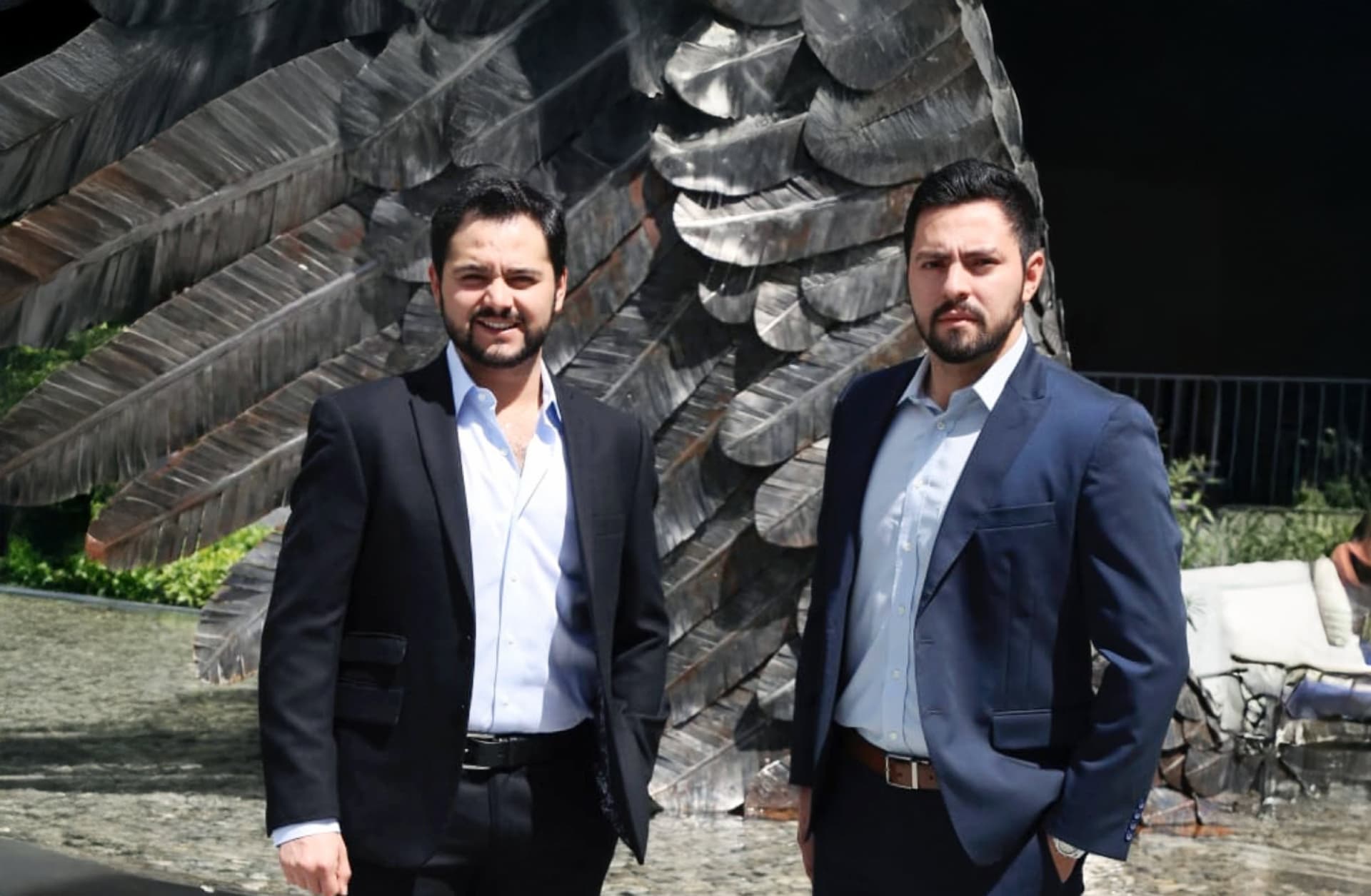
For decades, Latin America's biggest insurers made money the old-fashioned way: pricing risk, collecting premiums, and paying out when policyholders got sick. But in Guadalajara, a startup called Meddi has spent the last eight years trying to flip that model on its head — and now one of Mexico's most established financial names has put real money behind the idea. GNP Seguros, a 120-year-old insurance giant, has acquired a stake in Meddi for US$8 million, a bet that the future of healthcare in the region lies not in treating illness, but in stopping it before it starts.
The deal, announced this week, gives GNP a direct line into Meddi's digital ecosystem, which connects companies, insurers, and everyday users so they can track their health habits, spot risks early, and act before a minor issue becomes a chronic condition. Meddi, founded in 2017 by Pablo Emmanuel Aguirre Zavala and Roberto Riestra Ruiz, already works with more than 58 hospitals, over 5,000 specialists, and 300 laboratories across the country. For GNP, which holds a 13.3% share of Mexico's overall insurance market and dominates the major medical expenses segment with over 24% of that business, this is not a side bet — it's a strategic pivot toward prevention as a core product.
For outsiders, the significance might be easy to miss. Mexico's private healthcare system is fragmented, expensive, and heavily reactive. Most people only see a doctor when something hurts, and insurers have historically profited from that ignorance. GNP's CEO, Jesús Martínez, framed the investment as a moral obligation: "Caring for the health of individuals and families is fundamental and a clear obligation of the insurance sector," he said in a statement. But make no mistake — this is also a business calculation. Chronic degenerative diseases like diabetes and hypertension are exploding across Mexico, driving up claim costs for every insurer. If GNP can use data and digital tools to keep its policyholders healthier, it lowers its own exposure while building deeper customer loyalty.
Meddi's co-founder and CEO, Pablo Aguirre, has long talked about making health management as effortless as opening an app. With GNP's capital and distribution muscle, plus the backing of Médica Móvil, a GNP-affiliated healthcare provider, Aguirre says the goal is to create a seamless ecosystem where prevention, care, and financial protection are truly connected. The startup had already raised seed funding from Mexican and international investors like CAPEM Mexico, ID345, Enlaces, Open Water Investment, and Unreasonable Mexico, but this injection from a sector heavyweight changes the game. It validates a model that could ripple far beyond Guadalajara's tech scene.
What does this tell us about where South American wealth is heading? For one, the region's old money — family-controlled insurers, banks, and conglomerates — is finally waking up to the value of healthtech. Instead of acquiring flashy consumer apps, they're investing in infrastructure that can reduce long-term costs and improve outcomes. GNP's move signals a shift from paying for sickness to paying for wellness, a transformation that could redefine how insurance works across Latin America, where public healthcare systems are often overwhelmed and private options remain a luxury for the middle and upper classes.
Looking ahead, the real test will be execution. Meddi's platform must prove it can change behavior, not just track it. GNP's commitment to integrate digital biomarkers and personalized health plans sounds promising, but the hard part is getting millions of policyholders to actually use them. If this partnership succeeds, it could set a template for insurers from Bogotá to São Paulo. If it fails, it will be another cautionary tale about tech hype meeting institutional inertia. Either way, the $8 million bet is a signal that Mexico's insurance titans are no longer content to sit on the sidelines of the digital health revolution — they're ready to own it.