From Steelbands to Sound Systems: How Notting Hill Carnival Became the Ultimate Expression of Cool
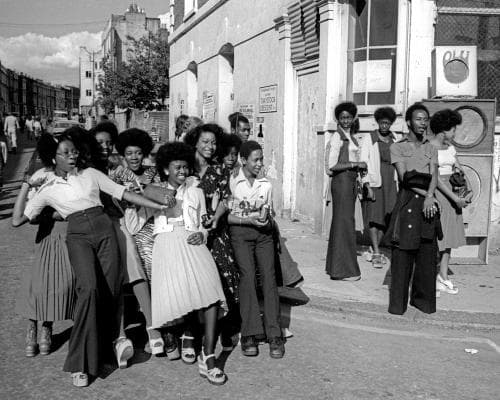
Imagine being ten years old, dragged through the grey streets of Ladbroke Grove, trailing behind a steelband that your parents swear is the heartbeat of home. You’d rather be on a bike, or kicking a football, or anything but this slow procession of “old people music.” That was the Notting Hill Carnival of the 1960s—a vital, vibrant transplant of Caribbean joy onto drab London pavements, but for a surly kid, it was just a long walk with no payoff. Fast forward sixty years, and that same irritation has become the world’s most coveted street party, a living, breathing asset that the ultra-wealthy now fly in for, rent penthouses for, and treat as the ultimate cultural currency. What changed? Everything. And nothing.
The metamorphosis began in the 1970s, when the sound systems arrived. Coxsone Outernational, Jah Shaka, 6X6, Sufferah HiFi—these weren’t just DJs; they were architects of a new London identity. They set up under the flyover, outside pubs, even in front of people’s front doors, and they played the music that defined a generation: reggae, lovers rock, soul, funk. Suddenly, carnival wasn’t about following a parade; it was about finding your spot, planting your feet, and letting the bass find you. The static sound systems meant you could stand with your hands in your pockets—a teenager’s default—and just absorb the vibe. If the music wasn’t right, or the crowd was thin, you floated to another system. It was a choose-your-own-adventure of sound, and it made carnival feel less like a heritage reenactment and more like a living, breathing playlist.
For the uninitiated, the logistics were a rite of passage. You’d meet at Turnpike Lane station, load up on “supplies” to avoid the carnival tax—those inflated prices at Notting Hill off-licences—and pre-mix your drinks in plastic bottles. Dark rum and Coke, vodka and orange, or the classic beer four-pack threaded through your belt like a gunslinger’s holster. It was gritty, resourceful, and deeply authentic. But here’s the thing: that authenticity is exactly what the luxury market has been chasing for decades. In a world of curated experiences and VIP passes, carnival remains gloriously unpolished, and that’s its power. The ultra-wealthy don’t come for the champagne; they come for the raw, unfiltered energy that money can’t buy—only rent a balcony for.
Today, Notting Hill Carnival is a global phenomenon, attracting over a million people each year. It’s no longer just a Caribbean celebration; it’s a statement of cultural capital. For the discerning collector, attending carnival is like owning a rare piece of art—it signals that you understand the cultural zeitgeist, that you’re not just wealthy but culturally literate. The sound systems have evolved into massive, custom-built rigs, but the soul remains the same: a DJ, a crowd, and a feeling of shared rebellion. This is why luxury brands are falling over themselves to associate with it, and why private jet charters and boutique hotel suites near Ladbroke Grove are booked out months in advance. Carnival has become the ultimate marker of taste—knowing where to stand, which sound to follow, and how to move with the crowd without losing your cool.
What does this evolution tell us about wealth and taste? It tells us that exclusivity is no longer about gilded gates; it’s about access to authentic moments. The rich don’t want a sanitized version of culture; they want the real thing, with all its grit and glory. Carnival offers that in spades. It’s a masterclass in how a community’s joy can become a global asset, and how the very thing that once irritated a ten-year-old is now the hottest ticket in the world. As the next generation takes over, expect to see even more high-end integration—think curated sound system experiences, private after-parties, and maybe even a luxury float or two. But the heart of carnival will always be the streets, and that’s exactly why it will never lose its edge.
So, as carnival celebrates its 60th year, the question isn’t whether you should go—it’s how you’ll do it. Will you be on the ground, feeling the bass in your chest, or watching from a rooftop with a glass of something rare? Either way, you’re part of a legacy that turned “old people music” into the world’s most stylish street party. And that, my friend, is the ultimate flex.
The Experience
Secure a private rooftop overlooking Ladbroke Grove for the next carnival, or book a bespoke sound-system tour with a cultural insider to experience the festival’s evolution in true style.