Fracttal's Spanish bet: a quiet Chilean tech firm buys 35 years of European industrial know-how
Chile's Fracttal buys Spain's TCMAN, absorbing a 35-year-old asset-management platform to deepen its European push in AI-driven maintenance.
For anyone tracking where South American capital is heading these days, the news out of Santiago this week is a small but telling signal. Fracttal, the Chilean software company that has quietly built a global business out of predictive maintenance, has acquired TCMAN, a Spanish firm behind the GIM platform. The price was not disclosed, and on the surface it looks like a routine consolidation play. But look closer, and this is a story about how Latin American tech firms are no longer just selling cheap labor or copycat apps — they are buying European legacy and folding it into their own AI-powered ecosystems.
Fracttal is not a household name outside maintenance circles, but in that niche it has become something of a regional champion. The company says it already operates in more than 60 countries and manages over 20 million assets for clients that need to keep machinery, buildings, and infrastructure running without costly breakdowns. With TCMAN, it absorbs a platform used by more than 250 organizations, including major Spanish players like Serveo, Acciona, Eiffage, Moncobra, Sanitas, and Quirón. That is not just a customer list — it is a door into the Spanish and broader European market, where infrastructure and healthcare companies are under constant pressure to modernize aging physical plants.
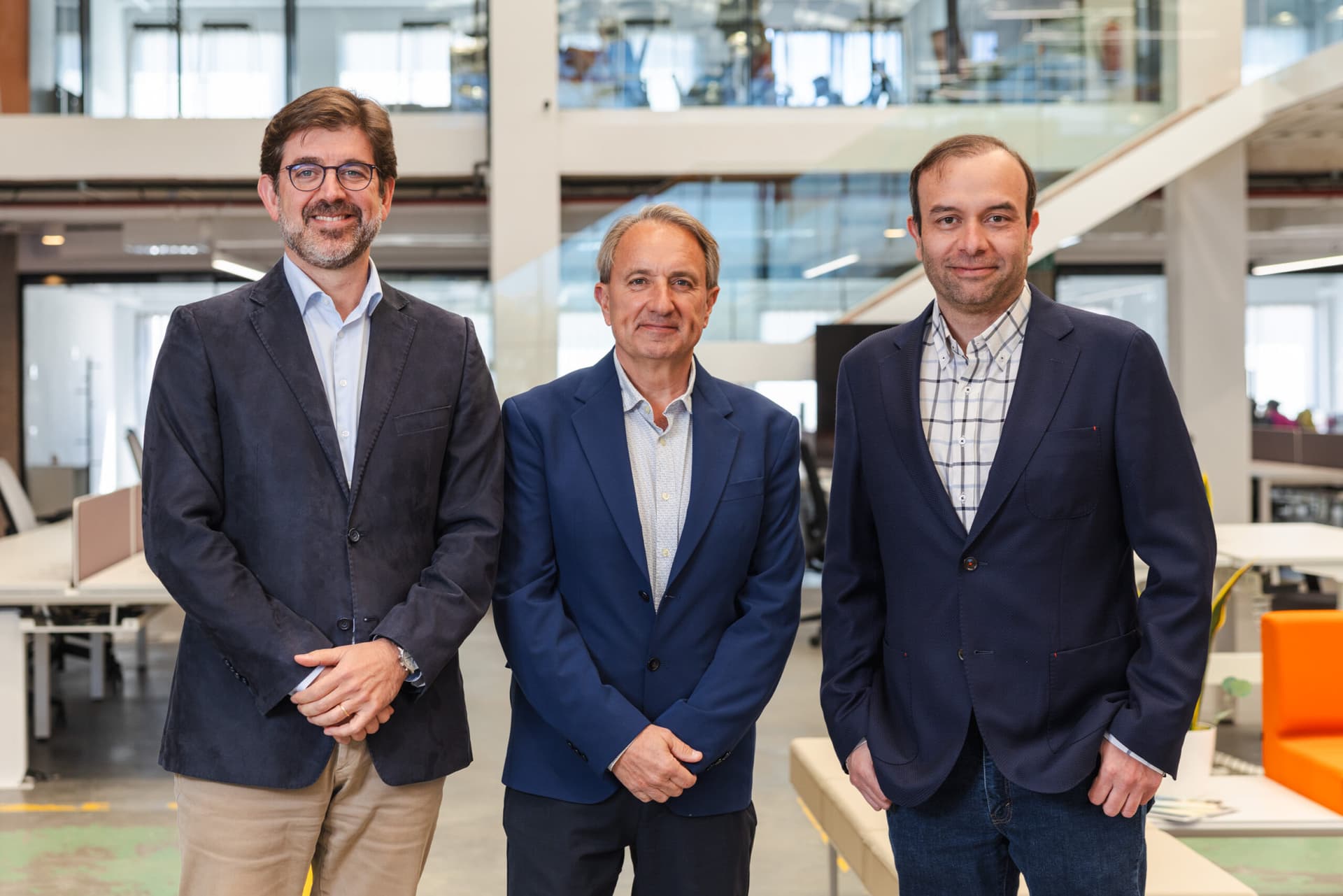
The acquisition also carries a generational handover. TCMAN was founded by Eloy Ortega more than three decades ago, and its GIM platform has been a workhorse for Spanish industry. For Fracttal's CEO and co-founder Christian Struve, this is about merging that deep, analog-era expertise with the machine-learning and IoT tools his company has been building. The two firms will integrate gradually, with new AI and analytics capabilities rolled into the Fracttal ecosystem over the coming months. Struve framed it as a shared conviction that maintenance is a strategic ally in a more sustainable and efficient world — corporate speak, yes, but it points to a real shift in how asset-heavy industries now view upkeep as a profit driver rather than a cost center.
What makes this deal resonate beyond the boardroom is the timing. Fracttal closed a $35 million funding round just months ago, and this acquisition is the first major deployment of that capital. For a Chilean startup to go shopping in Spain — not for talent or a quick exit, but for a 35-year-old institution — signals a maturation of the region's tech scene. South American founders have long looked to the United States or Israel for inspiration and exits. Now, some are turning to Europe as a place to acquire, integrate, and scale. It is a reversal of the old capital flow, and it suggests that Latin American software companies are confident enough to compete on their own terms.
That confidence is backed by a broader trend. Maintenance is becoming a strategic function in sectors like energy, healthcare, and industrial infrastructure, where a single unplanned shutdown can cost millions. Companies are realizing that extending the life of equipment through predictive analytics is cheaper than replacing it. Fracttal's bet is that its AI-driven approach, combined with TCMAN's track record in Spain, will let it offer something neither could deliver alone: a platform that speaks the language of European engineers while running on modern machine-learning models. The gradual integration will be the test — mergers of this kind often stumble on culture and product overlap, and the two firms have very different histories.
For Ortega, the deal closes a chapter. After three decades of building TCMAN, he is handing his creation to a foreign buyer that promises to expand its reach. For Fracttal, it opens a new front in Europe at a moment when the continent is scrambling to digitize its industrial base. And for anyone watching South American wealth and business, it is another sign that the region's most ambitious companies are no longer content to be followers. They are buying the playbook, and they plan to rewrite it.