FMDQ CEO Zeal Akaraiwe Explains Why Nigeria's Fintechs Can't Trade Forex Directly
FMDQ CEO Zeal Akaraiwe says fintechs can't trade Nigeria's FX market directly, citing dealer licences, exchange controls and stablecoin pressure.
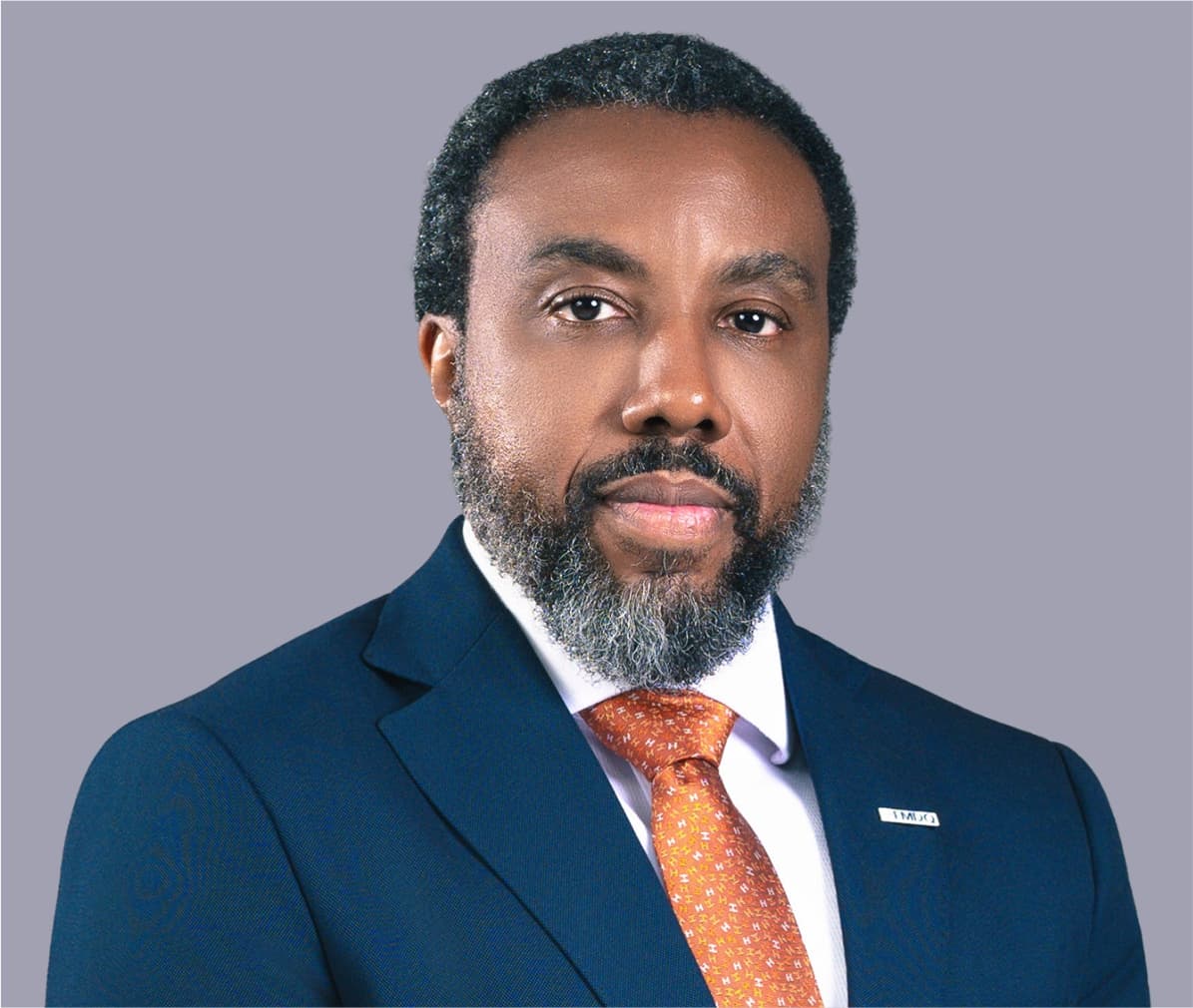
Nigeria's fintechs can move money across the world in seconds, yet they cannot buy a single dollar directly from the country's official foreign exchange market. That paradox, explained this week by the head of the exchange that prices Nigeria's naira, is the clearest window yet into how Africa's biggest fintech industry is being shaped by rules written for an older era of banking.
Zeal Akaraiwe, Managing Director and Chief Executive Officer of FMDQ Group, told an investor forum organised by the Central Bank of Nigeria in Singapore that fintechs cannot trade directly in the foreign exchange market because of regulatory restrictions, licensing requirements and the country's exchange control framework. Any participant wanting direct access must first be authorised as a dealer. Nigeria's exchange control rules require at least one counterparty in every foreign exchange transaction to be an authorised dealer, meaning a trade between two unauthorised parties falls within the definition of the black market. Direct participation also carries obligations beyond those attached to a payments licence: the CBN, as monetary policy authority, determines what proportion of a dealer's capital can be deployed to foreign exchange trading, and dealers must operate within prescribed limits on their net open positions, which measure exposure to foreign currencies. Participants must also obtain statutory documentation and use regulatory portals to verify its authenticity. Akaraiwe added that uncertainty over which regulator oversees fintechs in foreign exchange trading further complicates the prospect of granting them direct market access.
For outsiders, FMDQ matters more than its name suggests. The Lagos-based group runs the electronic platform where Nigeria's naira is priced, where bonds and other securities are listed, and where banks, pension funds and corporates manage their exposure to a currency that has swung violently over the past decade. It is one of the market infrastructure institutions that sit between the CBN and the private sector. Akaraiwe's audience in Singapore was equally telling: the CBN took its investor roadshow to Asia, a region that has become a significant source of portfolio capital into Nigerian debt and equities. His remarks were not a policy announcement but an explanation, from the man whose platform depends on participation, of why the door to direct trading stays shut.
The distinction he drew is important. Fintechs are not locked out of the market entirely. They can buy and sell foreign exchange through their banking partners, provided they comply with the applicable rules. What they cannot do is hold dealer status in their own right, which would let them quote prices, take positions and earn spreads directly. That arrangement preserves the banks' role as the market's gatekeepers and keeps fintechs in the position of distributors rather than principals. For a sector that has built some of Nigeria's most valuable private companies on payments, lending and remittances, it is a reminder that the licence stack is tiered, and the top tier is not for sale to everyone.
The bigger signal is about how African capital markets treat innovation. Nigeria's fintechs have grown by solving problems the banks left open, from instant transfers to agency banking. Foreign exchange is the next frontier, and it is guarded by exchange control laws designed to protect the naira and track capital flows. Akaraiwe argued that expanding participation would require a broader review of the regulatory framework and exchange control laws, and that no single institution could resolve it alone. He also pointed to the growing relevance of stablecoins, which let users hold dollar-like value outside the banking system, as a reason for policymakers to reconsider how existing rules apply to emerging financial services. That is the tension in one sentence: the rules that keep fintechs out of the official market are the same rules that push users toward alternatives regulators cannot see.
There is a constructive thread here. Akaraiwe credited the CBN with improving credibility and predictability in Nigeria's financial markets over the past few years, and called on regulators and market infrastructure institutions to build deeper hedging markets while foreign exchange conditions are stable, rather than waiting for the next shock. For investors watching Africa's largest economy, the message is that the next phase of fintech wealth will be decided less by product genius than by who gets a dealer licence, who gets to hedge, and whether Nigeria's rulebook can be rewritten fast enough to keep its most innovative companies inside the official market rather than alongside it.