Ethica and Meristem Open a Sharia-Compliant Door to Africa's Biggest IPO
Ethica and Meristem Securities launch a Sharia-compliant channel for Muslims to subscribe to the Dangote Refinery IPO, priced at ₦525 per share.
Nigeria's Muslim investors have spent years watching the country's biggest wealth events from the sidelines, not because they lacked capital but because the structures on offer did not fit their faith. That gap is now closing around the largest share sale the continent has ever seen.
Ethica, a non-interest digital banking application, has partnered with Meristem Securities Limited to let Muslims and other investors subscribe to the Dangote Petroleum Refinery Initial Public Offering through a Sharia-compliant channel. The subscription process sits inside Ethica's mobile banking platform, run under Ethica Microfinance Bank, and was built after customers asked for a compliant route into the offer. Shares are priced at ₦525 each, with a minimum of 10 shares at ₦5,250. The offer opened on September 14 and closes on October 13, 2026. Dangote Refinery is targeting roughly ₦2.15 trillion in proceeds, making this Africa's largest public share offering to date.
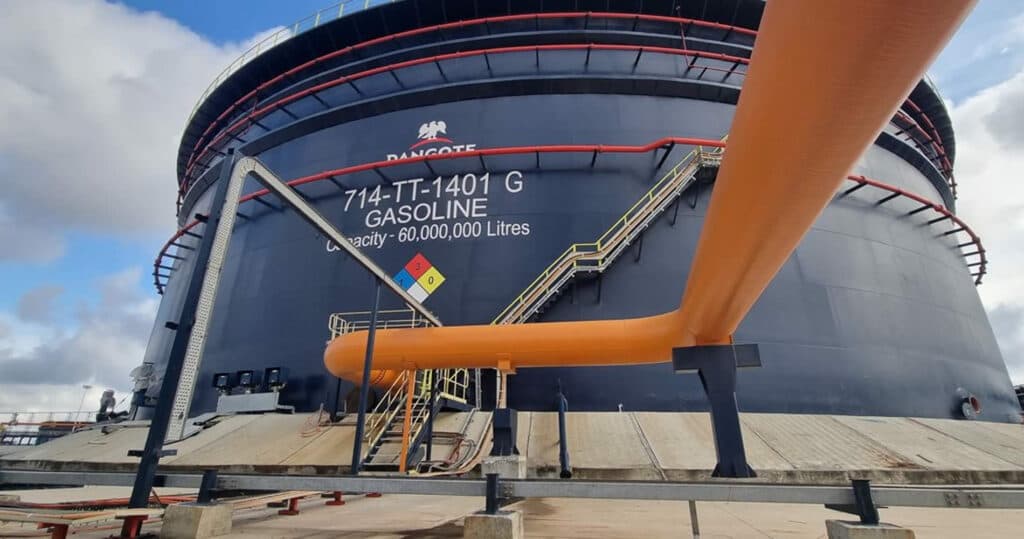
For readers outside Nigeria, the Dangote name carries the weight of a national champion. Aliko Dangote built the refinery on the outskirts of Lagos to process crude domestically rather than ship it abroad and import finished fuel, a project that has been both a bet on Nigerian industrial ambition and a lightning rod for debate over pricing, supply and politics. Meristem Securities is one of Lagos's established investment houses, the kind of broker that anchors domestic capital markets. Ethica is smaller and newer, a digital-first microfinance operation built explicitly around non-interest banking, a segment Nigerian regulators have encouraged as a way to reach savers who avoid conventional interest-based products.
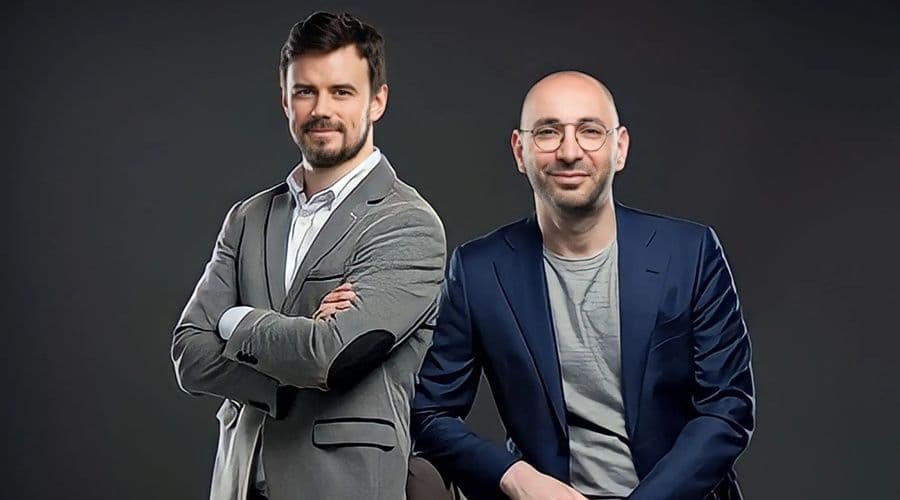
The mechanics matter to outsiders because Islamic finance has a specific gatekeeping structure in Nigeria. The Dangote Refinery IPO was certified Sharia-compliant by the Financial Regulation Advisory Council of Experts, or FRACE, the Central Bank of Nigeria's advisory body on Islamic finance. Ethica's own Advisory Committee of Experts reviewed the offer separately. That double layer of review is not bureaucratic padding; for a devout Muslim investor, a single ambiguous ruling can be the difference between participating and staying away entirely. Tajudeen Sekoni, managing director of Ethica Microfinance Bank, framed the tie-up as part of a broader push to modernise digital banking and widen access to ethical investment. Sodiq Oyeleke, Ethica's head of marketing, communications and partnerships, said the partnership reflects a commitment to financial inclusion and to broader participation in wealth creation.
The signal here reaches beyond one refinery. African capital markets have long struggled with shallow domestic participation, with listings often leaning on institutional and foreign money while retail investors watch. Nigeria's Muslim population is large, and a meaningful slice of it has been structurally excluded from equity offers that were not screened for compliance. A mobile subscription channel that clears that hurdle does two things at once: it converts religious preference into investable demand, and it tests whether digital banking apps can function as distribution rails for serious capital-market products, not just payments and transfers. If it works, the template travels. Kenya, Senegal and Tanzania all have growing Islamic finance footprints and governments eager to deepen retail investor bases.
The near-term test is whether the channel actually converts. The offer closes on October 13, 2026, and the numbers that emerge will say more than any press release. A strong showing would tell Nigeria's arrangers that compliant retail demand is real and worth designing for from the start. A weak one would suggest that certification alone does not move money. Either way, the pairing of a Sharia-focused fintech with an established broker, aimed at the continent's largest share sale, is the kind of experiment that quietly redraws who gets to own a piece of Africa's industrial future.