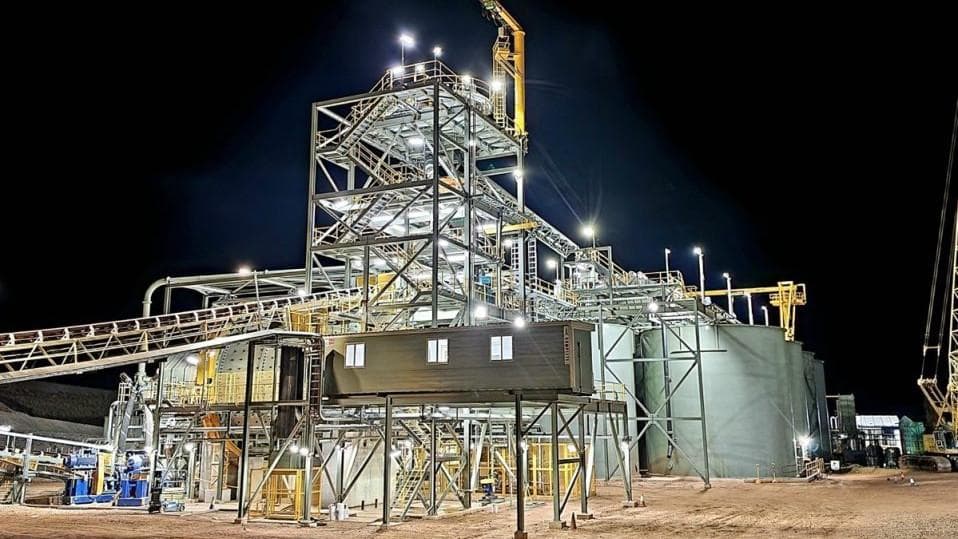
Erco’s $129M haul signals a new era for Colombian energy capital
Colombia’s Erco raises $129M in equity to expand solar, storage and mobility, marking a shift in how Latin American infrastructure attracts global investors.
When a Medellín-born solar developer pulls in $129 million from a mix of Nordic development finance, US infrastructure funds and a venture catalyst, it is not just another funding round. For anyone tracking where capital is moving in South America, Erco Energía’s Series C is a signal that the region’s energy transition has crossed from pilot projects to institutional-grade assets. The deal, announced in 2026, ranks among the largest equity raises by a Colombian company this year, and it lands at a time when the country’s startup ecosystem is still finding its footing after a bruising venture downturn.
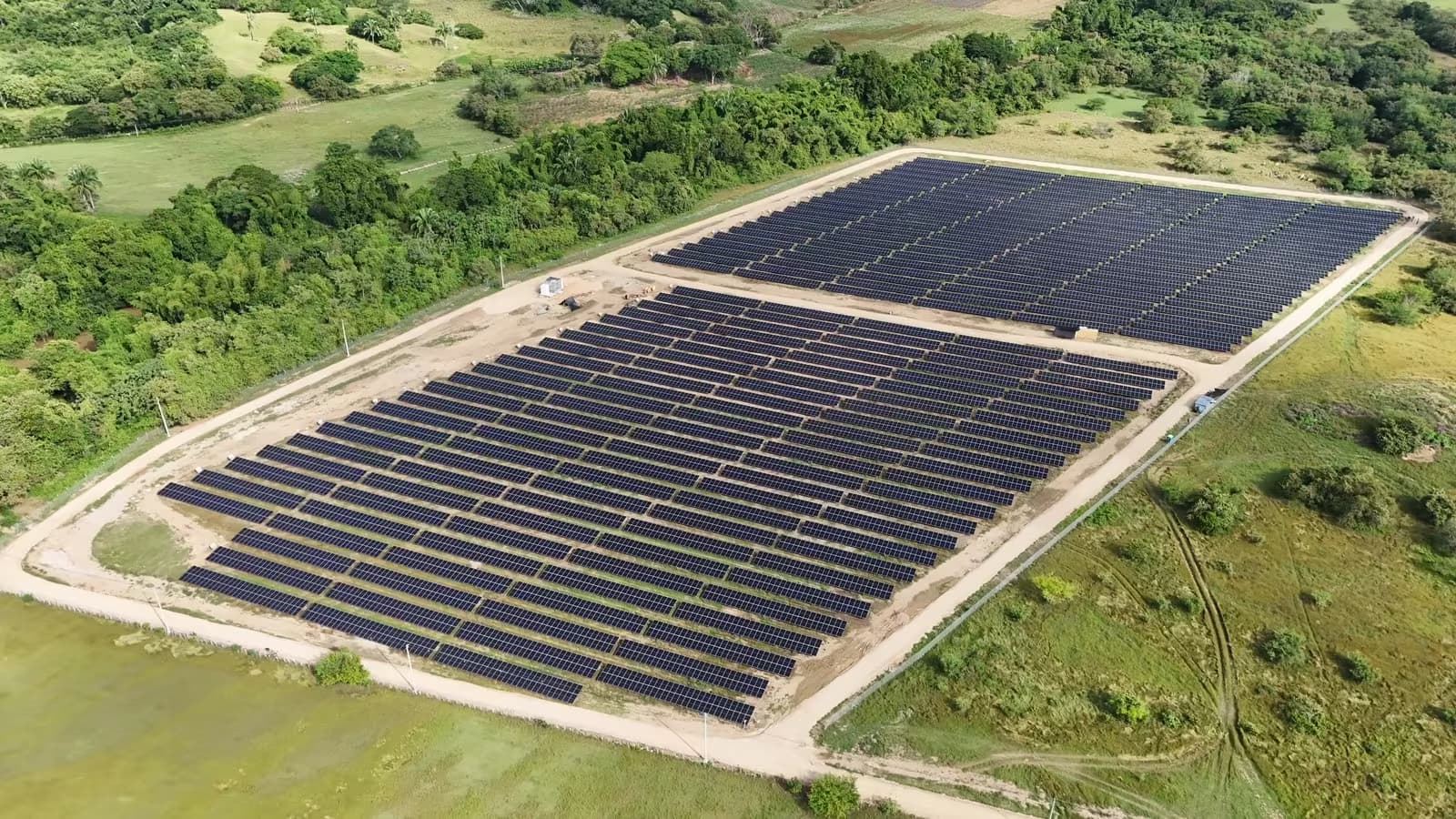
The round was led by a consortium that includes Next Utility Ventures—the investment arm of EPM’s Ventures program, managed by Axon Partners Group—alongside Augment Infrastructure, Norfund and Endeavor Catalyst. The equity structure matters: unlike debt, which would have weighed down the balance sheet, this injection lets Erco preserve its borrowing capacity for project finance on specific plants. That is a sophisticated play, one that separates infrastructure builders from software startups. Erco says it has already built over 2,600 projects and surpassed 450 MWp of installed capacity, with its flagship Andes solar park—around 400 MWp—being developed in partnership with Empresas Públicas de Medellín, the city-owned utility that is a cornerstone of Colombia’s energy establishment.
Founded in 2011, Erco has evolved from a small solar installer into a full-stack energy platform spanning generation, storage, electric mobility, asset management and digital trading. This breadth is what convinced international investors that the company is not a one-trick pony. Nicolás Ríos, a partner at Axon, framed it as proof that climate-tech in Latin America has become a mature investment thesis—one that can deliver returns while doing real good. For outsiders, that language might sound like standard ESG boilerplate, but in a country where energy policy has long been dominated by hydroelectric giants and fossil fuels, Erco’s rise reflects a quiet revolution.
Colombia’s energy matrix is among the cleanest in the world thanks to hydropower, yet it is also vulnerable to El Niño-driven droughts. Solar is not just an environmental nicety; it is a hedge against climate volatility. Erco’s expansion into distributed generation and storage speaks directly to that need. The company’s partnership with EPM, a public utility with deep pockets and political weight, gives it credibility that few private players can match. That relationship likely helped reassure foreign funds that their money would not get tangled in Colombia’s notoriously complex permitting and grid-access processes.
The size of the round—$129 million—also puts Erco in a different league from the typical venture deal. KPMG data shows that in 2025, Colombian startups raised about $857 million across 131 transactions, but most of that went to software and fintech. Erco is building physical assets, which require patient capital and a longer time horizon. That this deal happened at all suggests that international investors are now comfortable with Colombian infrastructure risk, at least in the energy sector. It also signals a shift in how Latin American wealth is being channeled: away from extractive industries and toward renewable energy, which is increasingly seen as a stable, inflation-resistant asset class.
For local observers, the involvement of Endeavor Catalyst—a fund tied to high-growth entrepreneurship—is telling. It blurs the line between venture capital and infrastructure finance, a hybrid that could become a template for other Latin American companies in sectors like water, waste and transport. Erco’s next moves will be watched closely: the capital is earmarked for accelerating projects across Colombia, expanding installed capacity and diversifying the grid. If the company can execute without diluting its equity or overleveraging, it could become a regional champion, exporting its model to neighboring markets like Peru or Chile.
But the real test lies in the details. Colombia’s energy regulator has been slow to adapt to distributed generation, and grid bottlenecks remain a headache. Erco’s success will depend on its ability to navigate those hurdles while maintaining the trust of its new international backers. The fact that Axon, which participated in the Series B in 2023, returned for this round suggests the company has met its milestones. For anyone betting on South America’s clean-energy future, Erco is now a name to remember—not just for the size of its raise, but for what it represents: a homegrown firm that has managed to attract global capital without selling its soul to the highest bidder.