Elumelu's Seplat Stake Jumps N311.5 Billion in Two Weeks to N1.79 Trillion
Tony Elumelu's 20.07% Seplat Energy stake gained N311.5bn in two weeks, hitting N1.79tn as the Nigerian oil producer's shares surged.
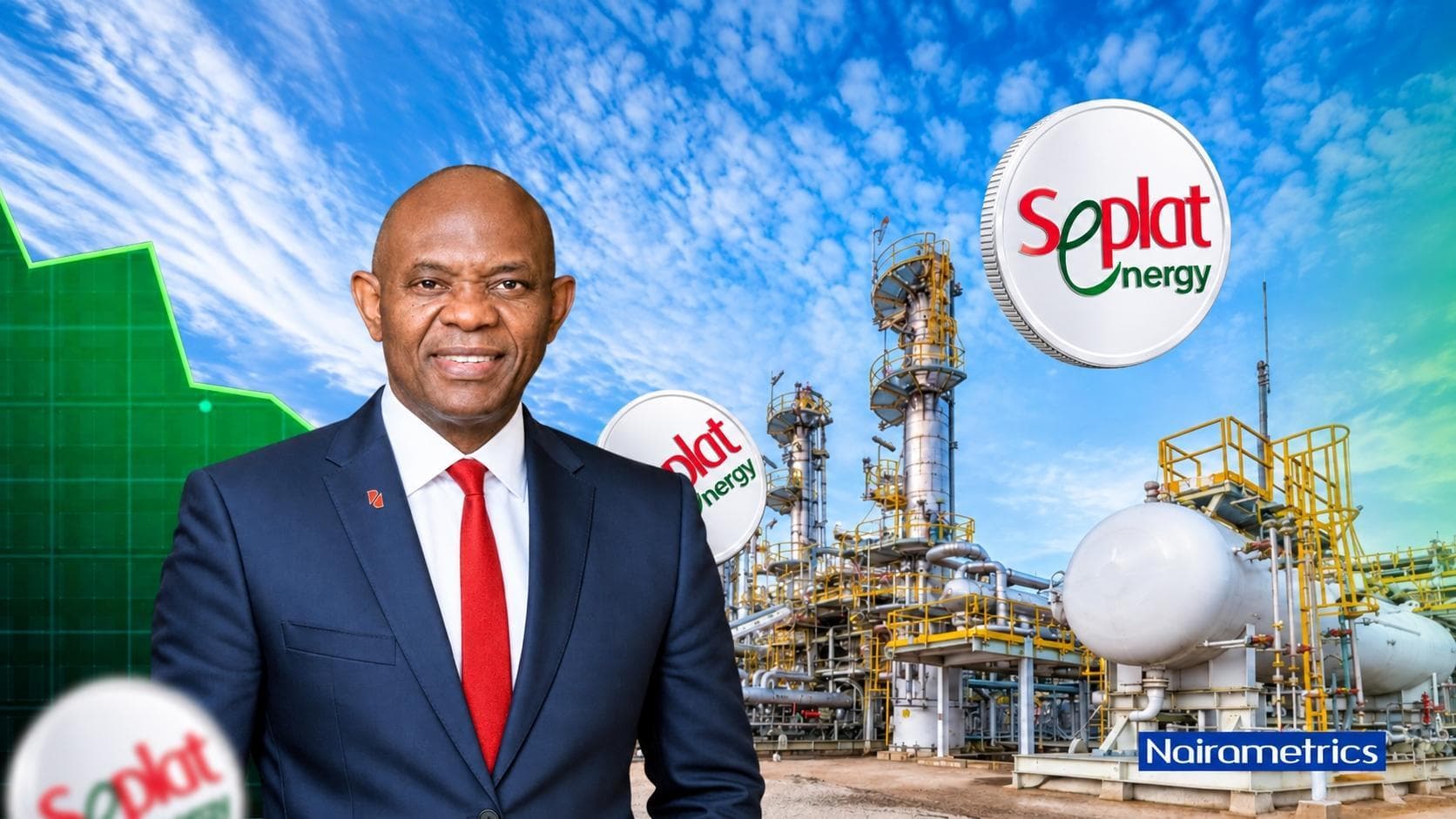
Tony Elumelu has spent two decades building one of Africa's most recognisable business empires, but rarely has his fortune moved so fast. In just over two weeks, the market value of his stake in Seplat Energy Plc climbed by roughly N311.5 billion, a gain that would rank as a landmark year for most investors — and it happened between September 1 and the present.
The mechanics are straightforward. Elumelu holds 120.4 million Seplat shares, or 20.07% of the company, indirectly through Heirs Energies Ltd and Heirs Holdings Ltd, making the Heirs Group Seplat's largest disclosed shareholder. At Seplat's September 1 closing price of N12,320.60, that holding was worth about N1.48 trillion. With the share price now at N14,907.80, the same block is valued at approximately N1.79 trillion. Since the end of June, when the stake was worth about N1.37 trillion, the appreciation totals some N426.7 billion — with the bulk of it arriving in the past fortnight alone. The position also throws off cash: Seplat declared a N165.50 per-share interim dividend for H1 2026, split between a N68.96 core payout and a N96.54 special dividend, giving Elumelu a gross entitlement of roughly N19.92 billion before withholding tax.
For readers outside Lagos, Seplat is not an obscure listing. It is one of Nigeria's leading indigenous oil and gas producers, a company born out of the divestment of onshore assets by international majors and now large enough to command a share price in the tens of thousands of naira on the Nigerian Exchange. Elumelu's relationship with the company deepened at the end of 2025 through a landmark transaction, and in June Seplat announced he would become Chairman effective January 1, 2027, succeeding Senator Udoma Udo Udoma, with Engr. Effiong Okon appointed CEO. That is the same Elumelu who engineered the 2005 merger of Standard Trust Bank and UBA, and who now runs Heirs Holdings, a conglomerate spanning banking, power, hospitality and energy. His Seplat position sits at the intersection of two of his defining bets: indigenous control of Nigerian resources and long-horizon African capital.
The share-price run is not sentiment alone. Seplat has been reporting stronger earnings and operating from a significantly larger production base, a combination that matters in a sector where investors usually price in political risk, currency volatility and pipeline insecurity. Higher output plus improved profitability plus a generous dividend policy is the kind of trifecta that re-rates an energy stock. For a Nigerian market that has spent years fighting low liquidity and foreign-investor caution, a domestically owned champion trading at these levels is a signal in itself.
What does it say about African wealth more broadly? First, that the continent's biggest fortunes are increasingly tied to listed operating businesses rather than opaque holdings — and those fortunes now move in public, in real time, on local exchanges. Second, that energy remains the surest escalator for African capital, even as banking and telecoms mature. Third, that local pension funds, insurers and high-net-worth investors are becoming price-setters in their own markets, a shift that reduces dependence on fickle foreign flows. Elumelu's gain is not a paper curiosity; it reflects a genuine revaluation of a Nigerian company by Nigerian and international buyers alike.
The next test comes in January 2027, when Elumelu takes the chairman's seat. He will then be both the largest disclosed shareholder and the man setting the board's tone — a concentration of influence that will draw scrutiny as much as applause. If Seplat keeps delivering on production and payouts, the stake could climb further, and the template of indigenous energy ownership will look even more compelling. If oil prices or Nigerian macro conditions sour, the same leverage works in reverse. Either way, the past two weeks have shown how quickly African wealth can compound when a listed champion fires on all cylinders.