Osaka Gas Takes 5pc Browse Stake From BP as Japan Deepens Western Australia Gas Bet
Osaka Gas has agreed to buy a 5 per cent stake in the Browse gas development from BP, reinforcing Japanese interest in Western Australia's offshore gas.
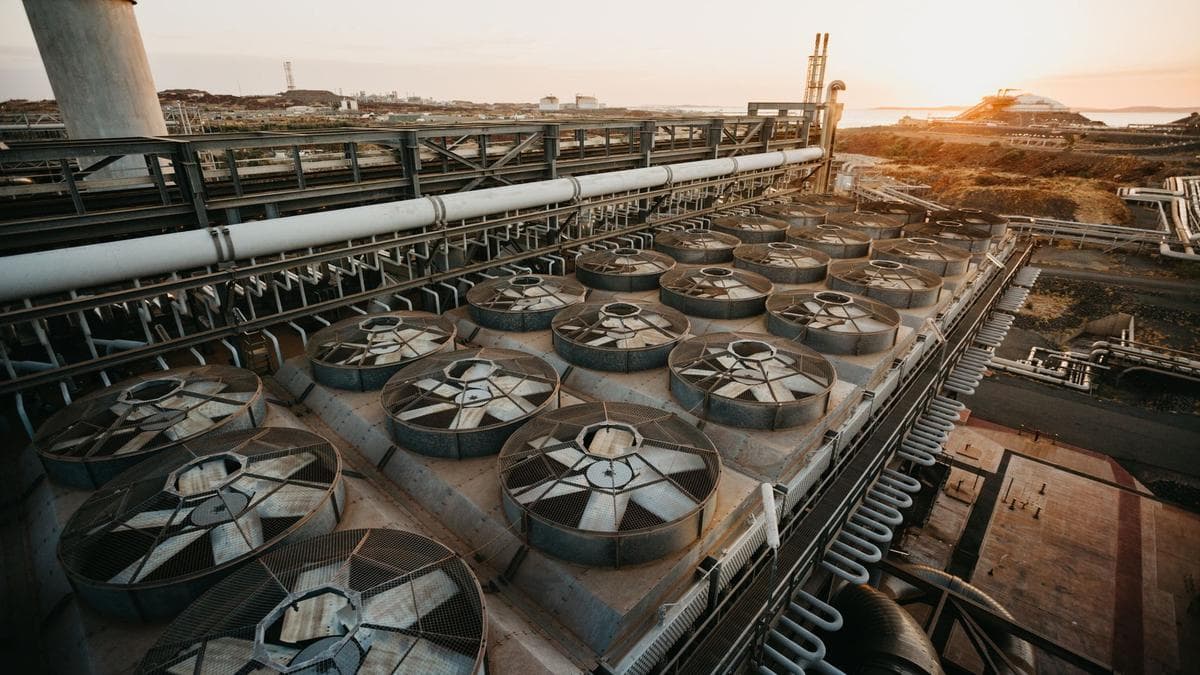
Japan has found another way into Western Australia's gas. Osaka Gas has agreed to buy a 5 per cent stake in the Browse development from BP, a deal that quietly reshapes the ownership map of one of the country's most closely watched offshore gas projects and, once again, puts a Japanese utility at the table.
The stake changes hands between two companies that already know each other well in this basin. BP has been a long-standing partner in Browse, the large gas accumulation off the Kimberley coast that has been discussed, delayed and redesigned for years. Osaka Gas, for its part, is no newcomer to Australian gas — it has held interests in the region and buys LNG from here. The reported figure is a 5 per cent interest; no price was disclosed in the source material, and none should be assumed.
For readers outside the region, the context matters. Browse is not a single well or a quick-turnaround project. It is a multi-field gas resource that has spent more than a decade in planning, buffeted by cost estimates, environmental scrutiny and shifting partners. Western Australia's gas sector is the state's economic spine: LNG exports from the Pilbara and Kimberley have made the state a global supplier, and the customers are overwhelmingly in North Asia. Japan, South Korea and China have long been the anchor buyers, and Japanese trading houses and utilities have historically taken equity in projects to secure supply rather than simply signing purchase contracts.
Osaka Gas sits squarely in that tradition. It is one of Japan's large city-gas utilities, serving the Osaka region, and like its peers it has spent years diversifying supply and building an international portfolio. Buying into Browse from BP is a familiar move: pay for a slice of the resource, then convert that position into long-term volumes. For BP, trimming a holding is equally familiar — majors have been reshaping portfolios, recycling capital and bringing in partners who can help carry a project toward a final investment decision.
What does this signal about capital in Oceania? Three things. First, Japanese capital remains patient and strategic in Australian resources, even as some Western investors retreat from long-dated fossil fuel projects. Second, equity in undeveloped gas is still seen as valuable optionality — a claim on future molecules rather than a bet on next quarter's price. Third, the deal reinforces Western Australia's position as the connective tissue between Australian resources and Asian energy demand, a relationship that predates the current debate over emissions and will likely outlast it.
The timing is telling. Browse has never been short of partners or headlines; it has been short of a clear path to development. Bringing in a utility with both capital and an appetite for offtake is one way to push a project closer to a decision. It also strengthens the case that the gas will have a home once it flows.
For those tracking wealth in Oceania, the story is less about a single transaction than about the direction of flows. Australian gas assets continue to attract Asian industrial capital, and the ownership of the continent's energy future is increasingly decided in Tokyo, Seoul and Beijing as much as in Perth. Watch what Osaka Gas does next: whether this stake becomes a platform for offtake agreements, further equity, or both. In the slow-moving world of Browse, a 5 per cent slice can be the beginning of something considerably larger.