Elk Range spins up Idaho drills days after oversubscribed ASX debut
Freshly-listed Elk Range Mining has begun a 2,850m drill campaign at its Friday gold project in Idaho, targeting high-grade extensions and a JORC resource.
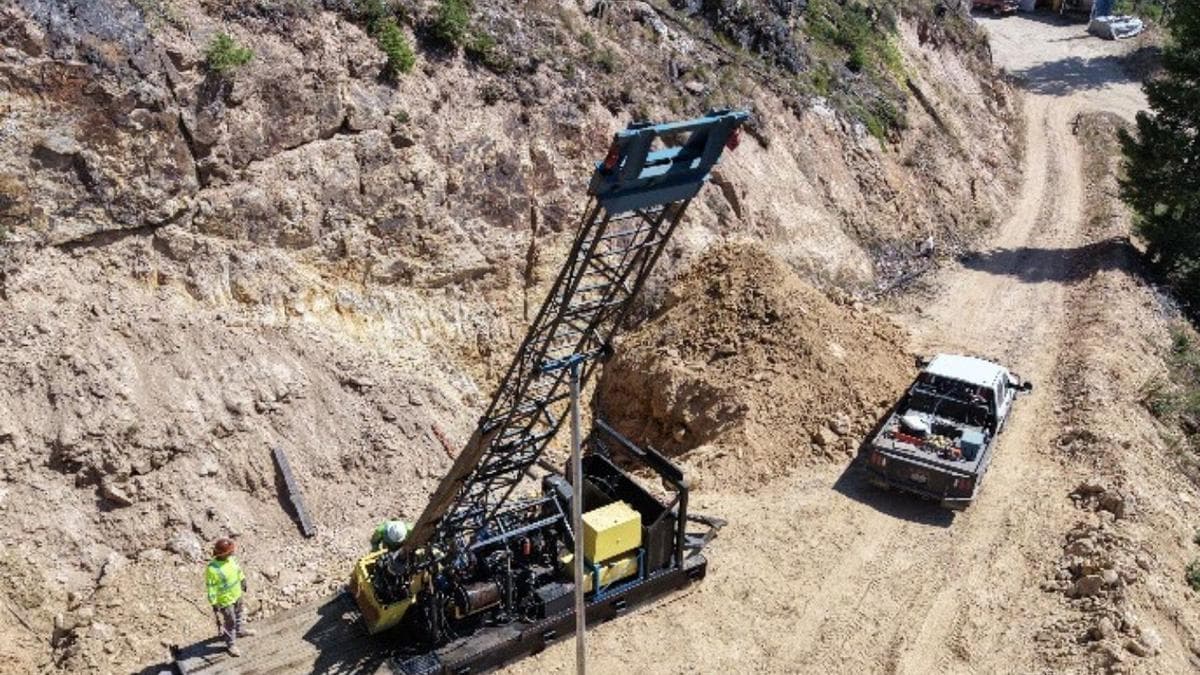
For the small band of Perth investors who backed Elk Range Mining’s float, the wait between writing cheques and seeing drill rods turn has been almost insultingly short. The company only hit the ASX boards days ago, yet already the diamond rig is spinning 15 kilometres southwest of Elk City, Idaho, testing an old high-grade gold mine that has sat largely untouched for a decade. In a market where junior explorers often spend months on logistics, permitting and contractor negotiations before turning a single metre, this is a statement of intent.
The maiden program is a 2,850-metre, eight-hole campaign at the Friday gold mine, part of Elk Range’s broader Idaho gold project. The float itself raised $10 million at 20 cents a share, and the offer was significantly oversubscribed — a useful signal that retail and institutional appetite for gold explorers remains robust even as the broader resources sector wrestles with cost inflation and investor caution. The company’s stated goals are straightforward: validate the historical high-grade numbers, build geological confidence towards a JORC-compliant resource, and test the system at depth and along strike where previous operators never bothered to look.
The historical data is what makes this project interesting. A foreign resource estimate for the old mine outlined 758,000 tonnes grading 5.91 grams per tonne gold for 144,000 ounces — not JORC-compliant, but enough to whet the appetite. Previous drill intercepts include a stunning 110.3-metre hit at 5.34 g/t from just 26.7 metres down, plus 54.1 metres at 5.62 g/t and 31.7 metres at 7.80 g/t. Those are the kind of numbers that make Western Australian gold bugs sit up, even when the ground is in the American Northwest rather than the Yilgarn.
What sets Elk Range apart from the typical ASX gold explorer is its brownfields head-start. The Friday mine comes with existing underground development, site infrastructure, and a permitted 50,000-tonne-per-annum processing plant plus assay lab. The previous owner poured more than US$40 million into the project before walking away. Elk Range says the plant could be restarted within 12 months, which would hand the company a low-capital pathway to production that most juniors can only dream of. Instead of burning cash on access roads and camp construction, the money goes straight into the ground.
The timing also looks sharp. Gold is printing at around A$6,300 an ounce, and the market is hungry for resource-growth stories. Idaho itself is re-emerging as a serious mining jurisdiction, with Perpetua Resources’ 4.8-million-ounce Stibnite project 150 kilometres to the south winning key permitting and court approvals. That backdrop matters for international investors who might otherwise dismiss US gold projects as jurisdictionally risky or logistically painful. The Orogrande shear zone, which hosts Elk Range’s project, is increasingly seen as a district-scale opportunity, with the company’s Buffalo Gulch and Deadwood prospects adding a further 199,000 ounces of non-JORC gold to the broader picture.
For Oceania’s wealth watchers, Elk Range is a reminder that Perth’s junior mining ecosystem is alive and well, even as the region’s economy pivots towards lithium, rare earths and critical minerals. Gold remains the sector’s emotional anchor, and the speed at which this company has moved from listing to drilling suggests there is still plenty of appetite for well-structured, well-located exploration plays. The real test will come with the assay results. If the historical intercepts are confirmed and the deeper holes hit, Elk Range could quickly become one of those rare juniors that graduates from explorer to developer without the usual decade of pain. If not, the rods will stop spinning as fast as they started. Either way, the punters who got in at 20 cents are in for an interesting ride.