Dolly Parton's Final Act: The Legacy Economy of an American Icon
The passing of Dolly Parton, a self-made billionaire and cultural force, underscores the immense and enduring value of intangible assets like brand equity and intellectual property. For investors, her life offers a masterclass in how authenticity and savvy business acumen can build a legacy that outlasts any single product or market cycle.
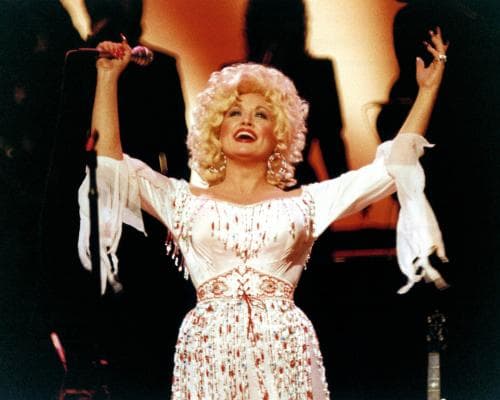
The news hit like a dropped needle on a vinyl record: Dolly Parton is gone. But before the tributes fade and the candles burn out, let's talk about what she really built. This wasn't just a singer leaving the stage; it was the exit of a one-woman conglomerate whose assets—an unmistakable voice, a razor-sharp wit, and a brand more durable than most blue-chip stocks—were worth more than a billion dollars. For the wealth desk, the real story isn't the grief; it's the portfolio. Parton was the rarest of creatures: a cultural icon who was also a ruthless business operator. Her death forces a revaluation of what we call 'legacy assets.'
Consider the mechanics of her fortune. Parton didn't get rich from record sales alone—she got rich from owning her publishing. In an industry where artists routinely sign away their masters for a quick check, she had the foresight to retain control of her songwriting catalog. That catalog, including 'Jolene' and 'I Will Always Love You,' isn't just a collection of songs; it's a revenue-generating machine that has been covered, sampled, and licensed for decades. When Whitney Houston's version of 'I Will Always Love You' exploded in 1992, Parton's publishing royalties made her a fortune without her lifting a finger. That's the power of intellectual property done right. It's the kind of asset that throws off cash for generations, a perpetual bond with a coupon paid in cultural relevance.
Then there was the theme park. Dollywood, nestled in the Smoky Mountains, is not a theme park; it's a real estate play and a tourism anchor that transformed Pigeon Forge, Tennessee, into a destination. It's a vertical integration play that would make Warren Buffett nod: she owned the content, the venue, and the experience, capturing value at every turn. The park's success helped her net worth cross the billion-dollar mark, a figure she famously joked about, saying, 'But I didn't take it that seriously.' That's the thing about self-made billionaires—they often understand that the real wealth is in the brand's equity, not the cash in the bank. Her brand was so potent that she could launch a line of pet clothes or a baking mix, and it would sell out. That's not diversification; that's brand leverage on steroids.
What does this mean for the markets? For one, it's a reminder that 'soft' assets—copyrights, trademarks, and goodwill—are often the hardest currency of all. In a world where investors scramble for the next AI stock or crypto coin, Parton's legacy is a testament to the enduring value of authentic storytelling. She was the original influencer, monetizing trust before the term existed. Her death will likely trigger a spike in her catalog's value, as streaming numbers surge and new generations discover her work. This is the 'death bump' phenomenon, where an artist's estate sees a sudden influx of revenue. For the wealthy, the lesson is clear: build assets that are not tied to your daily presence. Parton built a machine that runs on its own, powered by the emotional connection she forged with millions.
For the LGBTQ community, in particular, her passing is a profound loss. As a Washington bar patron put it, she was 'the one that's been with me from the very start.' That kind of loyalty is not just emotional; it's a consumer base. Parton understood that her appeal cut across demographics—from country purists to drag queens—and she never alienated one to please the other. That's a masterclass in market segmentation. She managed to be a universal product in a polarized world. Her legacy is a case study in how to build a brand that is both authentic and commercially viable, a balance that eludes most corporations.
Looking forward, the Parton estate will be a model for managing a legacy. Expect to see a curated rollout of reissues, documentaries, and perhaps even a Broadway show. The smart money will be on how her team handles the inevitable 'AI resurrection' debates. Will they license her likeness for hologram tours? That's a decision that could set a precedent for other estates. For now, the market is stable, but the cultural capital is off the charts. As we mourn, let's also take a lesson: Dolly Parton didn't just sing about working 9 to 5; she built an empire that never clocks out. That's the kind of legacy that pays dividends forever.