Dangote's Fertiliser Arm Eyes 2028 IPO as Ethiopia Plant Takes Shape
Aliko Dangote says his fertiliser business will IPO in 2028 and aims to be the world's largest, as a new Ethiopian plant extends the bet across Africa.
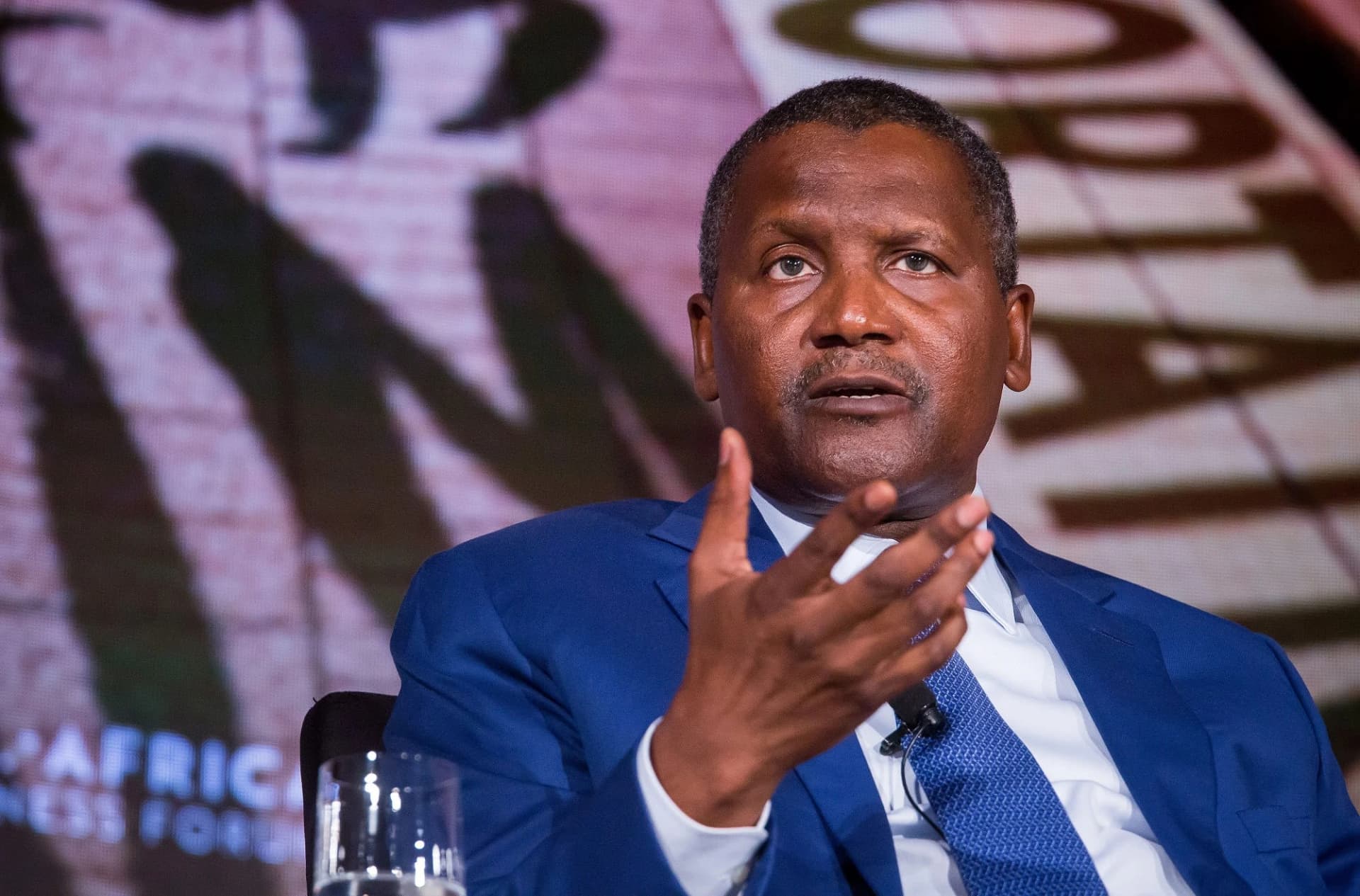
Aliko Dangote has never been shy about scale. At the Qatar Economic Forum, the Nigerian industrialist put a date on his next act: a 2028 initial public offering for Dangote Fertilizer, with the stated ambition of becoming the world's largest producer of the crop nutrients that keep Africa's farms running.
The announcement, made during a Bloomberg-powered interview in Doha, lands against a backdrop of global supply shocks and a continent still importing most of what it spreads on its fields. Dangote Fertilizer already runs a 3 million-tonne-per-year granulated urea and ammonia plant in Lagos — described as Africa's largest granulated urea facility — and exports a significant share of its output, including to the United States. The company's expansion, Dangote said, is driven partly by the disruption to global fertiliser supplies after Russia's invasion of Ukraine, and by Africa's dependence on imported product. He recalled the African Union dispatching then-chairman Macky Sall to seek help when traditional suppliers failed. The response: more urea, plus new sourcing of potash and phosphate, with a goal of supplying more than 40 percent of Africa's fertiliser demand and keeping product available year-round rather than only at planting time.
For readers who track African capital, the name behind the ticker matters as much as the ticker itself. Dangote Industries is the continent's most prominent privately held conglomerate, spanning cement, sugar, salt and now oil refining. The fertiliser unit sits inside that web, and its planned listing would give outside investors a rare slice of a Dangote asset. The group is also expanding beyond Nigeria: a plant in Ethiopia is expected to take about 40 months to complete, with 3 million tonnes of annual capacity and a pipeline link to the Calub and Hilala natural gas fields in the country's southeast. That is a notable bet in a market where hard-currency shortages and logistics have historically deterred large-scale manufacturing.
The timing is not accidental. Fertiliser prices and supply chains have been volatile since 2022, and producers with spare capacity have gained leverage with buyers from Brazil to the American Midwest. Dangote's pitch to investors leans on that scarcity premium, plus the African Development Bank's $6 billion credit line, which can be drawn for petroleum products or fertiliser. The refinery side of the group is separately planning a New York Stock Exchange listing after an expansion that would double crude-processing capacity to 1.4 million barrels per day by the first quarter of 2029 — a reminder that Dangote is courting global capital, not just Lagos money.
What does it signal? Africa's largest private industrialist is moving from builder to listed-company operator, inviting public shareholders into assets that were long family-controlled. That shift matters for a continent where deep-pocketed local institutions and pension funds are hungry for large, credible equities. It also matters for food security: fertiliser is a direct input into crop yields, and a producer of this size could influence prices and availability across West and East Africa. The Ethiopia project, if delivered, would extend that influence into the Horn.
The road to 2028 is long, and Dangote has a habit of setting audacious targets. But the direction is clear. The question for investors is not whether Africa needs more fertiliser — it plainly does — but whether a single group can dominate supply without inviting regulatory scrutiny or political friction. For now, the man who built Nigeria's cement empire is betting that the world's next fertiliser giant will be African, listed, and his.