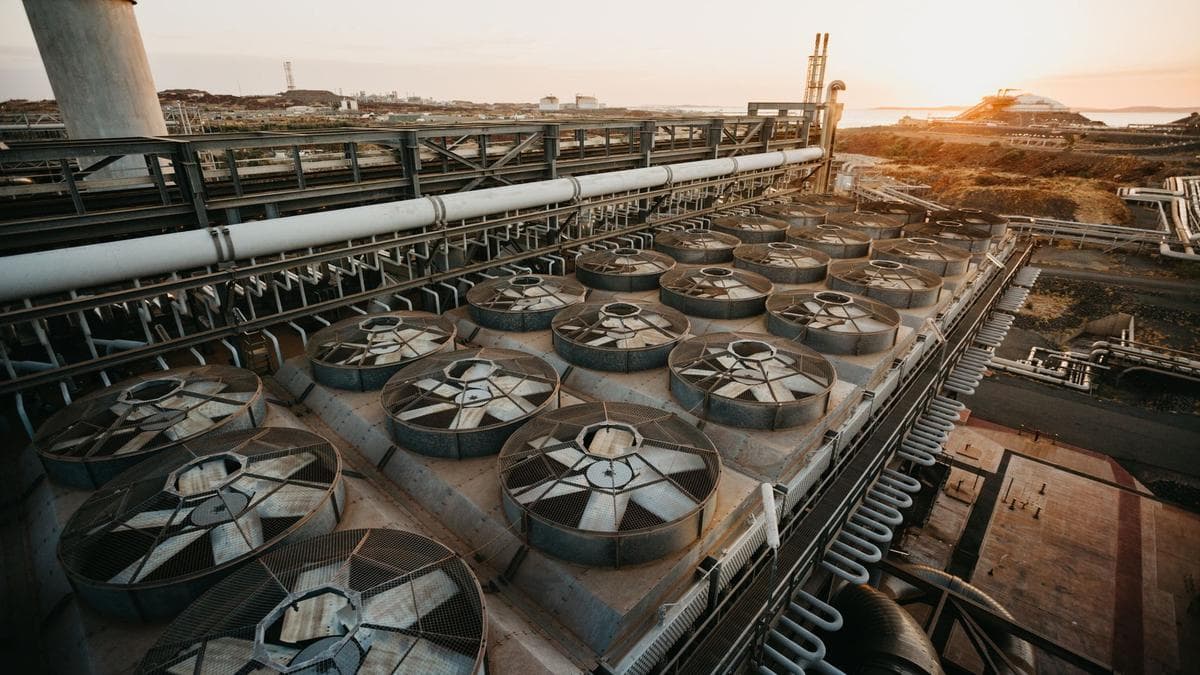
Dangote Refinery's N2.15 Trillion IPO Lets the Diaspora Buy Nigeria's Industrial Crown From Their Phones
Dangote Refinery's record N2.15tn IPO lets diaspora Nigerians subscribe via fintech apps, turning remittances into ownership of Africa's largest industrial asset.
A Nigerian in Houston opened an app this week and bought a piece of the largest industrial project ever built in Africa. No broker's office, no stamped forms, no waiting on a cousin in Lagos to queue at a bank. He told BusinessDay the process was simply smooth — and in that small transaction sits one of the more consequential shifts in how African wealth is being raised and held.
The Dangote Petroleum Refinery and Petrochemicals IPO is now live, and it is not a modest affair. The offering is valued at N2.15 trillion, making it Africa's largest-ever public share sale. Shares are priced at N525, with a minimum bundle of ten shares costing N5,250 — roughly four US dollars. That entry point is deliberate. It puts a stake in the refinery within reach of a market trader in Kano or a nurse in Dallas, not just institutional funds and high-net-worth families. The offer opened on Monday, September 14, and the digital traffic it generated was heavy enough to briefly knock some regional investment platforms and bank channels offline.
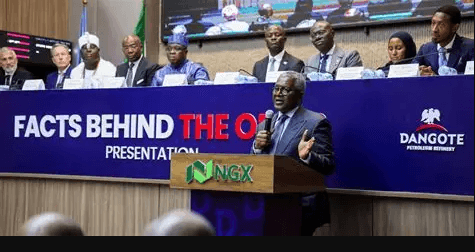
For outsiders, the refinery needs context. It is the flagship of Aliko Dangote, the Lagos-born industrialist who built a fortune first in cement and then in sugar, flour and fertiliser. The refinery itself is a bet on ending Nigeria's paradox: a country that pumps crude but has for decades imported the petrol it burns. Taking even a slice of that asset public is a statement about scale and about who gets to own the country's strategic infrastructure. Temi Popoola, group managing director of NGX Group, called the launch an important moment not merely because of the transaction's size but because of what it represents — a capital market where more Nigerians can share in the value created by the country's most important businesses. He said NGX Invest now connects the offer to more than 100 distribution channels spanning stockbrokers, banks, fintechs and other financial institutions, using API-based connectivity to push investment into platforms people already use.
The mechanics are where the story turns interesting for anyone tracking African capital flows. Fifty-five approved financial intermediaries are handling subscriptions globally, and they include names like Revve and Paystro — platforms whose usual job is helping diaspora Nigerians send money home. Banks and stockbroking firms are also deploying their electronic channels. That matters because the Nigerian diaspora remits tens of billions of dollars a year, money that has historically arrived as consumption: school fees, rent, family support. Gbite Oduneye, managing partner of London-based venture capital firm ODBA, told BusinessDay that fintech is shifting the diaspora's relationship with Nigeria from remittance to ownership. By cutting friction around onboarding, payments and share subscriptions, he argues, these platforms give Nigerians abroad a practical route into major Nigerian assets. His caution is worth repeating: easier access must be matched by informed investing. Diaspora buyers should still weigh valuation, currency exposure, custody, dividend and repatriation arrangements, and whether the platform they use is properly regulated.
Zoom out and the signal is larger than one refinery. African capital markets have long struggled with a narrow investor base, thin liquidity and a perception that big assets are reserved for a connected elite. Here, a retail investor with five thousand naira and a smartphone sits in the same subscription queue as a fund in London. If that holds — if the plumbing does not buckle under demand and if custody and repatriation work as promised — it becomes a template. Other African issuers watching this deal will note that the diaspora is not only a source of remittances but a potential shareholder base, and that fintech rails can reach it without a single paper form.
Oduneye framed the real test well: success will not be whether the IPO is oversubscribed, but whether it creates a lasting class of diaspora investors in Nigeria's capital markets. Oversubscription is a headline. A diaspora that owns, rather than merely sends, is a structural change. The refinery has already proven it can pull capital across borders at the tap of a screen. The question now is whether that habit outlives the hype.