Dangote Refinery's $50 Billion IPO Could Add $23 Billion to Africa's Richest Fortune
Dangote Refinery opens its IPO, targeting a near-$50bn valuation that could lift Aliko Dangote's net worth to roughly $58bn.
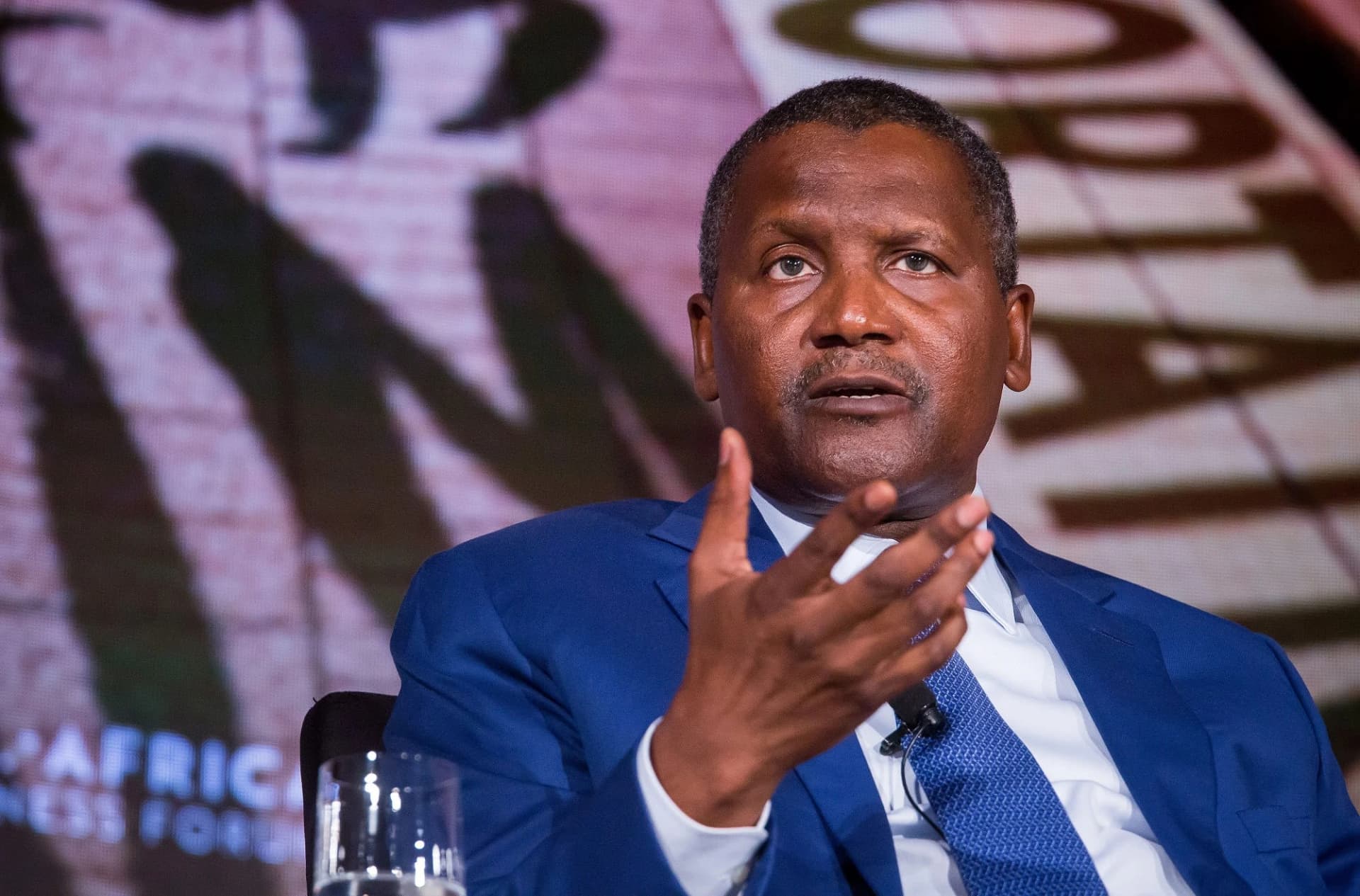
Africa's richest man is about to find out whether the continent's largest industrial bet can be priced by the public. On Monday, Dangote Petroleum Refinery and Petrochemicals opened an initial public offering that Bloomberg calculates could value the business at nearly $50 billion — and, by extension, push Aliko Dangote's personal fortune from roughly $35.3 billion toward $58.2 billion. For anyone tracking how African wealth is built, this is the rare moment when a private empire gets a market price attached to it.
The mechanics matter. The offer prices shares at N525 each and covers 4.1 billion shares, a package that could raise about N2.15 trillion — roughly $1.6 billion — if fully subscribed. Nigeria's Securities and Exchange Commission has approved it. The book closes October 13, with a listing on the Nigerian Exchange expected shortly after. Dangote, 69, has pitched it as an "IPO for the people," with a minimum subscription of just 10 shares, Sharia-compliant options, and a structure that could pay dividends in U.S. dollars. That last detail is not cosmetic in a country where naira volatility has burned savers for years.
To understand why this is more than a billionaire's balance-sheet event, you need the backstory. Dangote Group began as a trading concern and became the force behind Nigeria's cement revolution, a business that turned a family name into infrastructure across the continent. The refinery, on the outskirts of Lagos, is the group's most ambitious pivot yet: a 700,000-barrel-per-day single-train facility that ranks among the world's largest. It was built to solve a paradox that has long embarrassed Nigeria — a major crude exporter that imports most of its refined fuel. The refinery has been moving toward a listing for months, first raising capital privately. Nairametrics reported it was valued at $39.1 billion during a private placement, and by July it had pulled in $2.5 billion that way. September brought reports of the N525 pricing, and now the public phase is live.
What does this signal about capital in Africa? Three things. First, the continent's largest fortunes are increasingly industrial rather than extractive — Dangote's refinery is a processing and manufacturing play, not an oil-block play. Second, African exchanges can now host genuinely mega-cap listings; a near-$50 billion valuation would make this one of the most valuable companies ever to trade in Lagos, giving local pension funds and retail investors a stake in a strategic asset rather than just a speculative one. Third, the structure — dollar dividends, Sharia-compliant tranches, low minimums — reads like a deliberate attempt to widen the investor base beyond the usual Lagos elite. Dangote is expected to retain 84.34% control after the IPO, per the prospectus, so this is a capital-raising exercise, not a handing over of the keys.
The risks are real and worth naming. A $1.6 billion raise is modest against a near-$50 billion valuation, meaning the float will be thin and the shares potentially volatile. Nigeria's macroeconomic backdrop — currency pressure, inflation, policy uncertainty — remains unforgiving. And the refinery's expansion ambitions are enormous: Dangote plans to double capacity under a further $14.3 billion investment program, which means the company will keep needing capital markets to cooperate.
Still, the direction of travel is clear. If this listing lands near expectations, it does two things at once: it hands Dangote Group fresh capital for expansion, and it gives public investors a direct slice of one of Africa's most consequential industrial assets. For a continent that has spent decades watching its wealth get priced elsewhere, a refinery listing in Lagos — with dollar dividends and a retail-friendly entry point — is a statement. The order book closes October 13. The market will then decide what Africa's biggest bet is actually worth.