Colombia's Unergy lands $4M and $120M in commitments to build solar mini-grids across Latin America
Colombian startup Unergy raises $4M, secures $120M total, to build 80 solar mini-grids and expand in the region.
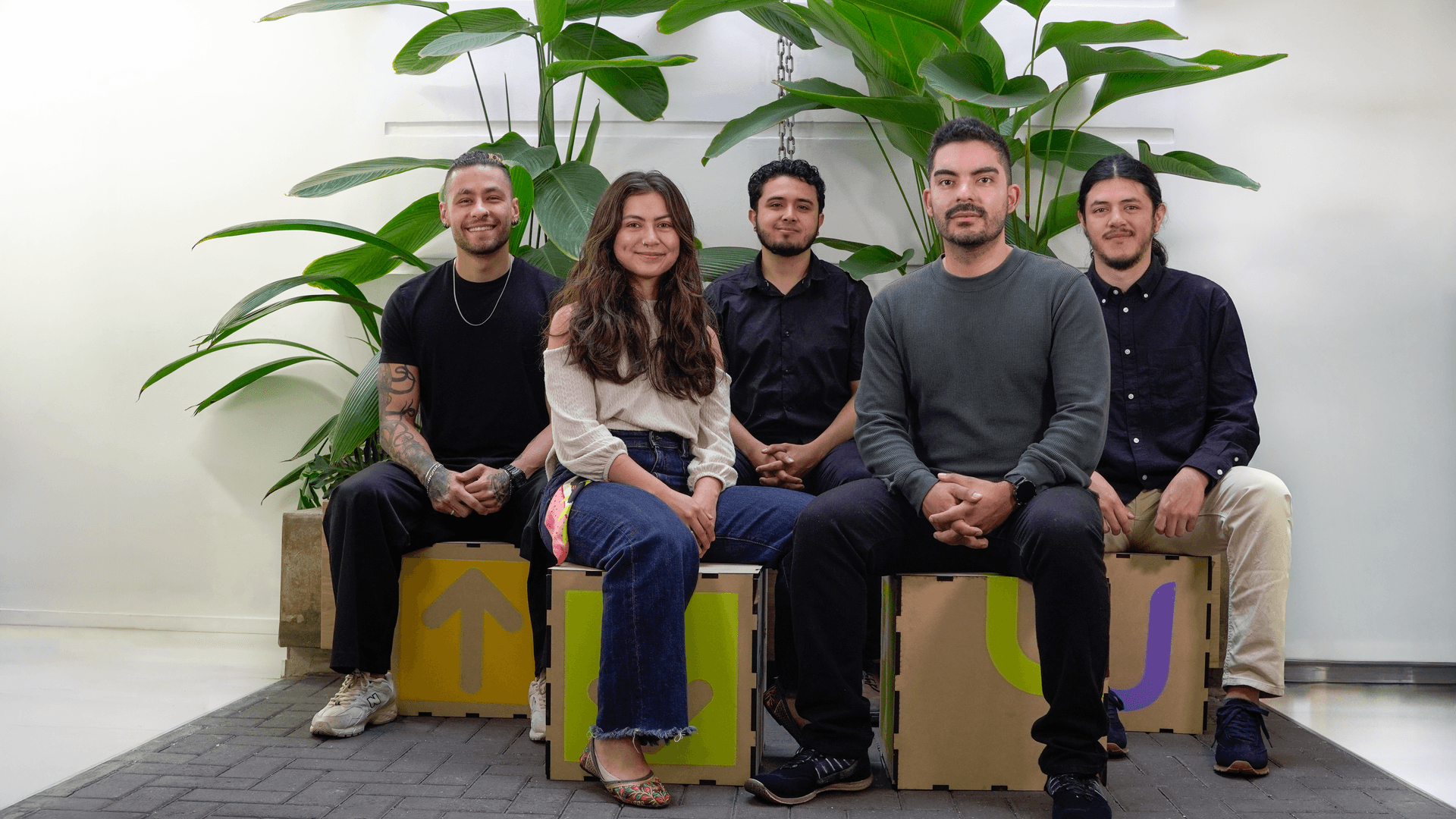
In a Bogotá boardroom, the numbers being tossed around would make most regional venture capitalists blink twice. Unergy, a Colombian startup that most outsiders have never heard of, just closed a $4 million pre-Series A round and, more importantly, locked in an $80 million financing commitment. Add that to an earlier partnership with ally Solenium, and the total committed capital swells to $120 million. Of that, $40 million is already moving, earmarked for the construction of 80 solar mini-grids across Colombia. For a company that began as a response to climate anxiety, this is the kind of momentum that turns a mission into a movement.
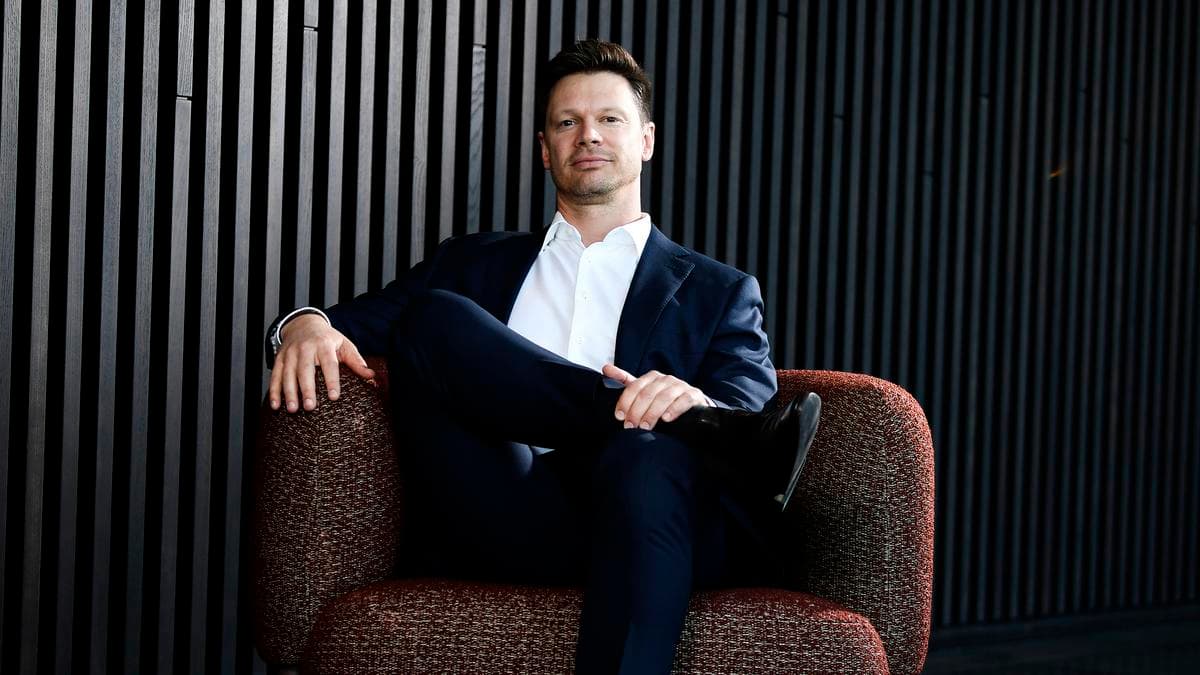
The round was backed by a European fund specializing in climate infrastructure, a name that signals more than just cash. It's a bet on Latin American cleantech at a moment when the region is still largely seen as a commodity exporter rather than a clean energy innovator. Unergy's co-founder and CEO, Eduardo Ospina, frames the company's purpose in stark terms: fighting climate change before global temperatures cross the 1.5°C threshold and trigger natural disasters. That's not marketing speak—it's the founding ethos. The new capital will fuel expansion into Ecuador and Mexico, with a goal of surpassing 1 gigawatt of installed capacity across Latin America within five years. That would make Unergy one of Colombia's largest power generators, a staggering ambition for a startup that only recently counted its installed capacity in the tens of megawatts.
To understand why this matters, you need to see Colombia's energy landscape. The country has made real progress—more than 3 GW of clean generation capacity is now connected to the grid, over 10% of the national mix, a fifteenfold increase since 2018. Solar mini-grids are sprouting: 4 in 2023, 31 in 2024, and 72 projected for 2025. But this is still a nascent market compared with regional heavyweights like Chile and Brazil. Unergy is riding that wave, but it's also creating it. The company has already deployed 31.8 MW, avoiding 9,600 tons of CO₂ annually, and generated over 40 GWh in Colombia. Behind those figures are more than 600 jobs in rural areas where employment options are thin. Ospina emphasizes that the company works hand in hand with communities, owners, and allies to turn solar energy into an engine for local development, economic inclusion, and environmental regeneration.
What makes Unergy's model particularly interesting is its dual-use approach. Many of its projects incorporate agrovoltaics—combining solar panels with sustainable agriculture or livestock farming. This isn't just about generating power; it's about preserving livelihoods and land. In a country where land rights and rural inequality are perennial flashpoints, this approach could be a quiet revolution. The company's vision extends beyond Latin America, aiming to become a global leader in medium-sized distributed generation assets. That's a bold claim, but the financing structure suggests serious investors agree. The European fund's involvement is a vote of confidence not just in Unergy, but in the entire region's ability to deliver climate infrastructure at scale.
For those tracking capital flows in South America, this deal is a signal. Traditional extractive industries still dominate, but a new wave of startups is proving that clean energy can be both profitable and socially transformative. Colombia's energy transition is accelerating, and Unergy is positioning itself at the center of it. The next five years will test whether the company can execute on its ambitious roadmap, but the pieces are in place. With $120 million in committed financing, a clear expansion plan, and a model that ties energy generation to community welfare, Unergy is not just building solar mini-grids—it's building a blueprint for how Latin America can lead the global energy transition. The world is watching, and for once, the spotlight is on Bogotá.