BUA Cement's 51% rally rewrites the rules of Lagos trading
BUA Cement shares surge 51% in 2026 as investors bet big, but a 2.32% free float means every trade counts.
There is a moment in every emerging market when a stock stops being just a company and becomes a statement. BUA Cement has hit that moment on the Lagos bourse, where its share price has blown past the N200 mark and kept climbing — from N178.50 at the close of 2025 to N270 today, a 51.3% jump in just a few months. For anyone tracking capital flows into Africa's biggest economy, this is not a footnote. It is a signal.
The numbers behind the move tell a story of conviction. The rally builds on a stellar 2025, when the stock gained roughly 92%, a sharp reversal from the 4.25% dip it suffered in 2024. Investors are now paying about 25.7 times trailing earnings, up from 19.17 times at the end of last year. In plain terms, the market has gone from paying N19 for every N1 of BUA Cement's earnings to N26. That re-rating suggests fund managers and retail traders alike are looking past the usual Nigerian risks — currency volatility, power shortages, logistics headaches — and betting on a company that keeps delivering.
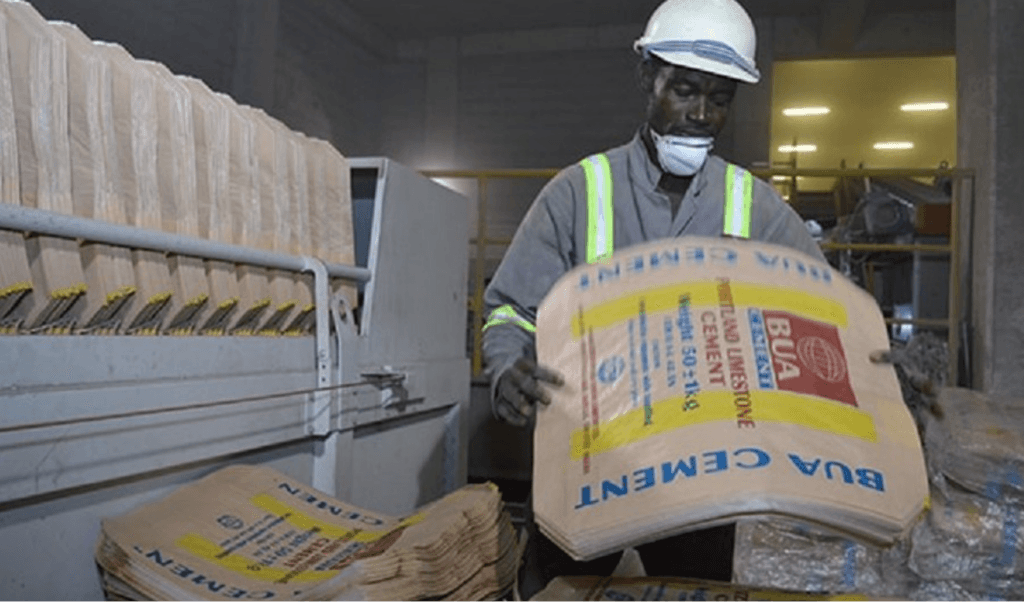
To understand why this matters, you need to know who BUA Cement is. It is the flagship of the BUA Group, one of Nigeria's most powerful conglomerates, controlled by the Abdul Samad Rabiu family. Rabiu is a familiar name in African wealth circles, a billionaire who built his fortune across sugar, flour, and now cement, challenging Dangote's long dominance in building materials. BUA Cement operates two major plants in the northern states of Sokoto and Edo, and has been expanding capacity aggressively. Management credits the recent earnings growth to tighter cost control, operational efficiency, and stronger supply chain engagement. They have also been generous with dividends, a rare trait in a market where many firms hoard cash.
But here is the twist that makes this rally so distinctly Nigerian. Major shareholders control over 95% of the company, leaving a free float of just 2.32% of total shares available for public trading. That is an extraordinarily thin market. It means even moderate buying pressure can send the stock soaring, and a sudden wave of profit-taking could just as easily send it crashing. The rally, therefore, is not purely a vote of confidence in fundamentals. It is also a function of scarcity — a handful of shares chasing a flood of demand. This is a structural quirk common among Nigeria's blue chips, where founding families rarely cede control, and it amplifies every move.
Yet dismissing the rally as mere market mechanics would be a mistake. The underlying business is genuinely improving. Revenue growth is being driven by both pricing power and expanding production capacity, while margins are widening on the back of cost discipline. The company is also investing in new lines, betting that Nigeria's infrastructure deficit — roads, housing, commercial real estate — will keep demand for cement strong for years. That is a bold wager in an economy where the naira's value remains a moving target and construction activity often stalls when rates rise. But it is a wager that appears to be paying off, at least for now.
What does this mean for the wider African wealth landscape? It shows that even in a market as volatile as Nigeria's, patient capital can find winners. It also highlights a growing divide: the companies that thrive are those with dominant market positions, family backing, and the ability to self-fund expansion. BUA Cement's rally is not just about cement. It is about how African conglomerates are learning to reward shareholders while keeping control tightly in family hands. The question for 2026 is whether the earnings can keep pace with the hype. Management expects growth to continue, and the capacity upgrades suggest they are putting money where their mouth is. For now, the market is buying the story — and with so few shares on offer, every buyer counts more than ever.