BNK makes it official: Kinsella and Newman take the helm as Australia's branchless bank grows up
BNK Banking locks in Kinsella and Newman as permanent CEO and CFO, signalling a strategic push into SME lending.
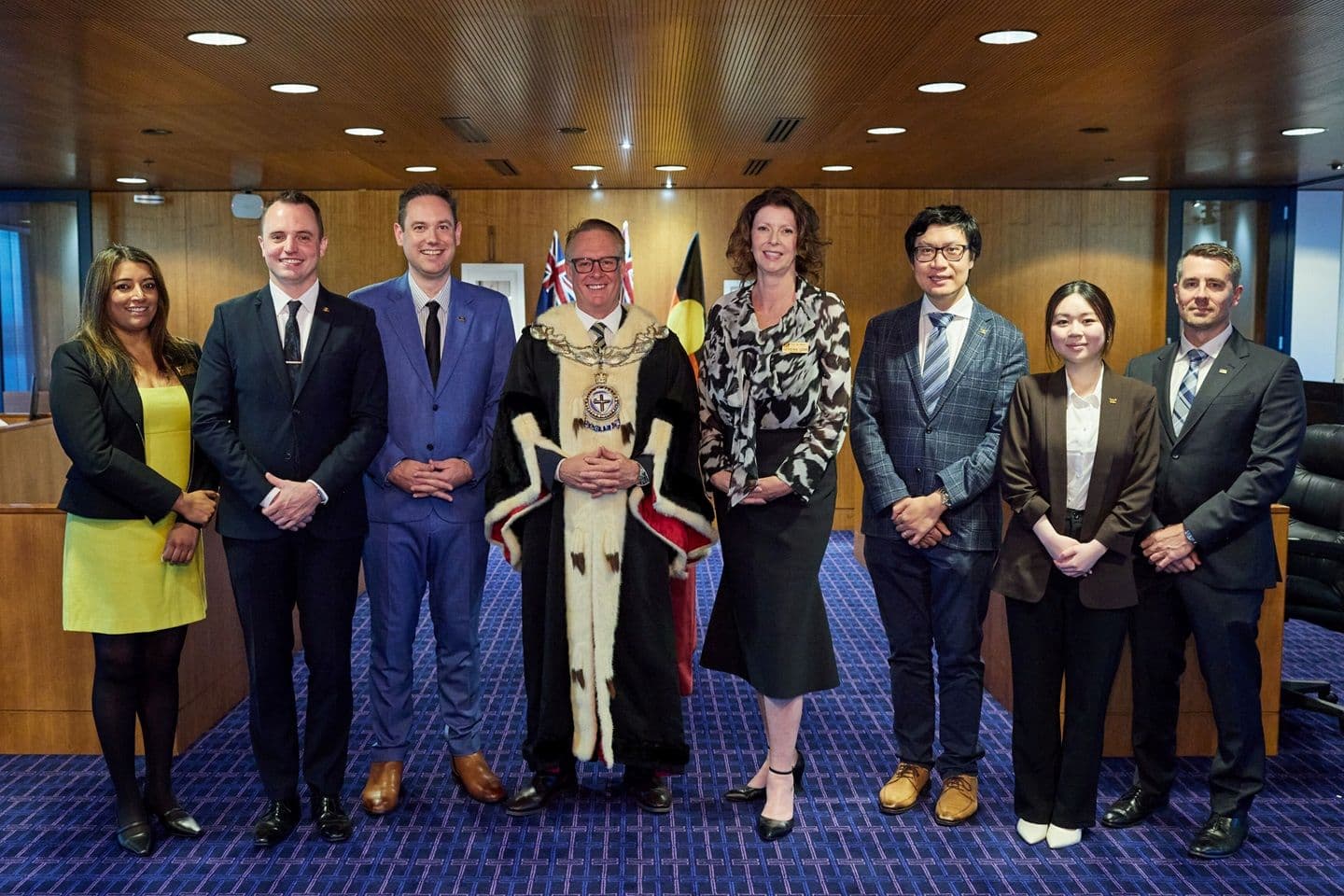
For a bank that has no branches, BNK Banking Corporation has spent the past few months making a very old-fashioned decision: who gets the corner office. On Tuesday, the ASX-listed lender removed the interim tags from its two most senior executives, confirming Steve Kinsella as chief executive and Judith Newman as chief financial officer. The move ends a period of limbo that began on April 2, when former CEO Allan Savins departed and the pair were handed the reins on a temporary basis. Now, with regulatory approvals still pending, the leadership team is locked in — and the mandate is clear.
The numbers behind this transition tell the story of a bank that is quietly shedding its conservative past. BNK's commercial loan book has surged past $210 million, a 100 percent jump from the same time last year. Total loans sit at $984 million, deposits top $1.027 billion, and the bank posted a statutory profit after tax of $414,000 for the last quarter, with a net interest margin of 2.11 percent. None of these figures scream 'empire' — but they do point to a bank that has found a gear. The question now is whether Kinsella, a former CBA institutional banking CFO and ABN Amro finance chief who has worked in London and across Asia Pacific, can sustain that momentum.
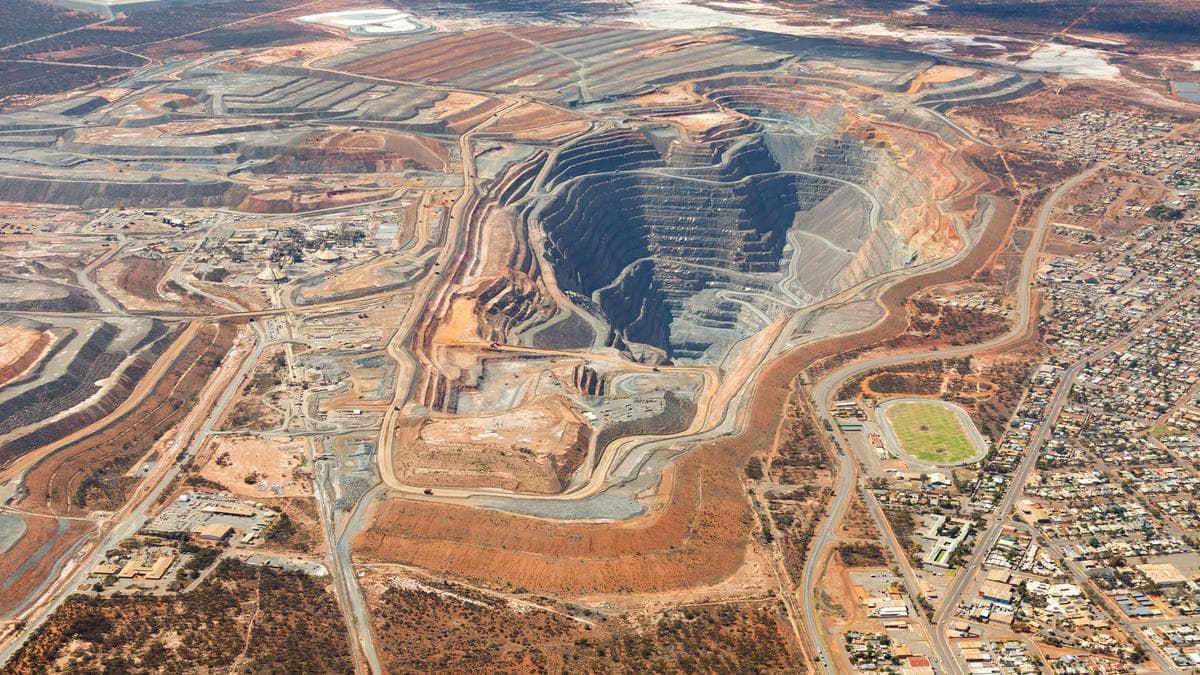
To understand why this matters, you need to know where BNK came from. This is not a slick fintech born in a Sydney incubator. BNK started life in 1982 as the Goldfields Credit Union in Kalgoorlie, a dusty mining town in Western Australia where gold rushes built the local economy and credit unions were the financial backbone of working families. Over four decades, it has morphed into a 100 percent online, branchless operation — a transformation that mirrors the broader shift in Australian banking, where the big four are closing branches in regional towns while nimble digital lenders snap up the customers left behind. But BNK is not trying to be another neobank chasing millennials with flashy apps; it is deliberately pivoting away from residential home loans toward higher-margin segments like small and medium enterprise lending and structured credit.
That strategic shift is the real news here. Appointing a permanent CEO and CFO is housekeeping; the strategy they will execute is the story. For an international reader, think of it this way: Australia's banking sector is one of the most concentrated in the developed world, with the big four controlling roughly 80 percent of home lending. That leaves smaller players fighting for scraps in a market where margins are thin and regulation is heavy. BNK's answer is to stop fighting the big banks on their home turf and instead target the SME sector — the engine room of the Australian economy, where businesses are often underserved by lenders who prefer the safety of residential mortgages. It is a bet that structured credit and commercial lending can deliver fatter returns than the commoditised home loan market.
For those who follow capital flows in Oceania, the significance is twofold. First, it confirms that the branchless model is no longer an experiment; it is the default for new entrants, and even legacy institutions like BNK are fully committed to it. Second, it signals that Australian banks are increasingly looking beyond the residential property market, which has been the country's economic obsession for decades. With housing prices cooling and regulators tightening lending standards, the smart money is moving toward business credit. Kinsella's background — institutional banking at CBA, international CFO roles at ABN Amro — suggests he understands the risk and reward of commercial lending better than most.
What happens next will be watched closely. BNK is small enough to be agile but large enough to matter, and its leadership team now has the mandate — and the regulatory runway — to execute without distraction. The interim tag is gone; the real work begins. For a bank born in a gold rush town, the next chapter is about finding gold in a different kind of ground: the balance sheets of Australia's small businesses.