Beltone and Amtaar Bet EGP 2 Billion That Egyptians Will Buy Real Estate in Slices
Beltone Asset Management and Amtaar Capital are building a multi-issuance real estate fund targeting EGP 2 billion, with units from EGP 1,000.
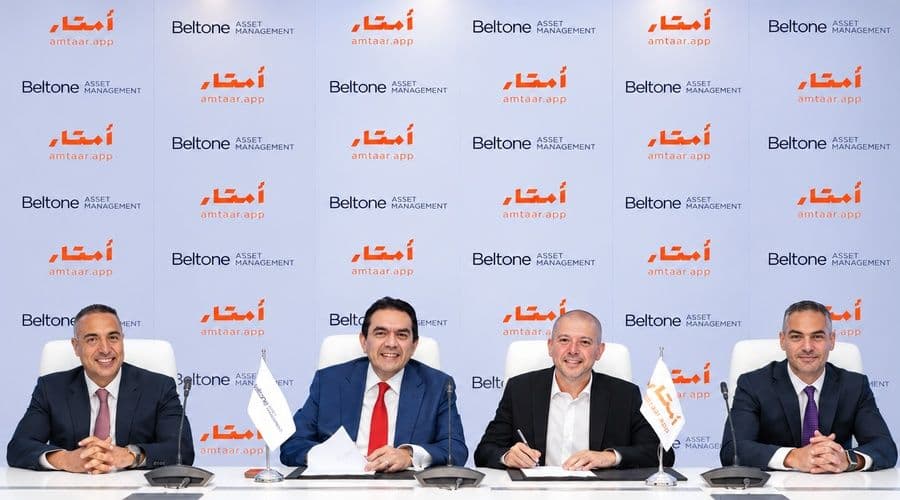
In Egypt, the surest way to store wealth has long been to buy a flat and rent it out. The problem is arithmetic: a decent apartment in a decent Cairo district demands capital most households will never assemble, and putting everything into one door concentrates risk in a single building, a single street, a single tenant. Now two Egyptian firms want to sell that same asset class in slices. Beltone Asset Management, a subsidiary of Beltone Holding, and Amtaar Capital have partnered on a multi-issuance real estate investment fund with total targeted issuances of EGP 2 billion — roughly $38 million. The fund is still under establishment, and its first issuance is expected to land between EGP 500 million and EGP 700 million.
The mechanics matter more than the headline figure. Beltone will establish and manage the fund and oversee asset selection; Amtaar supplies the digital platform through which investors subscribe to the first issuance. Entry starts at EGP 1,000. Unit holders gain exposure to income-generating property rather than owning a whole building outright, with potential returns from rental income and capital appreciation, subject to the fund's strategy and terms. Khaled Darwish, chief executive of Beltone Asset Management, framed the pitch plainly: direct ownership demands serious capital and tends to concentrate an investor in one asset. Amr Afifi, co-founder and CEO of Amtaar Capital, describes the tie-up as pairing Amtaar's digital real estate ecosystem with Beltone's investment management expertise.
For readers outside the region, both names deserve context. Beltone is one of Egypt's better-known financial houses, with asset management as a core franchise — the kind of institution that structures and shepherds pooled vehicles. Amtaar is a younger creature: a fractional real estate investment platform, part of a wave of Egyptian startups betting that smartphones and small tickets can unlock property markets historically reserved for the already wealthy. That combination — an established licensed manager plus a consumer-facing app — is the template now spreading across the Gulf and North Africa, where regulators have grown more comfortable with fractional and securitised property exposure.
The timing is telling. Egypt has spent recent years battling currency pressure and inflation that eroded the value of pound-denominated savings, pushing households toward hard assets. Property has been the default hedge, but the entry price kept rising. A fund that lets a schoolteacher or a mid-level engineer hold a sliver of a professionally selected income-producing portfolio is, in effect, a bid to democratise the country's favourite inflation shelter. It also gives Beltone a retail distribution channel it would otherwise have to build, and gives Amtaar institutional credibility and a pipeline of products to sell.
Sceptics will note what is not yet proven. The fund is still being established, the first issuance has not closed, and the returns depend entirely on the assets Beltone selects and the rental market's performance. Fractional property platforms elsewhere have struggled with liquidity — investors can buy units far more easily than they can exit them — and Egyptian retail investors, burned before, may want to see a track record before committing meaningful sums. The EGP 1,000 entry point lowers the barrier, but it also invites scrutiny of fees, disclosure and how unit pricing will work.
Still, the direction of travel is clear. Middle East wealth is no longer only about sovereign funds writing billion-dollar cheques or family offices buying trophy towers in London. It is increasingly about building domestic channels that let ordinary savers participate in the same asset classes the wealthy have always used. If Beltone and Amtaar can demonstrate that this fund performs and that investors can get in and out without friction, they will have done more than launch a product — they will have shown Egypt's capital markets that small tickets, aggregated at scale, are a business worth chasing.