Auric's Munda gold mine turns $28M profit, setting sights on mine-to-mill future
Auric Mining posts $28M half-year profit from WA gold, fueled by Munda mine, cash reserves, and Burbanks mill expansion plans.
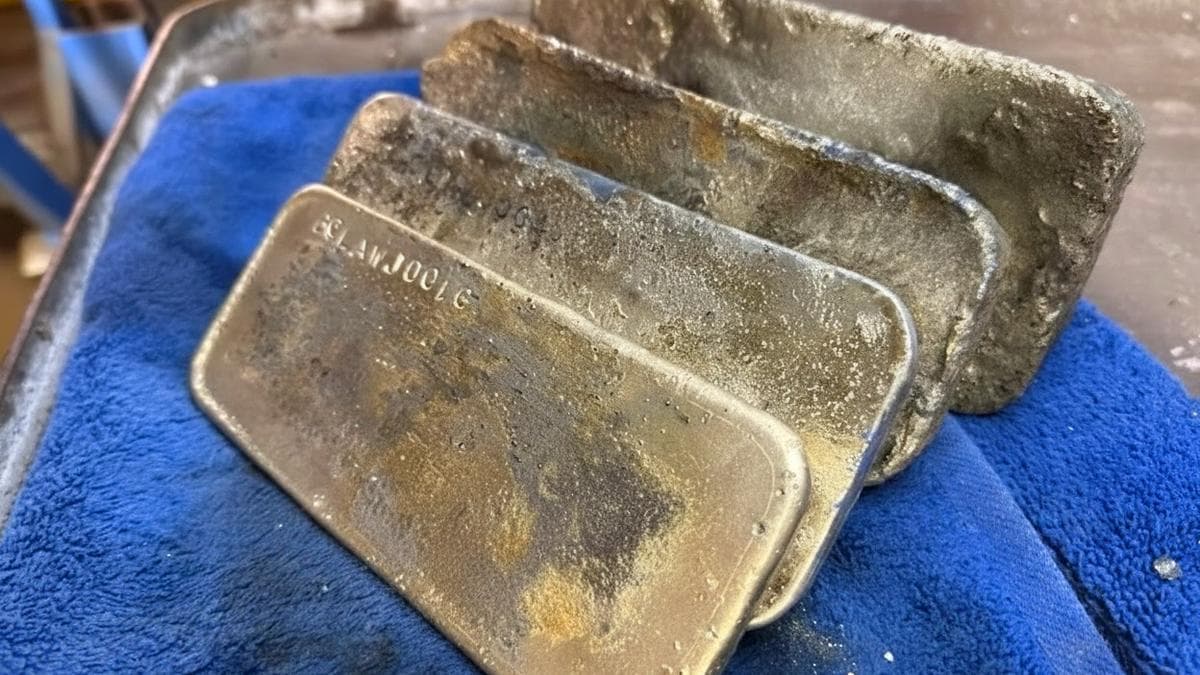
For anyone tracking the pulse of Western Australia's goldfields, the numbers coming out of Auric Mining this week read less like a quarterly report and more like a declaration of intent. The ASX-listed junior has banked a stunning $28 million net profit before tax for the half-year to June, a thunderous swing from the modest $1.35 million loss it posted in the same stretch last year. In a sector where small players often talk big and deliver little, Auric has produced the kind of result that makes institutional investors sit up and take notice.
The engine behind this turnaround is the Munda gold mine, sitting near Widgiemooltha in the rugged country south of Kalgoorlie. During the half, Munda churned out 6,168 ounces of gold, pushing cumulative production from its so-called 'Starter Pit' to 8,886 ounces. The all-in sustaining cost came in at A$2,857 per ounce, a figure that looks almost quaint against a gold price hovering comfortably above A$6,000 an ounce. Total revenue hit $44.8 million, with net operating cash flow of $33.8 million flowing into the company's coffers. The balance sheet now shows total assets of $62 million, including a hefty $38 million cash pile, zero debt, and an unhedged position that leaves it fully exposed to the yellow metal's upside.
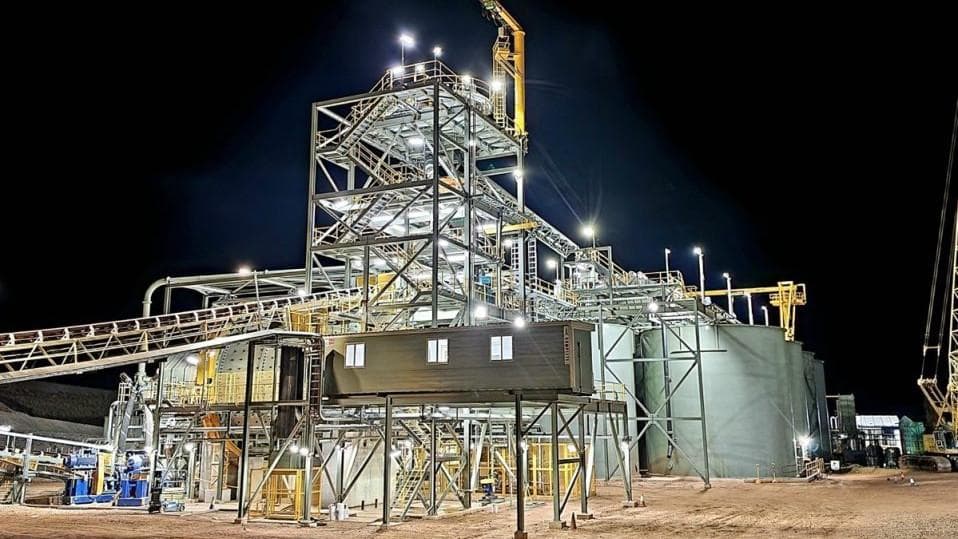
What makes this story distinctly Western Australian is the path Auric took to get here. The company's early success was built on a joint venture with BML Ventures at Jeffreys Find, a deal finalised last year that returned $16.5 million in cash from an initial outlay of just $1.2 million. That kind of return on investment is the stuff of goldfields legend, but Auric isn't resting on its laurels. The real prize, management argues, lies in becoming a fully integrated mine-to-mill producer. At the heart of that ambition is the 100 per cent-owned Burbanks processing plant, strategically positioned south of Coolgardie, just 70 kilometres north of Munda in the prolific Coolgardie-Widgiemooltha corridor. Plans are being dusted off to refurbish the facility and potentially expand its capacity from 180,000 tonnes per annum to a substantial 500,000 tonnes, a move that would slash reliance on third-party processors and let Auric capture far more value from every ounce it pulls from the ground.
For outsiders, it's worth understanding the local context. The WA goldfields are a world unto themselves, where juniors often live or die on the whims of toll milling agreements and the patience of financiers. Auric's disciplined approach—keeping costs low, avoiding debt, and banking cash rather than chasing speculative headlines—has set it apart in a landscape littered with cautionary tales. The Munda Starter Pit was conceived as a trial run, a way to prove the geology and the economics before committing to something bigger. It has spectacularly over-delivered, and the profits are now being ploughed back into a vision that extends far beyond the current pit shell.
That vision includes a much larger 'Main Pit' expansion at Munda, where some 194,000 ounces of shallow gold remain. A scoping study is already underway to assess the combined development of the bigger open pit alongside the refurbished Burbanks mill. Management also sees significant potential in accessing deeper, high-grade lodes beneath the planned pit through underground mining, pointing to a long-term future for the asset that could outlast the current gold cycle. With a war chest of cash, no debt, and a clear pathway to owning its own production infrastructure, Auric is starting to shape up as a serious WA gold producer-in-waiting.
What does this signal about capital and wealth in Oceania more broadly? It's a reminder that the region's resource sector remains a powerful generator of wealth, even as global markets wobble. Gold, in particular, has become a safe harbour for investors seeking stability, and companies like Auric that combine low-cost production with unhedged exposure are well positioned to ride that wave. The shift towards vertical integration—owning the mine, the mill, and the margin—reflects a maturing of the junior mining model, where survival depends not just on finding gold, but on controlling the entire value chain.
Looking ahead, the next twelve months will be telling. If the scoping study at Munda and Burbanks delivers the numbers Auric hopes for, the company could transition from a profitable niche player to a mid-tier producer with a genuine long-term future. The gold price may fluctuate, but Auric's balance sheet gives it the flexibility to weather storms that would sink less prudent rivals. For those watching Oceania's wealth generation, Auric is a name worth keeping on the radar—not just for the profits it has banked, but for the infrastructure it is quietly building to secure the next decade of growth.