Asia's family offices pivot to brain tech as healthcare deals surge
Asian family offices are shifting portfolios toward brain-computer interfaces and surgical robotics as regional healthcare deals nearly double, signaling a structural bet on aging demographics.

Walk into any serious family office in Hong Kong these days and the conversation has shifted from property and fintech to something far more clinical: brain-computer interfaces, surgical robots, and the quiet revolution happening in operating rooms across Asia. The pitch decks have changed, the jargon is more biological, and the money is following a simple demographic truth — Asia is getting older, and the region's wealthiest families are placing long-term bets on the science that will keep them healthy.
That shift is now measurable. According to Bain & Company data released last week, the number of healthcare private equity funds involved in Asia-Pacific deals nearly doubled to 129 in the first half of this year, up from 66 a year earlier. Globally, the sector logged 184 buyout deals over the same period, though total disclosed deal value fell 18 percent year on year to US$51 billion. The Asia numbers tell a different story — one of accelerating interest even as global valuations cool.
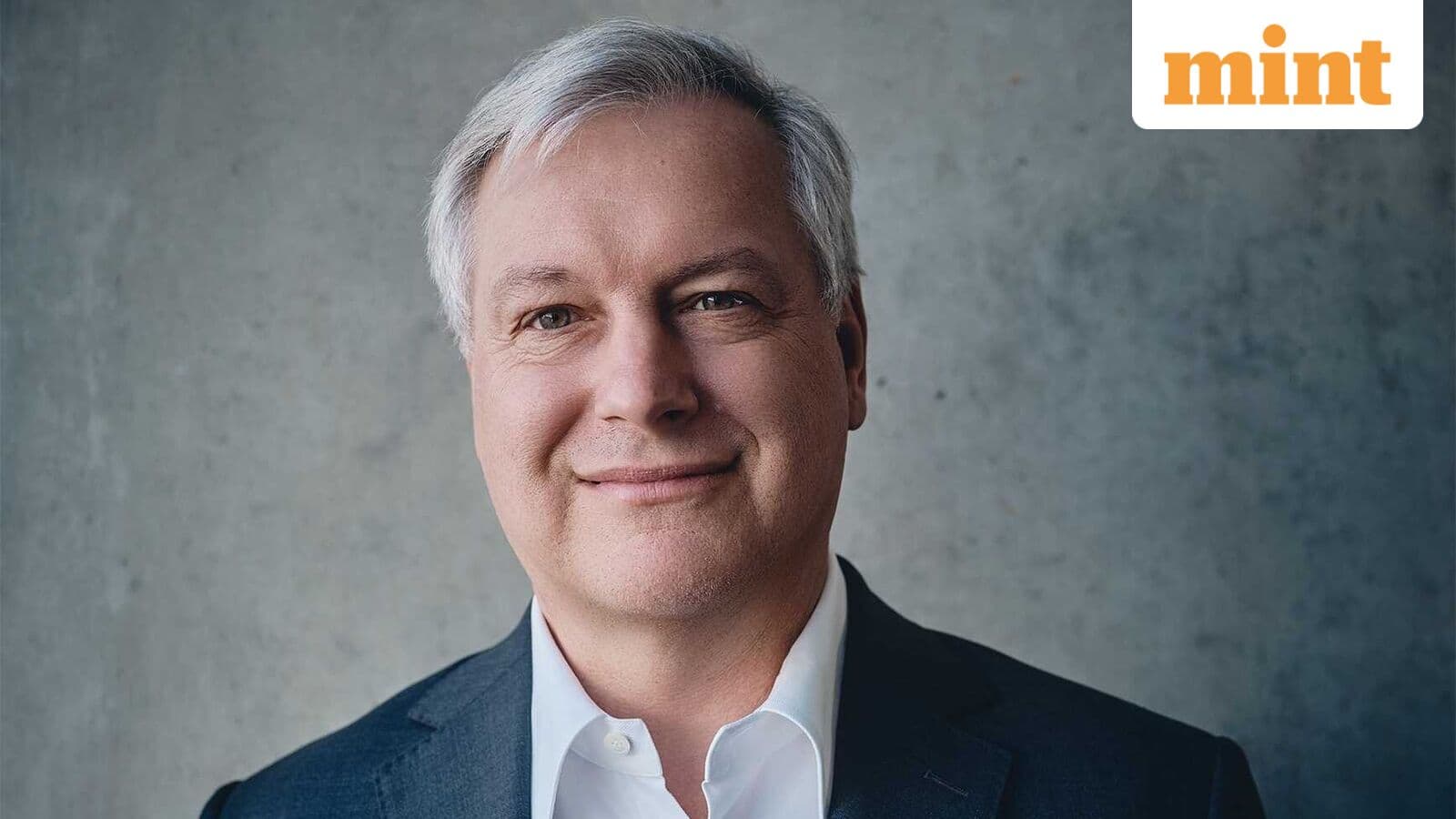
William Chow, deputy group CEO of Raffles Family Office, which manages about US$2 billion in assets from its Hong Kong and Singapore bases, says the conversations have changed dramatically in just a couple of years. Surgical robotics and brain-computer interfaces now come up far more often than they did before. "Asia is ageing, so there's a structural, long-term demand for better surgery and medicine," Chow said. "A lot of the innovation is happening right here in Asia." For outsiders, it's worth understanding that Raffles Family Office is not a boutique player — it's a bellwether for how multi-generational wealth in the region is being redeployed.
The deeper context here is China's biotech boom, which has quietly become one of the most consequential capital flows in Asia. The region's family offices, traditionally conservative and heavily weighted toward real estate and public equities, are now looking at medical technology as a hedge against demographic decline and a play on domestic innovation. The technology itself is moving from the lab into the clinic. At a panel discussion on Friday, a speaker named Hu described how AI adoption is shifting from drug discovery into clinical use — placing sensors in surgical tools to give surgeons real-time feedback on disease status, allowing them to pivot mid-procedure. That is no longer science fiction; it's the kind of deal pipeline family offices are being pitched on weekly.
This matters beyond the balance sheets. For decades, Asia's wealthy have looked to the West for cutting-edge healthcare — flying to Singapore, the US, or Europe for treatment. That calculus is reversing. The innovation is increasingly homegrown, and the capital to commercialize it is staying regional. Family offices are not just passive investors here; they are becoming anchor partners for startups that might otherwise seek Silicon Valley funding. The doubling of healthcare PE funds in Asia-Pacific deal activity signals that this is not a fad but a structural rotation.
What comes next is the hard part: separating genuine breakthroughs from hype. Brain-computer interfaces and surgical robotics are complex, capital-intensive fields with long regulatory timelines. But for family offices that think in generations rather than quarters, that patience is an advantage. As Asia's wealth continues to compound and its population continues to age, the families that positioned themselves early in this sector may find they've backed not just profitable companies, but the very infrastructure of their own longevity. The deals are getting done, the technology is maturing, and the region's richest are betting that the next great Asian export won't be chips or cars — it will be the science of keeping people alive better.