Arab Therapy's $2M bet on Arabic-first mental health signals a new era for regional startups
Jordanian-founded Arab Therapy raises $2M pre-Series A to scale AI mental health across Saudi Arabia and MENA, led by Manara Ventures.
For years, the Middle East's mental health conversation happened in whispers, in private clinics, or not at all. Now, a Berlin-born, Jordanian-founded startup is betting that the region's 400 million Arabic speakers are ready to talk — and pay for it. Arab Therapy's $2 million pre-Series A round, announced this week, is more than a funding milestone. It's a signal that the region's wealth ecosystem is finally taking seriously a market that has been underserved, underfunded, and too often dismissed as taboo.
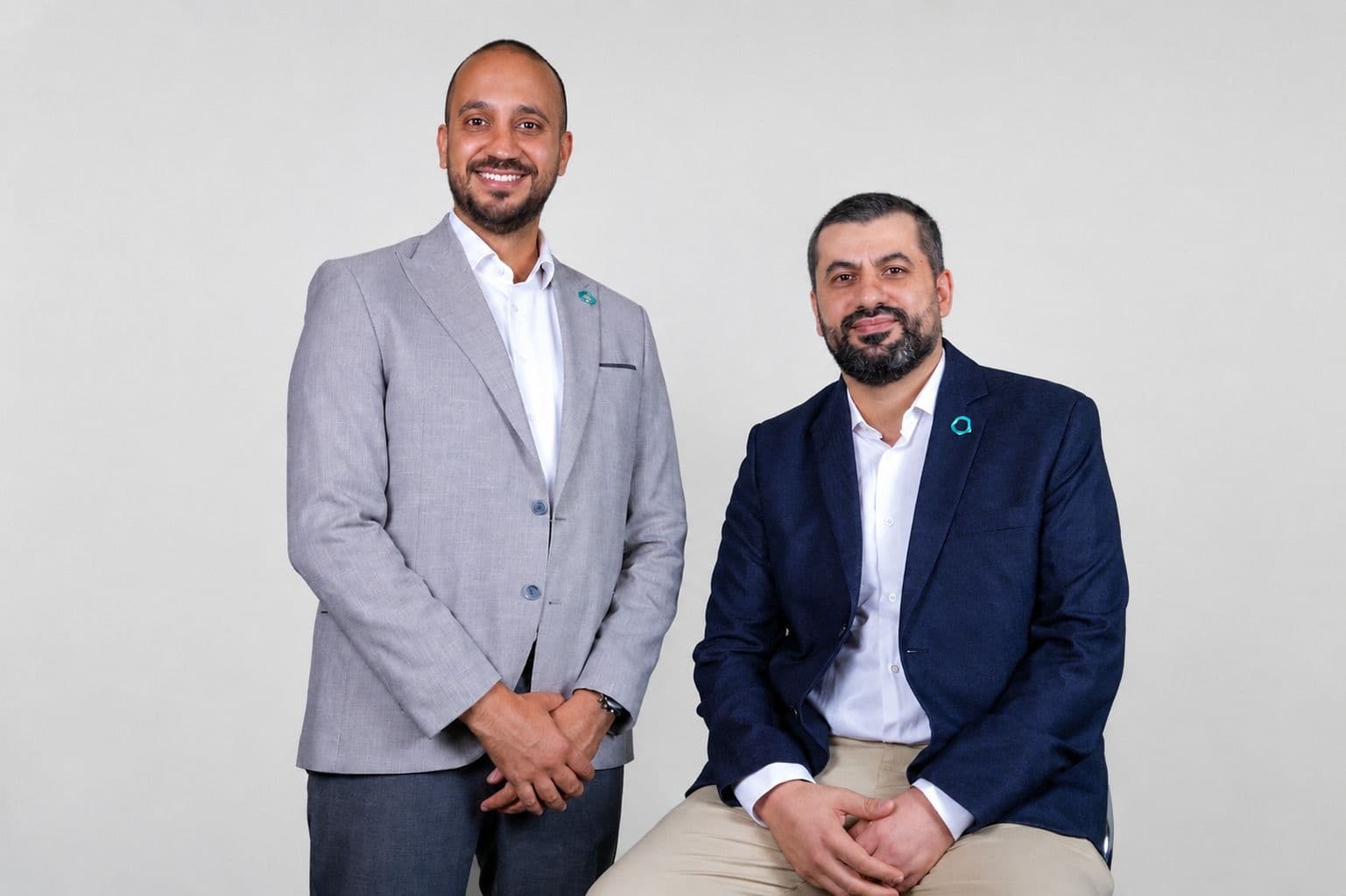
The round was led by Manara Ventures, a Jordan-based investor, with participation from Anara Impact Fund, which focuses on the MENA region, and Saudi Arabia's Value Makers Studio (VMS). The startup, founded in 2021 by Dr. Tareq Dalbah, a physician, and Hekmat Al Hasi, a technologist, operates across both consumer and corporate channels. It offers online therapy sessions with licensed specialists, a library of mental health content, and AI-powered tools designed specifically for Arabic speakers. The platform's clinical framework is supervised by professionals affiliated with the University of Hamburg, adding a layer of academic credibility that matters in a region where trust in digital health is still being built.
This is not Arab Therapy's first institutional check. In April 2024, the company closed a $1 million seed round led by Flat6Labs and Vision Health Pioneers. That earlier backing helped the startup establish a footprint across Jordan, Saudi Arabia, Egypt, and Germany. The new capital will accelerate expansion in Saudi Arabia — the region's deepest pocket and most ambitious health-tech market — and across the wider Middle East. For an outsider, the Saudi focus might seem obvious: it's the largest economy in the Arab world, with a young population and a government pouring billions into healthcare transformation under Vision 2030. But the deeper story is about cultural fit. Most global digital mental health platforms are English-first, clinically generic, and tone-deaf to the region's social norms. Arab Therapy's bet is that an Arabic-first, culturally calibrated product — one that respects family dynamics, religious sensitivities, and the stigma that still surrounds therapy — can win where Western platforms have failed.
The investor mix is telling. Manara Ventures is a Jordanian firm backing a Jordanian founder story, and its managing director, Luma Fawaz, framed the investment as proof that "Jordan is on the map" for regional tech. That matters in a startup scene often overshadowed by Gulf capital. Anara Impact Fund, meanwhile, signals a growing appetite among impact investors for ventures that address social gaps — in this case, a mental health infrastructure that the WHO says remains critically under-resourced across the region. And VMS, a Saudi player, points to where the growth is expected to come from: the Kingdom, where corporate wellness programs are becoming a hiring and retention tool, and where the government is actively pushing mental health into the public conversation.
What this deal says about Middle East wealth is subtle but significant. For years, regional capital chased real estate, fintech, and e-commerce — sectors with clear, fast returns. Mental health was seen as a charity issue, not a business. Arab Therapy's round, modest by Gulf standards, challenges that assumption. It suggests a maturing investor class that understands the region's demographic tailwinds: a young, digitally native population, rising awareness of mental wellbeing, and a diaspora of 30 to 50 million Arabic speakers who are often underserved by English-language platforms. The B2B model is particularly smart — selling to corporations that want to improve employee wellbeing at scale avoids the stigma of individual therapy while creating a recurring revenue stream.
But the real test is execution. Raising money is one thing; building a platform that Arabs actually trust with their deepest anxieties is another. The founders know this. Dalbah has spoken about founding the company because millions in the region lacked access to support in their own language, in a way that fit their culture. That mission now has more capital behind it, and a clearer path into Saudi Arabia. If Arab Therapy can prove that Arabic-first, AI-enabled mental healthcare is not just viable but profitable, it won't just grow its own business — it will open the door for a wave of health-tech startups across the region. For investors and founders watching the Middle East, this is a quiet but telling signal: the next big market isn't in oil, gold, or even fintech. It's in the mind.