Aniebo of Goania Project Says Lagos Developers Underprice Titles, Drainage and Community Deals
Goania Project MD Godfrey Aniebo tells Nairametrics how Lagos developers underestimate title perfection, drainage and community costs — and why that blocks affordable housing.
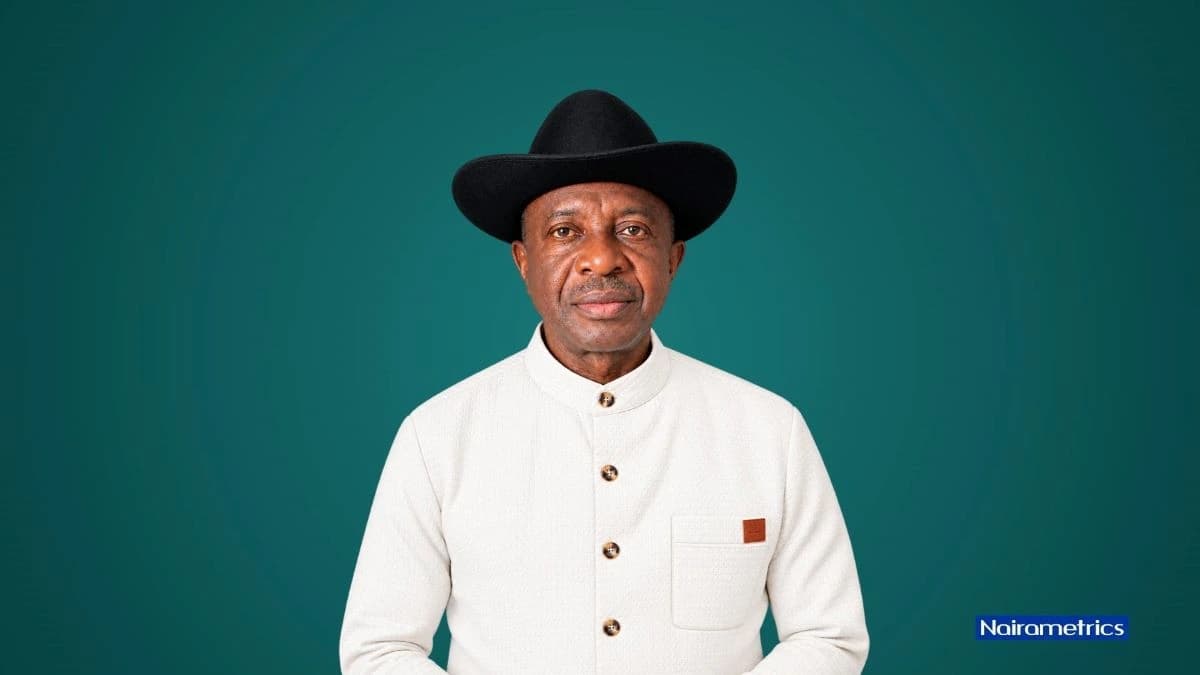
In Lagos, the costliest line in a property budget is often the one nobody wrote down. Godfrey C. Aniebo, managing director and co-founder of Goania Project Limited, a Lagos-based town planning consultancy, has watched developers price the obvious — cement, labour, land — and then discover, mid-build, the expenses that decide whether a project makes money or bleeds it.
Speaking exclusively to Nairametrics, Aniebo laid out the recurring blind spots. Title perfection comes first: excision, Certificates of Occupancy, e-GIS searches and title validation all carry real costs, and buying unverified family land can drag a developer into disputes that are expensive to resolve. Then come planning approvals — EPPPS submissions, professional fees, environmental assessments, drainage studies and traffic impact assessments — each demanding time and money. Drainage and sand-filling loom large in areas such as Ibeju-Lekki, where ground conditions can require substantial filling and careful attention to setbacks. Community engagement is another overlooked item: unresolved obligations and informal demands from host communities can harden into disputes without proper agreements. Add compliance penalties for breaching planning, environmental and building rules, plus inflation in cement, diesel and labour that eats margins on homes already presold, and post-sales costs from buyer disputes, documentation gaps and estate management. Aniebo's prescription is an EPPPS pre-launch compliance checklist verifying land titles, approvals, infrastructure budgets and community agreements before marketing begins. Preparation, not sales, is where profitability starts.
Goania Project is a town planning consultancy rather than a developer, which gives Aniebo a particular vantage point on Lagos's construction boom. The firm sits in the unglamorous layer of the value chain — approvals, layout planning, compliance — where the city's skyline is quietly underwritten. Lagos remains one of Nigeria's most active property markets, driven by population growth, rising housing demand and the expansion of its urban centres. That growth is visible in Ibeju-Lekki, Epe and Ikorodu, where new estates push outward and infrastructure lags behind.
Aniebo's diagnosis of the affordability problem is blunt: the issue is not a shortage of houses but a shortage of properly planned, affordable ones. Most new developments chase high-income buyers, while teachers, young professionals and couples need functional studios and one- and two-bedroom apartments with room to expand. Approval costs feed directly into prices — when Layout Approval, EIA and Planning Permits from MPP&UD/LASPPPA take months and cost millions, developers pass the bill to buyers. Developers also carry infrastructure costs — sand-filling, roads, drainage — that government-led works in Ibeju-Lekki, Epe and Ikorodu could reduce. Locally sourced materials and faster construction technologies would lower building costs further. Accessible Certificates of Occupancy and single-digit mortgage rates are essential; without secure titles and affordable financing, residents cannot access mortgages or use land as collateral.
For international readers tracking African capital, Lagos illustrates a wider pattern. In markets where land records are messy and approvals slow, the returns accrue less to those who build than to those who navigate. Title insurance, compliance advisory and planning consultancies are becoming quiet gatekeepers of urban development, and the developers who treat them as line items rather than afterthoughts will be the ones still solvent when the cycle turns.
Aniebo's argument is ultimately about sequencing. Affordability has to be designed in from day one — through efficient layouts, shared infrastructure, streamlined approvals and mortgage financing that ordinary earners can reach. Lagos will keep growing either way. Whether that growth produces liveable neighbourhoods or a skyline of half-finished estates depends on how honestly developers cost the invisible.