A Tucumán startup bets drones and AI can make reforestation pay at scale
Argentine startup ReForest Latam raises $1M pre-seed led by iThink VC to scale AI-driven reforestation across South America.
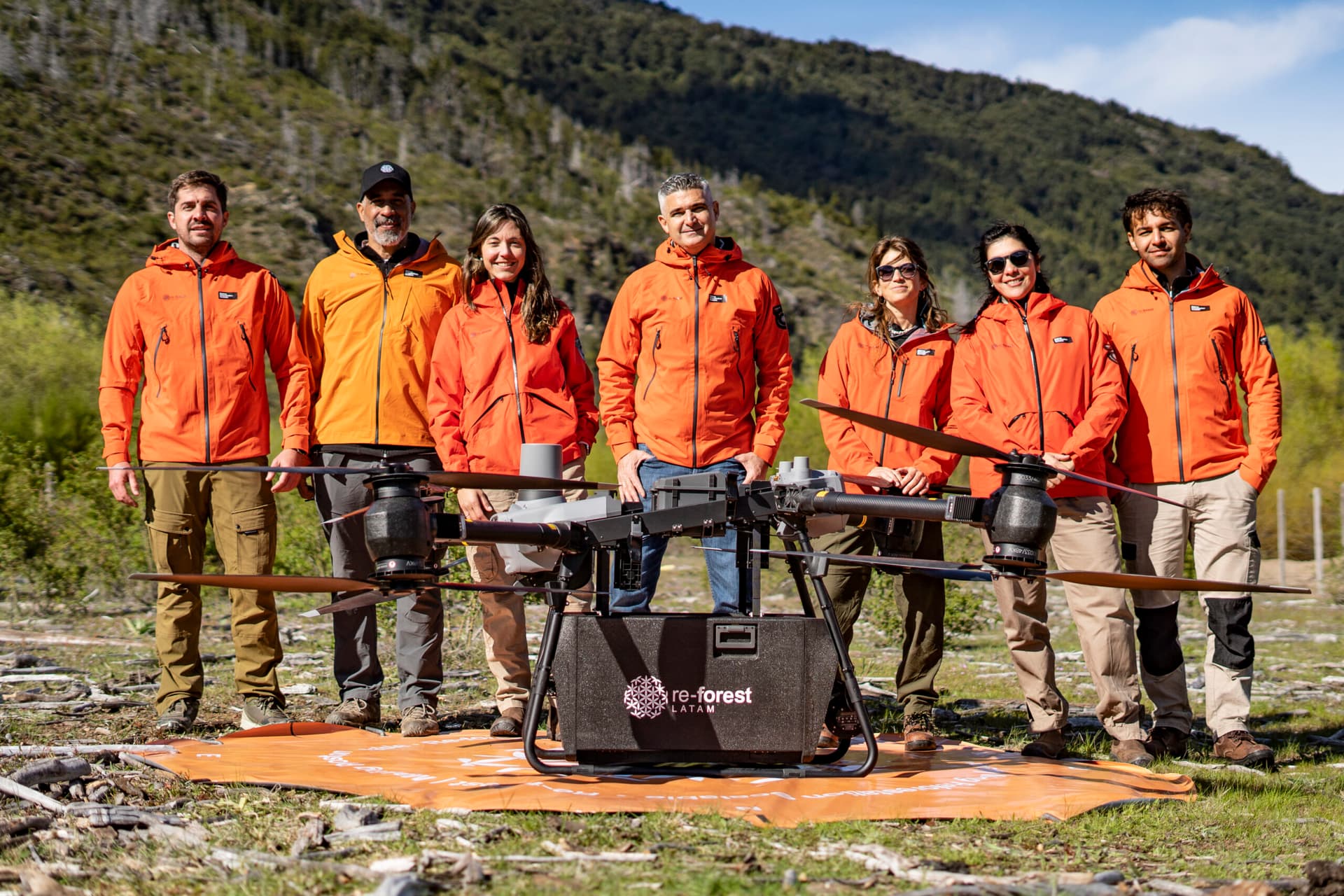
For anyone tracking where South American capital is heading, the news out of Tucumán this week is a small but telling signal. A two-year-old Argentine startup called ReForest Latam has closed a US$1 million pre-seed round, and the money is not going into another fintech app or a mining venture. It is going into trees — specifically, into a bet that biotechnology, drones and artificial intelligence can restore degraded land faster and cheaper than the old methods ever could.
The round was led by iThink VC, with participation from Innventure AgriFood Tech, Antom, BP Soluciones Electricas Confiables, Amauta Inversiones Financieras and a group of angel investors. The founders, Damián Rivadeneira and Paula Gianserra, bootstrapped the company for nearly two and a half years before taking outside money. That alone tells you something about their patience. The capital will be used to scale the technology, run key pilots and strengthen the team. Already, the company says it has 14 projects in Argentina, Bolivia and Brazil, and it claims its proprietary approach cuts implementation times by 95% and costs per hectare by up to 75%.
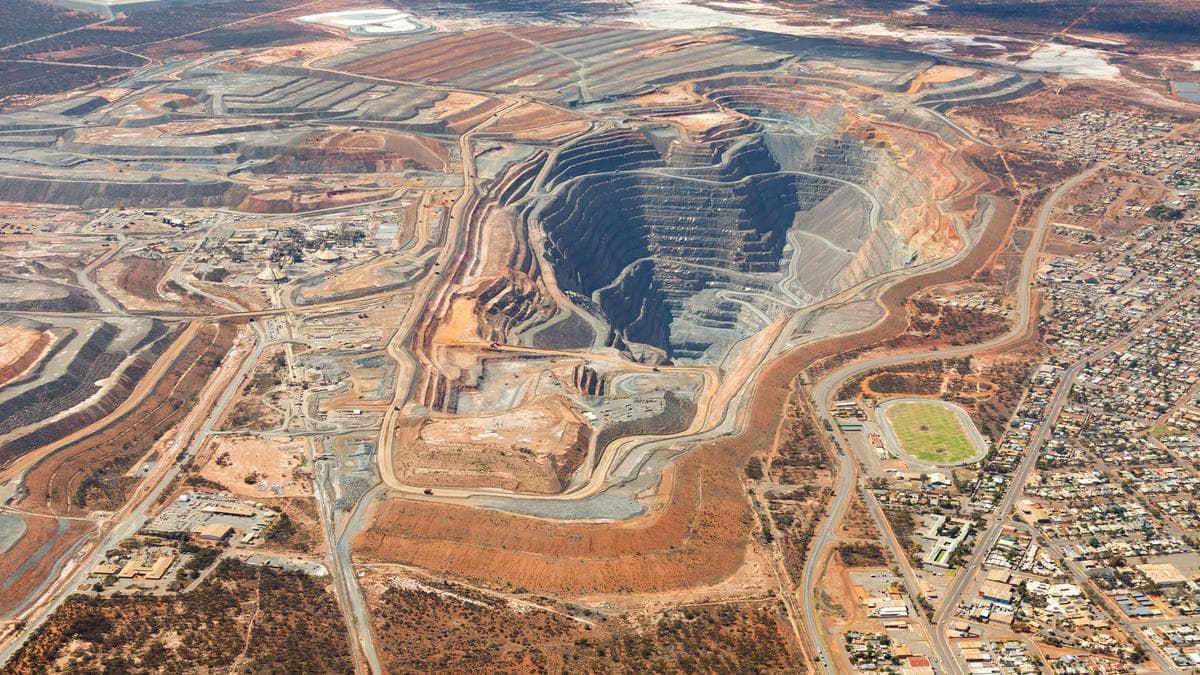
To understand why this matters, you need to know a bit about the landscape — literally. Much of South America's degraded land is the result of fires, extensive cattle ranching and selective logging, particularly in the Gran Chaco and parts of the Amazon basin. Traditional reforestation is slow, labour-intensive and expensive, which is why so many well-intentioned restoration projects stall after the first planting season. ReForest Latam, founded in 2023 in Tucumán, is trying to change that by using AI to analyse soil conditions and determine which species will thrive in each site, then deploying drones and biotech-enhanced seeds to get the job done at a fraction of the usual cost. Rivadeneira puts it bluntly: traditional methods don't scale, and that frustration — combined with the environmental urgency of his generation — drove him to build a technological alternative.
The fact that this round happened at all is noteworthy in the current South American funding climate. Early-stage venture capital here remains cautious, and climate tech has often been treated as a nice-to-have rather than a serious asset class. But the investor list suggests that is shifting. The participation of agrifood tech funds and energy-related investors points to a growing recognition that ecological restoration is not just an environmental issue — it is an infrastructure issue, a supply-chain issue and, increasingly, a financial one. The global carbon market is the obvious prize, and ReForest Latam has set its sights on it, with a stated goal by 2029 to be operating in at least seven countries and working with climate funds, multilateral banks and corporations committed to regeneration.
There is a broader story here about where South American wealth is flowing. For decades, the region's fortunes have been tied to extractive industries — soy, beef, lithium, copper — often at the expense of the land itself. The rise of startups like ReForest Latam signals a generational shift among founders and investors who see restoration as a business opportunity, not charity. The company's founders spent years working on restoration projects with traditional methods and saw firsthand why those efforts fail. Their bet is that technology can make regeneration scalable, measurable and profitable enough to attract serious capital. The early traction across three countries suggests the model has some real-world validity, though the hard part — proving it at thousands of hectares annually — is still ahead.
What happens next will be watched closely by anyone with money in Latin American carbon markets or regenerative agriculture. If ReForest Latam can deliver on its cost and time reductions at scale, it could become a template for how the region approaches its vast degraded lands. If it stumbles, it will be another cautionary tale about the gap between lab innovation and field reality. Either way, the fact that an Argentine startup has convinced international investors to back a technology-first approach to reforestation is a sign that the region's capital is beginning to look beyond extraction — and that the next boom might just be green.