A Teen's Death in a Greek Shower Exposes the Hidden Danger in Holiday Rentals
The electrocution of 17-year-old Alex McKee in a Greek holiday home has sparked urgent calls for safety checks on tourist accommodation, highlighting a global gap in regulatory oversight. His death underscores the need for smart, tamper-proof electrical safety systems in the short-term rental market.
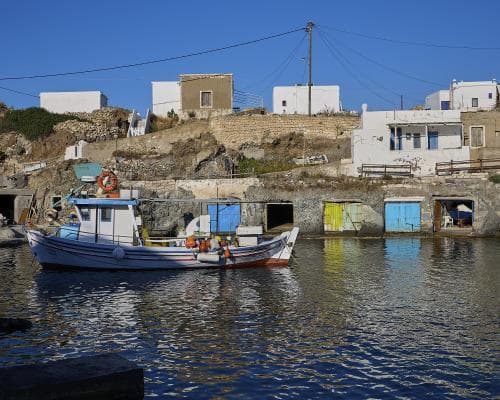
The showerhead was the last thing Alex McKee ever touched. On a sweltering August afternoon on the Aegean island of Kimolos, the 17-year-old from Cork reached for it and was killed instantly by a surge of electricity. His mother, hearing his cry, rushed in and felt the same jolt—a shock that could have claimed her life too. The doctor who later treated her told Greek TV, "We are lucky there weren't two deaths." The culprit, police say, was a faulty water heater and a fusebox that likely lacked a safety valve. A stone house built 50 years ago, rented to a family who knew it well, became a death trap.
This is not just a tragic accident. It is a warning shot for a booming industry that has outpaced its own safety net. Short-term rentals in Greece—and across the Mediterranean—have exploded in the past decade, with platforms like Airbnb and Booking.com turning ordinary homes into tourist accommodation overnight. But regulation has lagged. In Greece, a legal framework for short-term rentals exists, but inspections are notoriously patchy. As one local official admitted, "The house has been cordoned off and we have requested an independent expert to come and inspect the wiring." That's after the fact. The question now is: how many more homes are ticking time bombs?
Alex McKee wasn't just a victim; he was a builder of futures. The fifth-year student had won plaudits in Ireland for developing an innovative communication system for people with nonverbal autism, alongside two classmates. His death has struck a chord far beyond the island, prompting tributes from politicians like Colm Burke, who called him "a really talented young person with his whole life and huge career ahead of him." But the grief is now fused with anger. Irish and Greek authorities are in talks about how to prevent similar deaths, and there are growing calls for mandatory electrical safety certificates for all tourist rentals.
The technology to prevent this exists—and it's not exotic. Residual current devices (RCDs), which cut power in milliseconds when they detect a leak, are cheap, reliable, and standard in new builds across most of Europe. But in older properties, especially in rural or island settings, they are often missing. The fix is not just about regulation; it's about retrofitting. Companies like Eaton and Schneider Electric make smart circuit breakers that can be monitored remotely, alerting owners to faults before they turn lethal. These systems are already used in high-end hotels and industrial sites. The challenge is making them ubiquitous in the holiday rental market, where cost and indifference have long trumped safety.
The market context is stark. Short-term rentals are a $100 billion global industry, and Greece is one of its hottest hotspots, with over 200,000 listings. Yet there is no universal safety standard. The EU has moved to regulate platforms for tax and data, but not for physical safety. This death could be the catalyst for change. In the same way that the Grenfell Tower fire in London led to a global rethink of cladding materials, Alex McKee's death could force a reckoning with electrical safety in the sharing economy. It's a slow, bureaucratic process, but tragedies have a way of accelerating it.
What happens next will be watched closely by insurers, platform giants, and safety-tech startups alike. If Greece—or the EU—mandates inspections, the cost will ripple through the industry. Rental prices may rise, but so will standards. And in that pressure, there's an opportunity for innovation: startups that offer drone-based wiring inspections, AI-driven predictive maintenance, or even retrofitted smart fuseboxes could find a booming market. The boy who built a communication tool for the voiceless has now, inadvertently, given a voice to a silent danger.
Alex McKee's story is not just about a faulty wire. It's about the gap between the world we've built and the world we think we've built. The sharing economy promised freedom and flexibility, but it also outsourced trust. Now, a family in Cork is burying their son, and a Greek island is questioning its own hospitality. The technology to prevent this is simple. The will to implement it is what's missing. As the summer season winds down, the calls for change are growing louder. The question is whether the industry will listen before the next showerhead delivers its final shock.