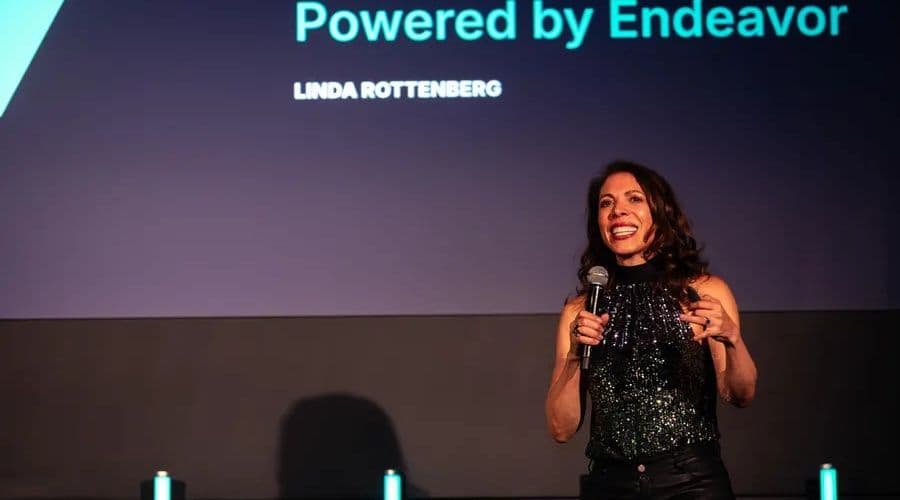
WA talks up its energy future at Norway's ONS as coal exit looms
WA Minister Stephen Dawson tells global oil and gas leaders in Stavanger the state can help solve 'crazy' energy challenges while quitting coal by 2030.
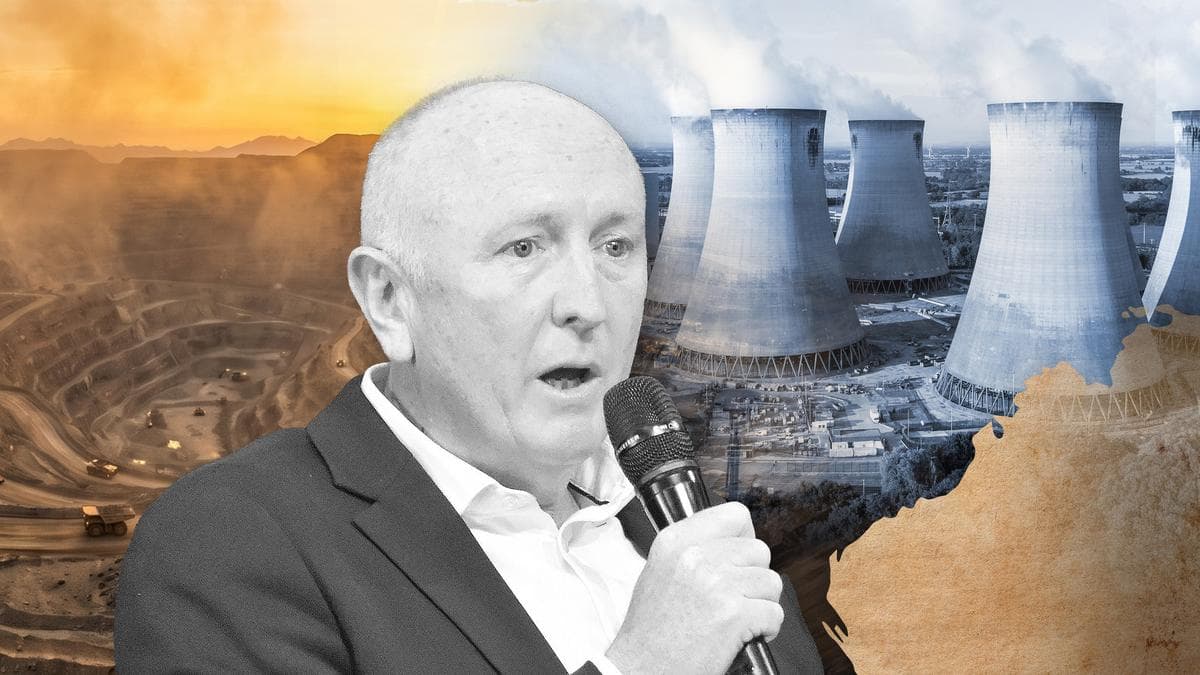
The wattle blossoms and free Tim-Tams on the Western Australian stand at the ONS Conference in Stavanger might have seemed like a touch of home for a state so far from Europe. But the message from Perth’s Regional Development Minister, Stephen Dawson, was aimed squarely at the global energy elite milling around Norway’s biggest oil and gas trade show: this isolated corner of the Indian Ocean believes it has answers to problems that are making the rest of the world nervous.
Dawson told the conference, where Europe’s top gas and oil companies gather to court investors and show off technology, that the world is wrestling with “crazy challenges” — climate change, energy security, geopolitical shocks, fractured supply chains — and that Western Australia is positioned as a kind of problem-solving pit stop. His pitch hinged on a simple but striking ambition: WA still intends to be the first Australian state to switch off coal, retiring its state-owned coal-fired power stations by 2030 and reaching net zero by 2050. That is no small promise for a place that runs its own grid, isolated from the rest of the country.
What outsiders often miss is just how unusual WA’s energy system is. Unlike the eastern states, it is not plugged into a national electricity network. There is no exporting power to a neighbour when demand spikes; the state must manage its own reliability and resilience. Dawson made that point explicitly, noting that this self-contained system means the transition away from coal demands a fundamental rebuild — more renewables, more transmission, more storage, and crucially, more flexible gas generation to back it up. Gas, a fossil fuel that emits roughly half the carbon of coal, remains central to the plan, especially as WA pushes into critical minerals processing that needs reliable, round-the-clock power.
The timing is awkward, though. Green hydrogen — once touted as the great successor to coal — took a serious blow last year when billionaire Andrew Forrest, its loudest champion in Australia, abandoned his flagship projects. Forrest repaid $20 million of the $33 million in federal grants he had received and recently settled a $66 million dispute with the Queensland government over a promised Gladstone plant. Dawson did not shy away from the setback, insisting hydrogen is still poised to play a role, but the reality is that WA’s immediate future is gas-heavy, not hydrogen-heavy.
For anyone tracking capital flows in Oceania, this matters beyond the ministerial speeches. WA is already the country’s energy powerhouse, and its pitch to global investors is built on stability and long-term opportunity in a world where both are scarce. The state government commissioned a giant stand at ONS, decorated with native flowers and stocked with Tim-Tams — a soft-power exercise designed to remind European executives that Perth is open for business. Among those working the room was Francis Norman, Perth-based CEO of the Centre of Decommissioning Australia, who noted that while oil and gas companies compete fiercely on everything else, they cooperate when it comes to plugging old wells and removing rigs. Australia can learn from Norway’s decades of decommissioning expertise, and vice versa.
The politics back home are less harmonious. National Party leader Matt Canavan seized on Dawson’s remarks to argue Australia should stop retiring coal plants altogether. But the federal data tells a more nuanced story: coal still supplied about a quarter of Australia’s energy in 2025, yet WA and the Northern Territory use the least coal of any states — while also using the least renewables. That paradox — low coal, low renewables, heavy gas — is exactly what makes WA’s transition so closely watched. If this state can quit coal on schedule while keeping lights on and industry humming, it becomes a template. If it stumbles, the doubters win the argument.
Dawson’s message to Stavanger was, in essence, an invitation: bring your capital, your technology, your patience, and WA will help solve the world’s energy puzzle. Whether the world takes him up on it depends on whether Perth can deliver on its 2030 coal exit without breaking its own grid — and whether gas can hold the line long enough for hydrogen to finally grow up. For a state that has built its fortune on exporting what the world needs, the next decade is the ultimate test of whether it can export something even more valuable: a credible path off coal.