Todd Boehly Exits Chelsea: Inside the Private Equity Play That Left a Billionaire on the Sidelines
Todd Boehly and Mark Walter have sold their stakes in Chelsea FC to Clearlake Capital, ending a turbulent four-year partnership. The exit underscores how private equity discipline can outmaneuver celebrity capital in sports ownership.
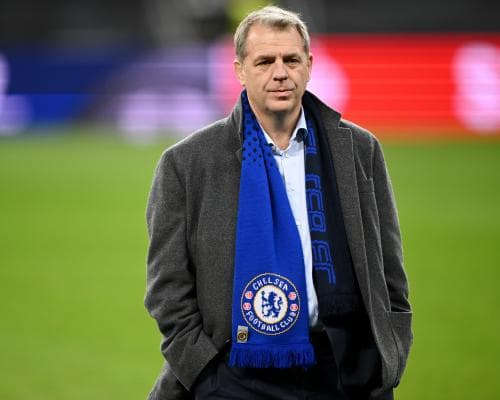
When Todd Boehly led a consortium to buy Chelsea FC for £2.5bn in 2022, it looked like the ultimate trophy asset for a billionaire. Four years later, he's walking away with a bruised reputation and a valuable lesson: in the high-stakes game of sports ownership, deep pockets and star power mean little without control. On Wednesday, Clearlake Capital, the US private equity firm founded by Behdad Eghbali and José E. Feliciano, confirmed it had bought out Boehly and his fellow investor Mark Walter, taking full control of the West London club. The move ends a partnership that had been fractious almost from the start.
The deal itself is a quiet but telling transaction. Boehly, Walter, and Swiss billionaire Hansjörg Wyss had held an equal share of a 38.5% stake in BlueCo, the consortium that acquired Chelsea from Roman Abramovich. But Clearlake was always the majority owner, and Eghbali was the guiding force. The buyout price hasn't been disclosed, but the original £2.5bn valuation—a record for a football club at the time—gives a sense of the scale. For Boehly, this isn't a financial disaster; he likely recouped his investment. But his influence? That's been gone for a while.
The mechanics of the split reveal a classic private equity playbook. Clearlake, which manages over $80bn in assets, didn't just write a cheque and step back. It took operational control from day one. Eghbali, a skilled dealmaker, called the shots on everything from transfer strategy to boardroom governance. Boehly, by contrast, was the public face—the charismatic billionaire who fronted the bid and promised a new era. But when it came to decision-making, he was increasingly marginalised. Tensions boiled over two years ago, with reports that Boehly had lost faith in the partnership and wanted a resolution. He floated bringing in outside investors for a full takeover. Clearlake's response was to consider buying him out—or reducing him to a ceremonial chair. Neither happened immediately, but the writing was on the wall.
Why does this matter? Because it shows how the smartest capital operates in the sports arena. Private equity firms like Clearlake don't buy football clubs for glory; they buy them for cash flow, asset appreciation, and strategic control. They understand that success on the pitch drives commercial revenue, which drives valuation. And they're patient. Boehly, for all his wealth—he's worth around $6bn—was a minority player in a majority-rules game. His exit is a reminder that in any partnership, the person with the largest stake and the most operational control wins. Always.
For Chelsea fans, little will change. Clearlake was already running the show. Eghbali is expected to continue his hands-on approach, focusing on stabilising the club's finances and improving performance. The post-Abramovich era has been rocky—huge transfer spending, managerial churn, and inconsistent results. But Clearlake's deep pockets and disciplined approach could eventually pay off. For Boehly, the lesson is more personal. He entered football with grand ambitions, but he leaves having learned that even billionaires can be outmaneuvered by institutional capital. It's a story that's playing out across sports, from the NBA to Formula 1. Private equity is here to stay, and it's not interested in sharing the spotlight.
Looking ahead, the Chelsea buyout is a sign of things to come. As sports valuations soar, we'll see more private equity firms taking full control, pushing out celebrity investors who lack the operational chops or the capital to keep up. For wealth builders, the takeaway is clear: control matters more than cachet. Whether you're buying a football club or a fintech startup, the terms of the deal—and the governance structure—determine who really wins. Boehly's exit is a cautionary tale, but it's also a blueprint. If you want to play in the big leagues, make sure you're the one holding the majority.


