The Tupac Trial: 30 Years Later, a Cold Case Becomes a Lesson in Reputation Risk
The murder trial of Duane Davis over Tupac Shakur's 1996 killing is a masterclass in how legacy, credibility, and self-incrimination can become the most volatile assets on a person's balance sheet. For wealth builders, it's a stark reminder that a single memoir or public statement can become the evidence that undoes a lifetime of careful positioning.
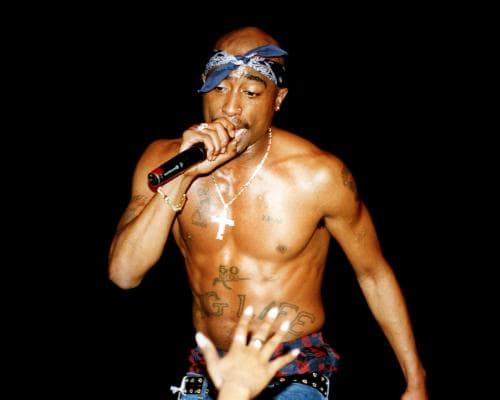
Thirty years. That's how long it took for the Tupac Shakur murder case to move from a cold file in Las Vegas to a courtroom where a medical examiner's photographs are now being projected for a jury. For most of us, three decades is a lifetime. For the wealthy and the powerful, it's a reminder that time does not erase a paper trail—or a published memoir. Duane Davis, a 63-year-old former gang leader, is now on trial for orchestrating the drive-by shooting that killed one of hip-hop's most iconic figures. And the prosecution's best evidence isn't a fingerprint or a DNA sample. It's Davis's own book.
The financial angle here isn't about the money in Tupac's estate—though that estate still generates millions annually from streaming, merchandise, and biopics. This is about the currency of credibility. Davis's 2019 memoir, 'Compton Street Legend,' was supposed to be his legacy play—a chance to claim a slice of infamy and profit. Instead, it's become the noose in a murder trial. Chief Deputy District Attorney Binu Palal told jurors, 'Let's be clear, Duane Davis did not pull the trigger. But he did plan the shooting in retaliation of the beating of his nephew.' The state's case hinges on Davis's own words, published for profit, describing his role in the killing. That's a brutal lesson in how a personal brand can be weaponized against its creator.
The mechanics of the case are as deliberate as a hostile takeover. Prosecutors are using MGM Grand surveillance footage from 1996 to establish motive—the beating of Orlando 'Baby Lane' Anderson, Davis's nephew, moments before the shooting. The medical examiner's testimony authenticates the autopsy report and photographs, grounding the narrative in forensic fact. But the real star witness is Davis himself—or rather, the version of himself he sold to the public. Defense attorney Michael Sanft argues that Davis's statements were lies to inflate his reputation, a classic case of overleveraging one's own story. 'At the end of the day you have to ask yourself: is what they are saying truth or fiction?' Sanft told the jury. That's a question any executive, any investor, anyone with a public profile should ask before they sign a book deal or post a boastful tweet.
This trial is rare in its longevity—most murder cases are resolved in months, not decades. But it's the rarity of the asset that makes it valuable. Tupac's music catalog, his image, his very name—these are assets that have appreciated over time, even as the man behind them has been gone since 1996. The estate has been managed like a carefully diversified portfolio, with posthumous albums, hologram performances, and a biopic that grossed over $200 million worldwide. The trial, though, could complicate that brand. If Davis is convicted, it doesn't change Tupac's legacy—but it does refresh the public's memory of the violence surrounding his death. For the estate's stewards, that's a risk they can't hedge against.
For the wealthy, this case is a cautionary tale about the value of silence. Davis's memoir was likely a modest financial win—a book advance, maybe some speaking fees. But it's now the centerpiece of a prosecution that could end with a life sentence. The lesson is simple: every public statement is a potential exhibit. In an era where billionaires write memoirs, give keynote speeches, and post on social media, the line between personal narrative and legal liability has never been thinner. The smartest capital is often the capital that stays quiet.
Looking forward, the trial will likely run for weeks, with more testimony from former associates, law enforcement, and possibly Davis's co-author. The verdict will be a signal not just for justice, but for how we value credibility in a world of self-mythologizing. For investors, the takeaway is clear: authenticity is an asset, but only when it's true. A fabricated story might sell books, but it can also buy you a prison cell. As the jury weighs the evidence, they're not just deciding Davis's fate—they're judging the price of a reputation built on sand. In the end, the market for truth always settles the account.


