The New Status Sip: Why the Spritz Became the Ultimate Summer Flex
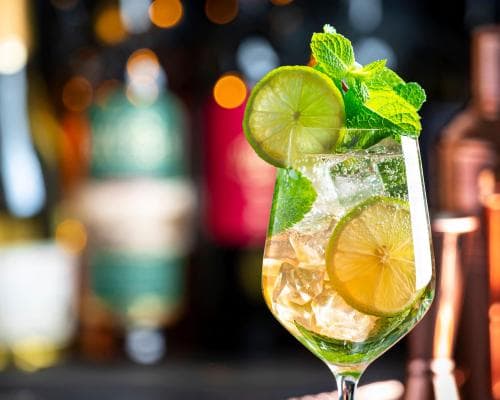
It started with a quiet rebellion in the glass. While the world was busy arguing over Aperol vs. Campari, a floral interloper from the Alps quietly stole the crown. This summer, UK searches for the Hugo spritz—a delicate, elderflower-scented concoction—surpassed those for its bitter orange rival for the first time. And just like that, the spritz became the season's most coveted accessory. Not because it's new. Because it's finally being taken seriously.
Let's be honest: the spritz has always been a drink of leisure, not labor. But this year, the market has gone gloriously rogue. Pub chains are slapping the name on anything fizzy and cold—Echo Falls blue raspberry? Pink gin? A Malibu cranberry abomination? They're charging £10 a pop for what is essentially a sweet, low-proof shrug in a glass. The true connoisseur knows better. The real spritz is a study in restraint: three parts prosecco, two parts a bitter or botanical liqueur, one part soda. That's it. No raspberry syrup. No coconut rum. Just the quiet alchemy of bubbles, bitterness, and a twist of citrus.
The beauty lies in the heritage. Take Select, the 1920 Venetian original, with its 30 herbs and rhubarb root—the drink that gave birth to the Spritz Veneziano. Or Campari, the 1860 Milanese enigma, still secret in its blend, still bracingly bitter. And then there's Cynar, the artichoke-based marvel from Padua—earthy, complex, and decidedly not for the faint of heart. These are not ingredients; they're heirlooms. Each bottle carries a century of craft, a whisper of a Venetian canal at golden hour. When you pour one properly, you're not making a cocktail. You're curating a moment.
This is where the luxury market sees its opening. As the mass market dilutes the category with neon-colored shortcuts, the true aficionado doubles down on provenance. The rise of the Hugo—floral, low-alcohol, impossibly refreshing—signals a shift in taste toward lighter, more nuanced drinking. It's the same movement that elevated natural wine and craft vermouth: a desire for authenticity over volume. And the numbers back it up. Ocado reports a 40% year-on-year surge in shandy sales, with craft brands like Shandy Shack landing in M&S. Even the humble shandy—half beer, half lemonade—is being reborn as a sophisticated, sessionable option for the discerning host.
So what does this mean for those who measure life in rare bottles and private terraces? It means the spritz is no longer a poolside afterthought. It's a statement. A properly made Select spritz, garnished with a single green olive, tells your guests you understand balance. A Cynar with a twist of grapefruit peel says you're adventurous but grounded. And a Hugo, with its elderflower elegance, whispers that you're ahead of the curve. The markup at trendy bars—£10, £12, sometimes more—isn't for the ingredients. It's for the ritual, the glassware, the illusion of effortless cool. But here's the secret: you can own that illusion at home, for a fraction of the cost, with the same precision.
As the summer sun stretches toward autumn, the spritz's reign shows no signs of cooling. The next wave will likely see more artisanal bitters, small-batch sodas, and experimental garnishes—perhaps a kumquat or a shiso leaf. The smart money is on the classics, though. Because in a world of fast trends and faster markups, the true luxury is knowing exactly what you're drinking, and why. So raise a glass to the spritz—not as a trend, but as a tradition. One that rewards the patient, the curious, and those who understand that the best things in life are rarely the loudest. They're simply the most refined.
The Experience
For a private tasting, book a session with a master mixologist through your hotel's concierge, or source rare bottles like Select and Cynar from specialty spirits retailers and host your own Venetian happy hour.
Explore