The New Luxury Asset: Why the World's Elite Are Investing in Britain's Food Future
In the rarefied circles where net worth is measured in nine figures, the conversation has shifted. It’s no longer just about the vineyard in Provence or the private island in the Caribbean. The new marker of true wealth? Knowing your family will eat well—regardless of what the world throws at us. Climate shocks, disrupted trade routes, and volatile harvests are no longer abstract headlines; they are the quiet tremors that rattle even the most polished portfolios. And for those who can afford to look beyond the next quarter, Britain’s food security crisis has become an unexpected playground for strategic, taste-driven investment.
The numbers are stark. Britain, a nation of gardeners and grand estates, imports nearly half of its food, relying on just-in-time supply chains that are one storm away from empty shelves. The government’s own research—a detailed 86-page roadmap for 2050—offers a palette of solutions, yet stockpiling, the most obvious fix, is conspicuously absent. Meanwhile, brilliant minds like George Monbiot and Dan Farag are pointing to a more elegant answer: not warehouses, but communities. And here’s where the wealthy can step in—not as passive observers, but as patrons of a new kind of legacy.
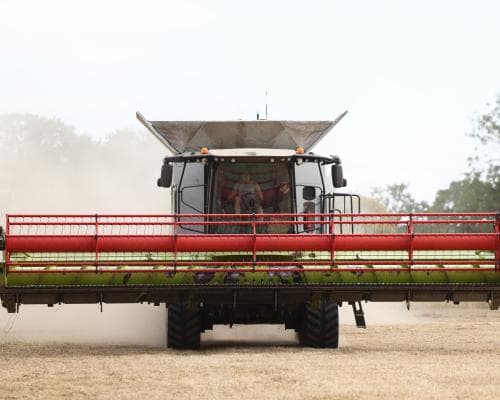
Imagine this: a 2,000-acre estate in the Cotswolds, once reserved for shooting parties and summer balls, now quietly transformed into a model of regenerative agriculture. Not just for profit, but for prestige. The ultra-wealthy have always understood that land is the ultimate store of value—but now, it’s also a statement of foresight. Underused land held by councils, universities, and even the NHS is being eyed by private investors who see what others don’t: the potential for civic infrastructure that feeds, connects, and endures. This isn’t charity; it’s the smartest hedge in a volatile world.
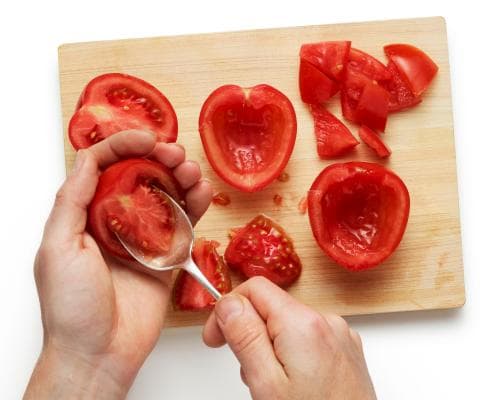
Craftsmanship and rarity have always defined luxury, and food is no exception. The most discerning palates already know the difference between a supermarket tomato and one grown in soil enriched by a century of care. But now, provenance is taking on a new meaning. It’s not just about the terroir; it’s about the resilience of the supply chain. A private chef who can source a perfect pear from a community orchard on the estate’s edge, even during a national crisis, is worth more than any vintage Champagne. The true connoisseur is no longer just collecting art or classic cars—they’re collecting security, and they’re willing to pay for it.
This shift signals a broader evolution in taste. The old markers of wealth—flashy yachts, sprawling mansions—are giving way to something quieter, more substantial. It’s about being the person who can host a dinner party during a flood, with produce grown on your own land, by people you know by name. That’s the new status symbol. It’s not about showing off; it’s about showing you’re prepared. The luxury market has always been about exclusivity, but now it’s also about intelligence. The elite are investing in food security not just as a moral imperative, but as a lifestyle choice that whispers, rather than shouts, their place in the world.
Looking ahead, the next decade will see the rise of the 'resilience estate'—a property that combines the beauty of a traditional estate with the functionality of a self-sustaining ecosystem. For those with the means, this is the ultimate acquisition. It’s not just a home; it’s a legacy. It’s a statement that says, 'I understand the world, and I’m ready for it.' And for those who prefer to dip a toe rather than dive in, there are opportunities to support community food initiatives, to fund research, or to simply start a conversation with a landowner who shares your vision. The future of food is not just about survival; it’s about thriving, with style. And that, dear reader, is the most luxurious thing of all.
The Experience
For a private consultation on acquiring a resilience estate or supporting community food initiatives, contact our lifestyle desk to arrange a bespoke visit to one of Britain's pioneering projects.