The Lost Art of the Weekend: Why True Leisure Is the Ultimate Status Symbol
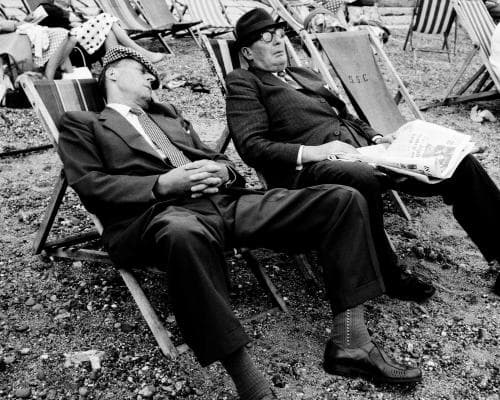
Imagine a world where the weekend doesn't exist. Where Saturday and Sunday are just more cogs in the industrial machine, and your day off is a random Tuesday that no one else shares. That was the reality for Soviet citizens from 1929 to 1940, a bizarre experiment in productivity that stripped workers of their collective rest. The result? A demoralized workforce, shattered families, and a policy so disastrous it was quietly abandoned. But here's the thing: we're not so different today. With hybrid work blurring every boundary, the weekend is quietly dying again—not by decree, but by default. And for those who understand true wealth, reclaiming it is the ultimate power move.
The Soviet experiment is a cautionary tale for the modern elite. The idea was simple: keep factories running 80% of the time by giving each worker one day off in seven, randomly assigned. But the human cost was staggering. A letter to Pravda captured the despair: 'What is there for us to do at home if our wives are in the factory, our children at school, and nobody can visit us? It is no holiday if you have to have it alone.' Parents were home while kids were at school, or vice versa. Family gatherings became impossible. The workforce grew listless, productivity never spiked, and the policy was scrapped. The lesson? Leisure isn't just a break—it's a shared ritual that binds us together. Without it, we lose something essential.
Today, we're not mandated to work seven days a week, but we've created our own version of the Soviet calendar. The laptop snaps shut at 4:58 PM on Friday, but the emails keep coming. Laundry happens during a Zoom call on Thursday, and Sunday night is spent prepping Monday's presentation. 'The weekend looms large because it represents the triumph of collective time over market time,' says historian Brad Beaven. 'It's not just about rest, but about reclaiming autonomy from the industrial clock.' For the ultra-wealthy, that autonomy is the new luxury. It's not about buying a yacht—it's about having the power to say, 'This time is mine, and no one else's.'
The weekend is a masterpiece of craftsmanship, honed over a century. It's the clink of a first pint glass, the slow-motion pace of a Saturday pavement, the roar of a distant lawnmower. These rituals are the heritage of our collective culture. But they're being eroded by the very technology that was supposed to free us. 'The weekend that I had when I was 20 was very different from the weekend that I have now, at 40 and with kids,' says economist Pedro Gomes, author of Friday is the New Saturday. 'When you're young, you bond with friends; when you're older, you're with family. We move through different manifestations of the weekend.' That evolution is precious—and it's under threat.
What does this mean for the luxury market? Everything. The weekend is the ultimate limited-edition asset: 48 hours, non-renewable, gone forever. The wealthy are increasingly investing in experiences that protect this time—private retreats, unplugged villas, and curated weekends that require zero decision-making. It's a status signal that says, 'I control my time, not the other way around.' In a world where everyone is always on, the ability to switch off is the rarest commodity. As one insider put it, 'The new luxury is not owning more—it's doing less, on your own terms.'
So, what's the future of the weekend? It's not about returning to a rigid Saturday-Sunday structure. It's about designing your own sacred time, with the same care you'd put into a bespoke suit. For the ultra-wealthy, that might mean a Friday-to-Monday escape to a private island, or a silent retreat where no screens are allowed. The key is intentionality. The weekend isn't dead—it's evolving into a personalized ritual that only you can define. And that, perhaps, is the most luxurious thing of all.
For those ready to reclaim their time, the first step is simple: book a weekend that's truly yours. No calls, no emails, no 'just checking in.' Just you, the people you love, and the slow, golden hours that make life worth living. Because in the end, the weekend isn't a break from life—it's the point of it.
The Experience
Escape to a private coastal villa where the only schedule is the tide, and your personal concierge ensures every moment is yours alone. Book a three-day unplugged retreat—no screens, no noise, just the art of doing nothing.


