The hidden price of leaving Nigeria: what a 2026 export container really costs
Nigeria's exporters pay thousands before a ship sails. Port bottlenecks, fees and logistics make Apapa one of Africa's costliest exits.
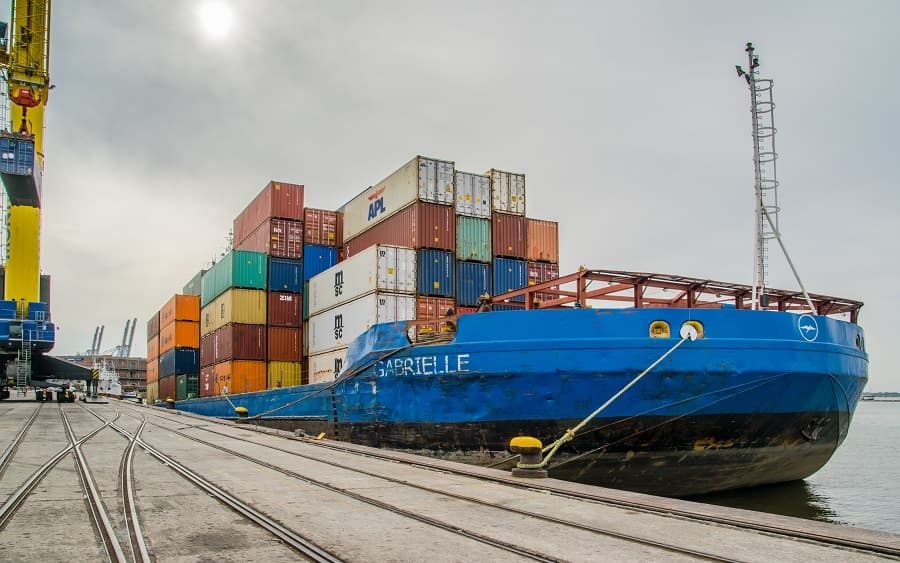
For Lagos exporter Mr. Iyiola, the moment of triumph came early — the moment a buyer in the United Kingdom agreed to take his container of dried hibiscus. Sourcing the goods, packaging them, preparing them for the long voyage: that was the part he thought would break him. It didn't. What nearly did was everything that followed, a cascade of charges that began before his cargo ever touched the port gates.
First came the paperwork: export documents, certificates, regulatory approvals. Then the trucks, crawling through the infamous congestion of Lagos roads to reach the ports. Freight forwarders took their cut. Terminal handlers took theirs. Inspections, container stuffing, more approvals — each step peeled off another layer of naira. By the time the container was hoisted onto a vessel, Iyiola had spent hundreds of thousands of naira on nothing but getting the goods to the ship. The international freight bill, paid in dollars, came on top.
This is the reality of Nigerian non-oil exports in 2026, and it explains why a country so desperate to diversify away from crude oil still struggles to compete. The numbers are telling. Frank Ogunojemite, president of the Africa Association of Professional Freight Forwarders & Logistics of Nigeria (APFFLON), points to bottlenecks across port access, documentation, storage and logistics delays. Okechukwu Anthony Onyebuchi of Fortune Global Shipping describes a system where export documentation is now centrally processed at the Lillypond Export Command in Lagos — a reform meant to improve compliance and traceability, but one that still requires approvals from multiple government agencies, with Customs and other regulators present during container stuffing and verification.
The costs stack up in layers. The Nigeria Export Proceed (NXP) form runs about N8,000 per transaction. Freight forwarding services typically cost between N200,000 and N250,000 per container. Terminal handling charges add more. Inland logistics — moving goods from farms or factories to the ports — depends on fuel prices, road conditions and the sheer unpredictability of Lagos traffic. And none of this includes the ocean freight itself, which Bamidele Ayemibo of 3T Impex Trade Center puts at €1,000 to €2,000 for a 20-foot container to the UK or EU. That figure, he stresses, is only the sea leg — not the full chain.
For outsiders, the numbers might seem modest. But in a country where exporters are often small and medium enterprises, these cumulative costs can be the difference between profit and loss. They also explain a paradox: Nigeria's non-oil exports have grown significantly in recent years, yet the country remains a marginal player in global agricultural trade. The inefficiencies don't just add cost — they add unpredictability, which is worse. A buyer in London doesn't care about Apapa's traffic jams; they care about delivery dates and prices. Every delay, every extra fee, gets baked into what Nigerian goods cost on the world market.
What does this signal about capital and wealth in Africa? It signals that the continent's richest economy is still bleeding competitiveness through its ports. The reforms at Lillypond show awareness of the problem, but awareness is not the same as fixing it. Exporters like Iyiola are not asking for handouts; they're asking for a system where the cost of leaving the country doesn't feel like a punishment for trying to earn foreign exchange. As Nigeria pushes its non-oil agenda — hibiscus, cocoa, sesame, leather — the question isn't whether there's demand for African goods. There is. The question is whether the infrastructure of exit will let them out at a price that makes sense. Until Apapa and its sister ports stop taxing patience, the real cost of a container won't be measured in naira alone — it will be measured in the deals that never happen, the buyers who look elsewhere, and the wealth that stays stuck on the wrong side of the port gate.


