The BBC's Quiet Bet on Women's Football: Why the Flagship TV Show's Demise Is Actually a Bullish Signal
The BBC is scrapping its Sunday-night Women's Football Show on BBC One, shifting highlights to YouTube and iPlayer — a move that looks like a downgrade but is actually a strategic pivot to where younger, wealthier, and more engaged audiences already are. For investors and sponsors, it signals that women's football's commercial value is being repriced for the digital era, not diminished.
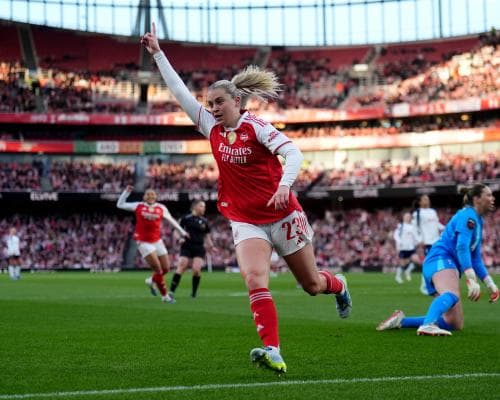
When the BBC quietly pulled the plug on its flagship Women's Football Show, the immediate reaction was predictable: another blow to the women's game, another sign that the traditional broadcasters still treat it as an afterthought. But look closer, and the real story is not a retreat — it's a repositioning. The BBC isn't walking away from women's football. It's walking toward a different kind of audience, one that doesn't sit down at 11:30pm on a Sunday to watch a highlights package. That audience is on YouTube, on their phones, and — critically — they're exactly the people brands and investors are desperate to reach.
The decision to drop the linear TV show for a digital-first strategy mirrors what the BBC did with the men's World Cup this summer, when it skipped a nightly highlights show and instead pushed match-by-match clips online, pulling in millions of viewers. The lesson was clear: the future of sports media isn't the appointment-to-view broadcast. It's the algorithmically fed, shareable clip. And for a sport like women's football, which is still building its audience, the upside of digital distribution is enormous. The WSL is growing, but its broadcast reach has been limited by late-night slots and clunky scheduling. Moving to YouTube and iPlayer removes those friction points — and opens the door to global reach in a way a BBC One slot never could.
Here's the money angle: the BBC's new plan includes a YouTube chat show hosted by Alex Scott, styled after Gary Neville's hugely successful Overlap format. That's not a small detail. The Overlap has become a media property in its own right, generating millions of views and spawning a live events business. It's proven that football talk can be monetized beyond the traditional rights package — through ads, sponsorships, and even ticketed live shows. If the BBC's women's football YouTube channel can replicate even a fraction of that, it creates a new commercial asset for the sport. And that's precisely what the WSL's owners and sponsors want to see: a media strategy that builds value, not just visibility.
For the wealth builders watching this space, the signal is clear. Women's football is no longer a charity case or a diversity checkbox. It's a media asset that's being repriced for the digital economy. The BBC's move is a bet on that repricing — a bet that the sport's audience is young, digital-native, and increasingly affluent. That's why you're seeing a wave of investment in women's clubs from private equity and high-net-worth individuals. They're not buying trophies; they're buying early-stage growth stories in a sector that's still cheap relative to the men's game. The BBC's digital pivot is a marker that the mainstream media now sees the same opportunity.
But let's be honest: the transition is not without risk. Linear TV still matters for older, less digitally savvy fans, and the loss of a weekly BBC One slot could dent awareness among casual viewers. Yet the BBC's commitment to 25 live WSL matches and highlights across every platform suggests it's not abandoning the sport — it's just changing the delivery mechanism. The real test will be whether the YouTube channel can generate the kind of engagement that attracts premium advertisers. If it does, the WSL's next broadcast rights deal — currently in negotiation for 2025 onwards — could see a significant jump in value. That's the number that matters.
For the wealthy, the play isn't just in the clubs themselves. It's in the surrounding ecosystem: media rights, sponsorship, and data. The BBC's move is a reminder that the value in sports is shifting from the broadcast slot to the digital platform, from the passive viewer to the engaged community. The women's game is at the forefront of that shift because it has to be — it doesn't have the legacy broadcast contracts that lock the men's game into old models. That's a feature, not a bug. It means the growth curve is steeper, and the upside is bigger.
So don't mourn the Women's Football Show. Watch what the BBC does next. If the YouTube channel takes off, it won't just be a win for the sport — it'll be a template for how to monetize a growing audience in a fragmented media landscape. And for those who've already positioned themselves in women's football — whether through club ownership, sponsorship, or media rights — this is a green light. The digital pivot is a bullish signal, not a bearish one. The game is changing, and the smart money is already moving with it.