The Andy Burnham Donation Machine: £350,000, Billionaire Backers, and the New Economics of Power
Andy Burnham's rise to PM was bankrolled by nearly £350,000 in donations, including six-figure checks from billionaires David Sainsbury and Gary Lubner — a stark reminder that political capital in Britain now flows through private wealth. For investors and wealth builders, the disclosures reveal how the ultra-rich position themselves early in leadership cycles, turning political contributions into a strategic asset class.
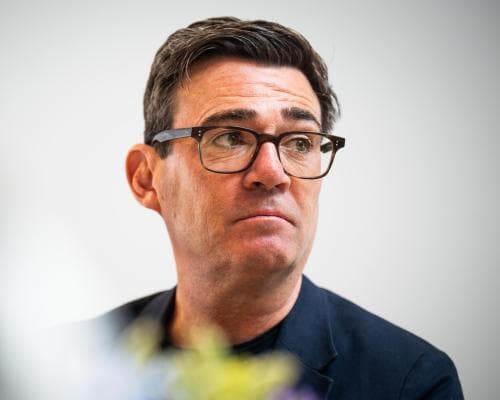
Andy Burnham didn't just win the Labour leadership — he financed it like a startup scaling toward an IPO. The new MPs' register of interests, the first since he took the top job, shows almost £350,000 in donations flooding in between March and his ascent to prime minister. That's not loose change; that's a war chest. And it came with a who's who of British capital: former adviser Sacha Lord, billionaire philanthropist David Sainsbury, and Gary Lubner, the founder of Autoglass. When the wealthy move money like this, the market for political influence is pricing in a winner before the polls close.
Let's break down the mechanics. The donations began in March this year, a full eight months before Burnham walked into Number 10. The biggest checks came from individuals, not just unions — though the unions did their part, with £20,000 from Unison, the CWU, and the Fire Brigades Union. But the real signal is the billionaires. Sainsbury, the former Labour minister and supermarket heir, has long been a political angel investor, but his involvement here is a bet on Burnham's brand of centrist pragmatism. Lubner, a self-made billionaire who sold Autoglass to Belron, is a newer player in this arena. Together, they're not just writing checks — they're buying access, influence, and a seat at the table when Burnham sets the agenda on housing, tech, and industrial policy.
The scale of the money is notable, but the details matter more. Burnham also declared £12,000 in hospitality and trips, including £1,500 for Glastonbury tickets (where he was speaking, mind you) and £500 for Ladies Day at Aintree. That's not corruption — it's the cost of doing business in a political culture where proximity is currency. And then there's the newly formed 'Office of Andy Burnham' — a company set up to manage his affairs post-leadership. That's a standard move for former leaders, but it's also a reminder that political power in Britain now has a corporate structure. For wealth managers, this is a template: when a leader sets up an office, they're thinking about their next act, and that act often involves book deals, speaking fees, and advisory roles that can turn political capital into personal wealth.
Now, let's talk about the other name in the register: Louise Haigh, the chancellor of the Duchy of Lancaster. She accepted £11,000 from Sainsbury for legal advice and £7,500 from Bindmans law firm. Her source says the donations were for legal services related to 'misrepresentation in the media' — a euphemism for fighting off stories about her 2024 fraud conviction over a missing phone. Haigh resigned as transport secretary last November, only to be brought back to run Burnham's campaign and join his cabinet. That's a comeback story, but it's also a case study in how legal costs have become a hidden line item in political careers. For the wealthy, funding legal defenses for allies is a low-cost, high-loyalty investment — and it's a trend that's only growing.
What does this signal for markets? Political donations are a lagging indicator of policy direction, but they're a leading indicator of who's going to be in the room when deals are made. Burnham's backers — Sainsbury, Lubner, and the unions — are betting on a leader who talks about regional rebalancing, affordable housing, and green jobs. That's not just rhetoric; that's a policy pipeline that will funnel public money into construction, clean energy, and infrastructure funds. For investors, the message is clear: follow the money, and you'll find where the next contracts are going. The billionaires aren't writing checks out of charity — they're building a portfolio of political exposure that will pay dividends in favorable regulation and procurement decisions.
The bigger story here is the privatization of political capital. In the old days, party machines raised money from membership and union dues. Now, it's a handful of ultra-wealthy individuals who can move £350,000 in a few months, and they expect a return. That's not a scandal — it's the system. But it's a system that wealth builders need to understand, because it means that political risk is now financial risk, and political connections are a form of alpha. When Burnham sets up his office, he's not just managing his own money — he's creating a vehicle that could be worth millions in the years after his premiership, just as Tony Blair and David Cameron did before him.
So what's the play for the smart money? Watch the companies and sectors that Burnham's donors are already in. Sainsbury's interests span retail and philanthropy; Lubner's wealth is in automotive services. But the real opportunity is in the infrastructure and regional development funds that Burnham's agenda will unlock. If you're building a portfolio for the next decade, you want to be long on Manchester real estate, UK green energy, and any firm that can win government contracts in the North of England. The donations are the tell — the market is already moving, and the billionaires are ahead of it. The rest of us just need to read the register.


