The $8 Green Revolution: How Matcha Became the Ultimate Status Sip
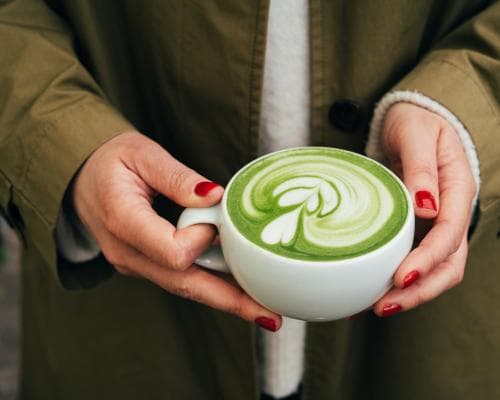
It began with a single sip in a Kyoto teahouse, a moment of quiet revelation that would ripple across the Pacific and into the heart of Australia's cafe culture. Donna Win, a 27-year-old entrepreneur, had never been a coffee person—the caffeine jitters were simply not her style. But when she tasted her first authentic matcha latte in Japan in 2019, she knew she had found something extraordinary. "It was like, wow, this is the real deal," she recalls. Returning to Sydney, she was stunned to find that this vibrant, ceremonial beverage was nearly absent from the city's bustling cafe scene. Fast forward to today, and matcha has not only arrived—it has conquered. With a 133% surge in orders year-on-year, driven largely by the under-35 crowd, the $8 iced matcha latte has become a non-negotiable staple on menus from Bondi to Brisbane. This isn't just a drink; it's a statement, a lifestyle, and for the ultra-wealthy, the latest marker of refined taste.
The numbers tell a story of explosive demand that borders on obsession. According to a recent report by ordering platform Hey You and Westpac DataX, matcha orders have skyrocketed, with young Australians happily paying a premium—about $2 more than a standard flat white—for the privilege of sipping this emerald elixir. But this isn't just about caffeine. It's about a cultural shift. The #matcha hashtag has amassed over 5 million videos on TikTok, turning the drink into the internet's reigning beverage fixation. For the wealthy, it's not merely about the drink itself but the ritual, the aesthetic, and the health halo that surrounds it. Matcha is rich in antioxidants and anti-inflammatory compounds, offering a "mild start" to the day, as Sarah Xu, a thirtysomething operations head, puts it. She swapped her daily oat latte for matcha and now adds supplements like cacao for focus or keratin for muscle recovery. It's a bespoke approach to wellness that resonates with those who treat their bodies as their most valuable asset.
But what truly elevates matcha to the realm of luxury is its craftsmanship and rarity. The finest matcha comes from Kyoto, where tencha leaves are shade-grown, hand-picked, and stone-ground into a fine powder—a process that demands precision and patience. This artisanal heritage comes at a cost. The wholesale price of tencha has surged by 69% over the past year, from ¥8,235 to ¥13,972 per kilogram (roughly A$122). This isn't just inflation; it's a supply crisis born of global demand. For the discerning connoisseur, this price hike is a badge of honor. It signals that you are consuming something scarce, something that cannot be mass-produced without losing its soul. The Japanese tea ceremony, with its choreographed movements and meditative focus, is the antithesis of the hurried espresso shot. To drink matcha is to participate in a centuries-old tradition that values quality over quantity—a philosophy that aligns perfectly with the ethos of those who collect rare watches or commission bespoke yachts.
Matcha's rise is more than a trend; it's a cultural barometer. It reflects a broader shift among the affluent toward mindful consumption and aesthetic living. The "matcha girlies," as they're affectionately called, are not just drinking a beverage; they're curating an identity. The photogenic quality of the drink—that vivid, almost unnatural green—makes it the perfect accessory for a lifestyle that prizes visual beauty and social currency. As Jade Gillis, a 24-year-old hospitality worker, admits, "Unfortunately, it is a bit of an aesthetic." But this aesthetic is deeply intertwined with a desire to escape the jittery, high-octane energy of coffee culture. With roughly 70mg of caffeine per serving compared to coffee's 80-100mg, matcha offers a smoother, more sustained focus—an appealing alternative for those who want to maintain their edge without the crash.
Looking ahead, matcha's trajectory shows no signs of slowing. Donna Win and her sister have already launched the Matcha Club, a social group that organizes cafe-hopping events for enthusiasts across Sydney. It's a community built around a shared passion, and it's thriving. For the ultra-wealthy, the next frontier might be owning a private matcha farm in Uji or commissioning a custom ceramic bowl from a master artisan. The supply constraints in Kyoto only add to the allure, making each sip a rare and precious experience. In a world where luxury is increasingly about authenticity and provenance, matcha offers something intangible: a connection to a tradition that values patience, beauty, and balance. So, the next time you see that glowing green cup, remember—it's not just a drink. It's a statement of taste, a nod to heritage, and perhaps the most sophisticated way to start your day.
For those who wish to experience this lifestyle firsthand, consider a private tasting session with a matcha sommelier, or a curated journey through Kyoto's tea fields, where you can witness the meticulous process from leaf to cup. It's an investment in pleasure, health, and the quiet luxury of a perfectly prepared bowl of tea.
The Experience
Indulge in a private matcha ceremony at a high-end tea house in Kyoto, or join an exclusive tasting club in your city to explore rare, single-origin blends.