The £100 Million Reckoning: Inside the Church of England’s Fight to Heal the Wounds of Slavery
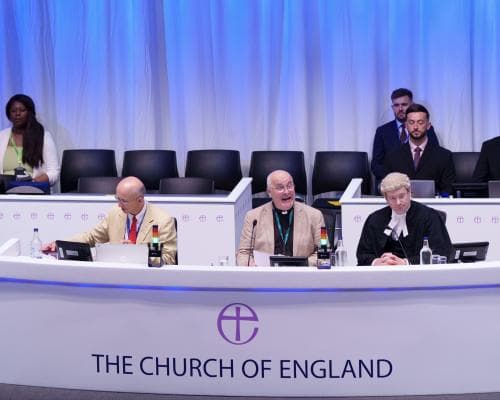
On a grey Yorkshire morning, inside the grand hall of the General Synod, Archbishop Stephen Cottrell stood before a room thick with tension. He wasn’t there to deliver a sermon. He was there to defend a promise — a £100 million promise to reckon with a past the Church of England has spent centuries trying to outrun. The project is called Spire. And it is under siege.
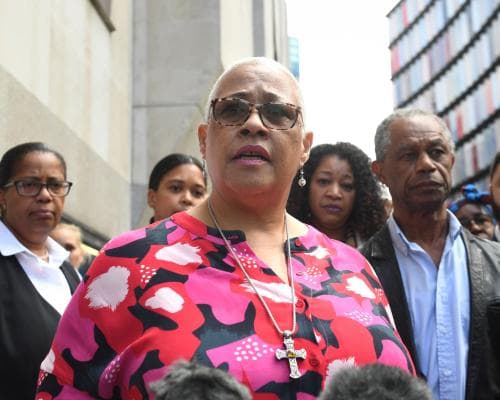
Project Spire is not a charity drive or a PR stunt. It is the Church’s most ambitious attempt at reparative justice ever — a fund designed to invest in descendant communities of the enslaved, backing startups that aim for both social good and financial return. But since its launch in 2023, it has drawn fire from right-wing think tanks, Tory politicians, and even some church members who argue the money would be better spent on pews and parish roofs. Now, a formal legal challenge looms.
The roots of Spire go deep — all the way back to 1704, when Queen Anne’s Bounty, a Church endowment fund, began investing in the South Sea Company. That company transported more than 34,000 enslaved Africans across the Atlantic. The fund also accepted donations from Edward Colston, a senior figure in the Royal African Company, whose statue was toppled by protesters in Bristol in 2020. For centuries, the Church profited from human bondage. The estimated haul: roughly £5 million a year in today’s money from sugar plantations in Barbados alone between 1710 and 1838 — a staggering £640 million total.
So when the Church Commissioners — the body that manages the Church’s assets — committed £100 million to Spire, it was both a gesture and a down payment. The money is expected to seed an “impact investment fund,” backing businesses in communities still bearing the scars of the slave trade. The idea is not charity, but capital with a conscience: startups that create jobs, restore ecosystems, and build wealth where it was systematically stripped away. The Church hopes to see a financial return, but the real dividend is repair.
Yet the critics have been relentless. The right-wing Policy Exchange think tank, along with Conservative MP Katie Lam, has called the project “historically uninformed.” Some Church of England members say the money should go to struggling parishes or clergy pensions. The abuse has been vile, according to staff involved in the project — online harassment, threats, and accusations of “wokeness.” At the Synod, Cottrell called them “doubting Thomases” and insisted the project is about truth, not guilt. ‘This is a work of healing, justice and repair,’ he said. ‘We cannot undo history, but we can choose what we do with it.’
Daniel Matovu, a barrister representing the diocese of Oxford at the Synod, went further. He reminded the room that the Church didn’t just passively profit from slavery — it ‘supported, defended and participated in’ it. He argued that the £100 million figure, while large, is a fraction of the wealth extracted. The legal challenge now threatens to stall the fund before a single pound is deployed. But for Matovu and other advocates, the fight is not about stopping Spire — it’s about making sure it goes far enough.
What Project Spire represents, at its core, is a new kind of philanthropy: institutional, reparative, and unflinching. It is not a billionaire writing a cheque from a penthouse. It is a 2,000-year-old institution staring into the mirror and deciding that the cost of honesty is worth paying. Whether the courts allow it to proceed — or force it to do more — the Church of England has already changed the conversation. For every other institution with a colonial shadow, Spire is a warning and a template: the reckoning is coming. And it comes with a price tag.