Tata Trusts' Noel Tata Moves to Block Chandrasekaran's Third Term as Tata Sons Chairman
Noel Tata opposes N Chandrasekaran's five-year extension as Tata Sons chairman, exposing a rift over a possible IPO for the $100bn-plus conglomerate's holding company.
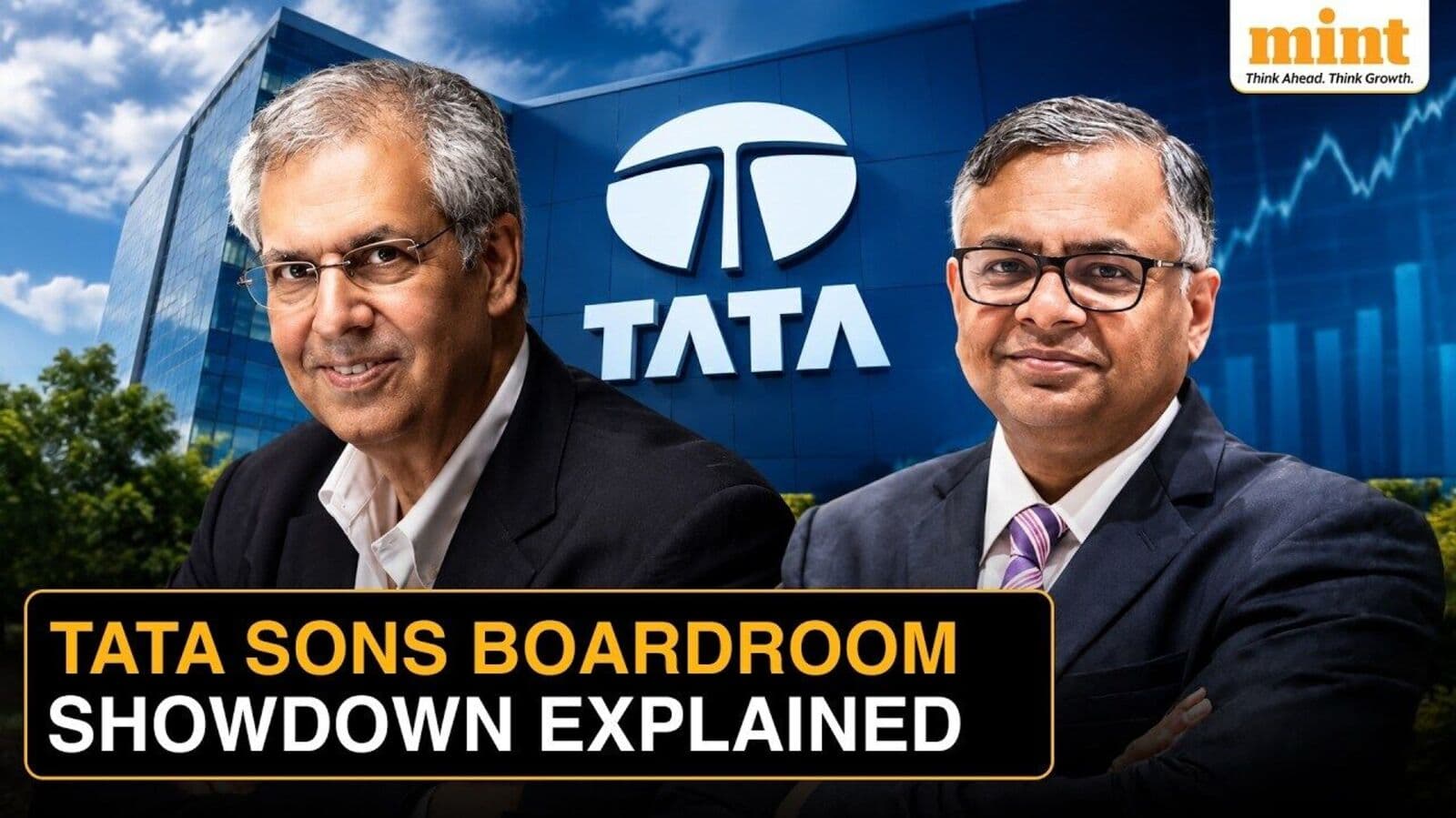
A single vote at Bombay House has reopened the most consequential succession question in Indian business. Noel Tata, who chairs the Tata Trusts, has signalled he will challenge the reappointment of N Chandrasekaran as chairman of Tata Sons — the holding company at the apex of India's largest conglomerate — according to a Reuters report. The board had approved a third five-year term for Chandrasekaran on Thursday. Noel Tata, the report says, voted against it. For anyone tracking where Asia's old-money dynasties are placing their chips, this is not a routine governance squabble. It is a fight over whether the Tata empire stays private or is finally forced into the public market.
The facts are these. Chandrasekaran, 63, has run Tata Sons since 2017, when the board removed Cyrus Mistry and Ratan Tata stepped in as interim chairman. He won a second five-year term in 2022. In August he told board members he did not intend to serve a third, a decision taken before the Reserve Bank of India ruled last week against Tata Sons' request to surrender its non-banking financial company registration. That ruling matters enormously: without the NBFC exemption, Tata Sons may face renewed pressure to list. The company has spent more than a year trying to avoid exactly that, repaying over ₹21,000 crore of debt to keep regulators at bay. Its Nomination & Remuneration Committee is now expected to formally ask Chandrasekaran to reconsider stepping down, according to PTI, on the logic that stable leadership reassures investors ahead of any IPO.
To understand the stakes, you need the ownership map. Tata Trusts and allied entities hold roughly 66% of Tata Sons, the vehicle that controls listed giants from Tata Consultancy Services to Tata Motors and Tata Steel. The Shapoorji Pallonji Group, the Mistry family's construction-to-real-estate conglomerate, holds about 18% and has broken with the Trusts by supporting a listing. Noel Tata's opposition to an IPO dates back at least to February, when he raised concerns during a nearly three-hour meeting at Bombay House; that same stance was reportedly among the conditions attached to his support for Chandrasekaran's previous extension. The two men have also clashed over how capital is deployed into newer bets — Air India, Tata Digital and BigBasket — several of which continue to lose money. Noel Tata's position is complicated by family: Shapoorji Pallonji was founded by his father-in-law, yet the firm now sits on the opposite side of the listing debate.
Seen from Singapore, Hong Kong or Tokyo, the Tata episode is a case study in a broader Asian pattern. The region's conglomerates — Korean chaebol, Thai family groups, Indonesian holding empires — are increasingly caught between the privacy that lets patriarchs allocate capital patiently and the disclosure that public markets demand. In India, the RBI's stance effectively narrows Tata Sons' room to manoeuvre, pushing a famously insular holding company toward the transparency it has spent years and billions of rupees avoiding. Noel Tata's dissent also signals that the Trusts, the philanthropic backbone of the group, intend to assert themselves rather than rubber-stamp board decisions.
What happens next will be read as a verdict on governance across India Inc. If the committee persuades Chandrasekaran to stay, the board will have chosen continuity and IPO-readiness over the Trusts' chairman. If Noel Tata prevails, Tata Sons may retreat further into private ownership — and delay, perhaps indefinitely, the listing that outside investors have long anticipated. Either way, the next few weeks at Bombay House will tell Asia's wealthy families something important: whether the old guard can still overrule the boardroom, or whether the market, and the regulator, now set the terms.