Shoprite’s Lekki tax tangle exposes the fragile dance between Lagos revenue hunters and retail survival
LIRS seals Shoprite Lekki over tax claims; retailer denies closure, says routine visit. A tale of Lagos enforcement and retail strain.
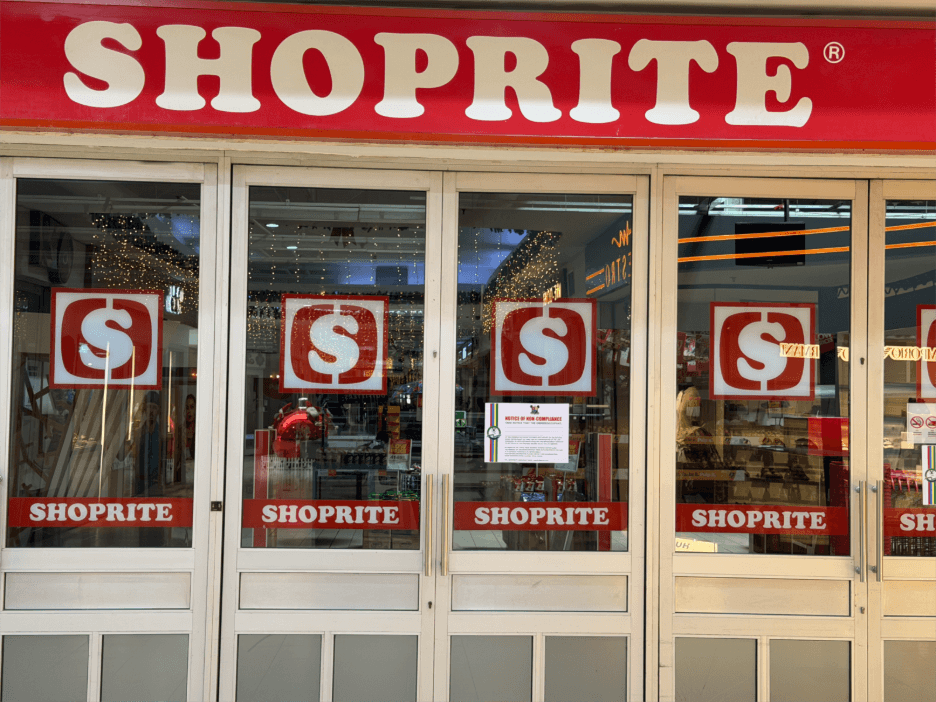
Walk past The Palms Shopping Mall in Lekki this week and you might have caught it: a stark official notice plastered on the doors of one of Lagos’s most iconic supermarkets, declaring the premises in breach of tax law and threatening imprisonment. For a city that loves its retail cathedrals, the image was jarring. But as with most things in Nigeria’s commercial capital, the reality is murkier than the photograph suggests. The Lagos State Internal Revenue Service (LIRS) says it sealed the Shoprite outlet over unpaid obligations under the Personal Income Tax Act. Shoprite Nigeria says, hold on, the store never closed — that was just a routine compliance visit, and the photo of a shut door was likely snapped outside operating hours.
The core facts are thin but telling. The LIRS posted a notice citing Section 94 of the Personal Income Tax Act 2011, warning of fines and jail time for non-compliance, and ordering that the notice not be removed without authorisation. Yet the agency has not clarified whether it was targeting Shoprite, the mall’s owners, or a specific tenant. Shoprite’s strategy unit representative, Bunmi Adeleye, told Nairametrics the Lekki store is fully operational and that the issue is being resolved. So we have a classic Lagos standoff: a revenue authority flexing its statutory muscle, and a retailer insisting it’s all a misunderstanding. For outsiders, this may look like bureaucratic theatre. For anyone tracking wealth in Africa, it’s a window into how state power and corporate capital collide in the continent’s biggest city economy.
To understand why this matters, you need the backstory of Shoprite in Nigeria. The South African giant once symbolised retail ambition across the continent, but its Nigerian arm — operated by Retail Supermarkets Nigeria Limited (RSNL) — has been bleeding for years. Working capital constraints, unreliable power in malls that spoiled fresh produce, and empty shelves in Ibadan and Ilorin have turned a former market leader into a cautionary tale. The company has been quietly restructuring, shrinking store formats, sourcing more locally, and chasing tighter liquidity ahead of the Q4 shopping rush. In that context, a tax dispute at the flagship Lekki outlet is not just a legal footnote; it’s a stress test of whether a struggling retailer can survive the aggressive revenue collection that Lagos is known for.
Lagos State is the wealth engine of Nigeria, but it runs on taxes. The LIRS has become one of the most efficient revenue agencies in Africa, and it does not shy away from public enforcement actions against big names — from banks to breweries. Sealing a Shoprite in a posh mall sends a message: no one is too big to comply. But it also raises a question that resonates across the continent. When a retailer is already fighting to stay afloat, how much pressure can state tax collectors apply before they push a business over the edge? The answer matters not just for Shoprite, but for every multinational and local chain operating in Africa’s most populous nation, where the gap between revenue targets and business reality is often a chasm.
What this episode signals is a shift in the balance of power. African governments, desperate for domestic revenue as foreign aid shrinks and debt burdens grow, are turning to aggressive local enforcement. The Shoprite case, whether or not the closure was real, is a reminder that tax compliance is now a frontline issue for capital in Africa. It also shows the fragility of retail supply chains: a single regulatory spat can disrupt consumer confidence, and a viral photo of a sealed door can do more damage than any quarterly earnings report.
Looking ahead, the resolution of this dispute will be watched closely by investors and retailers alike. If Shoprite emerges with a clean slate and a reopened store, it will signal that dialogue can work. If the LIRS doubles down, expect more multinationals to rethink their Lagos footprints. For now, the smart money is on a quiet settlement — Lagos wants the tax revenue, and Shoprite wants to sell groceries during the Christmas boom. But the underlying tension is not going away. As African cities grow richer and states grow hungrier, the dance between the taxman and the retailer will only get more intricate. The Palms Mall doors may be open today, but the warning on that notice will linger in the minds of every finance director in Lagos.


