Shona Joy, the Australian label that dressed a generation of weddings and race days, will close after 26 years as its founder steps back
Australian fashion label Shona Joy is closing after 26 years, with its founder stepping back — a marker of succession pressure in Oceania's independent luxury fashion.
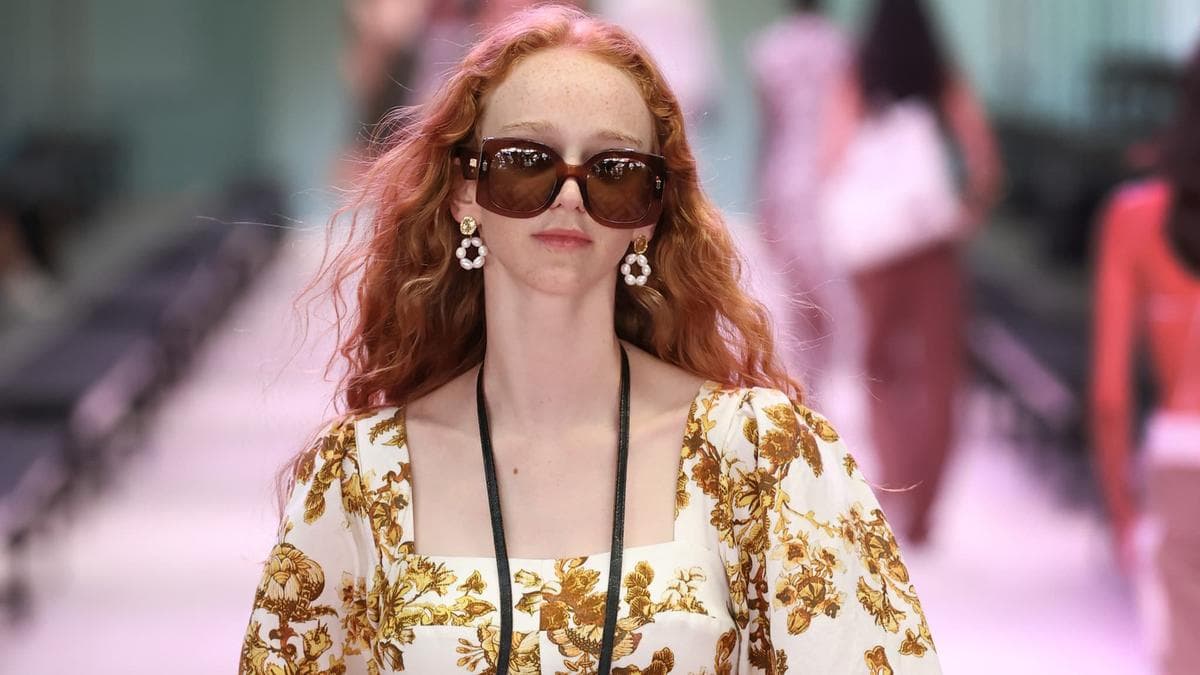
For a certain stratum of Australian women — the ones who plan spring weddings, book Flemington marquees and know their local tailor by first name — Shona Joy has been a quiet constant for a quarter of a century. Now the label's run ends. The Australian fashion brand will close after 26 years, with its founder stepping back from the business, according to a report by The West Australian. For anyone tracking private wealth and family enterprise across Oceania, that is more than a fashion footnote. It is a case study in what happens when the person and the brand are the same thing.
The facts, as reported: Shona Joy is an Australian fashion label, it has operated for 26 years, and it will shut as its founder steps away. The report does not disclose the founder's personal wealth, the terms of any transaction, the size of the business or the fate of its stores and staff. Those details matter to the eventual wind-down, and their absence is itself telling — this is a privately held, founder-led business, not a listed company obliged to explain itself to the market. The closure was confirmed publicly rather than through a corporate filing, which is how most of Oceania's mid-market fashion houses enter and leave the stage.
To understand why this resonates locally, you need the context an outsider won't have. Shona Joy occupies a specific niche in the Australian market: occasion wear and accessible luxury, the dresses that carry women through weddings, racing carnivals and summer soirées. It is not a global megabrand, and it never pretended to be. Its equity was built on fit, price point and a very Australian social calendar — the Melbourne Cup, the spring racing season, the backyard wedding boom. In a market of roughly 26 million people, brands like this survive on loyalty and word of mouth rather than scale, and they are intensely personal to their customers in a way European luxury conglomerates rarely manage.
That is precisely why the founder's departure is the story. In founder-led fashion, the designer's taste is the product; the name on the door is the strategy. When that individual steps back, there is often no second act — no creative director succession, no private-equity buyer waiting with a growth plan. Oceania has seen this pattern repeatedly across retail, hospitality and consumer brands: businesses that thrive for decades under one owner, then close rather than change hands. The region's wealth is full of these single-operator success stories, and thin on institutional structures to carry them forward. A closure after 26 years is a respectable innings. It is also a reminder that longevity and transferability are different things.
There is a wider signal here about capital in Oceania. The region's consumer economy is small, geographically dispersed and expensive to serve, which makes independent fashion a tough place to compound wealth. Margins are squeezed by offshore fast-fashion competitors and by the fixed costs of physical retail. Founders who built their brands in the 1990s and 2000s are now reaching the age where stepping back is a choice, not a crisis — and many are choosing to wind down rather than sell to a buyer who would dilute what they built. Expect more of these announcements across Australia and New Zealand in the next few years, particularly in apparel, where the founder-generation transition is well underway.
For the customers, the practical questions are immediate: what happens to outstanding orders, to the stores, to the staff. For the wealth watchers, the interesting question is what the founder does next. Twenty-six years of brand equity, a loyal customer base and a recognisable name do not simply evaporate — they become either a sale, a licensing play or a very comfortable retirement. The report gives no indication which. What it does confirm is that another self-made Australian story has reached its final chapter, and that the country's independent fashion sector has one fewer name to point to when it talks about building something that lasts.


