Rio Tinto Builds a Trading Desk to Match Its Ore Pits
Rio Tinto is expanding its metals trading business, a strategic shift for the Anglo-Australian miner that has long let others market its output.
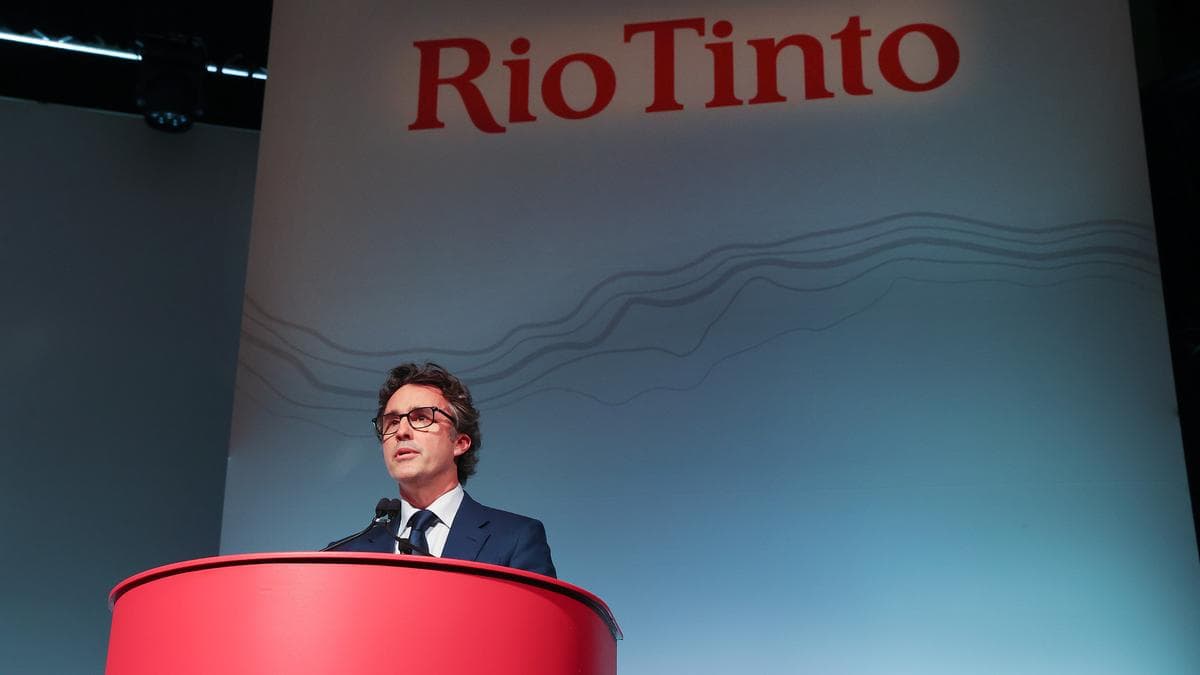
Rio Tinto has spent decades digging iron ore out of the Pilbara and letting others worry about what happens to the price. That posture is changing. The Anglo-Australian mining giant is moving to expand its metals trading business, according to a Bloomberg report published by The West Australian — a signal that one of the most conservative players in global resources wants a seat at the table where its own commodities get priced.
The facts as reported are spare: Rio Tinto plans to grow its trading operation, a business it has historically kept deliberately modest. No deal size, no valuation, no named counterparty. What matters is the direction of travel. For a company whose fortunes are tied to the iron ore price, trading is a way to capture margin that currently leaks to intermediaries — the traders, banks and Chinese steel mills that sit between a Pilbara pit and a blast furnace in Hebei.
The company is not a stranger to commerce, but it has never behaved like Glencore or Trafigura. Rio Tinto's DNA is geology and logistics: finding ore bodies, building rail lines, shipping tonnage. Its marketing arm has long been a quiet function, selling contracted volumes rather than punting on spreads. Expanding trading means hiring traders, building risk systems and accepting mark-to-market volatility on the P&L — a cultural shift for a miner that has spent the past decade rebuilding its reputation after the destruction of the Juukan Gorge rock shelters in 2020 and a series of governance stumbles.
Why does this matter to anyone tracking wealth in Oceania? Because Rio Tinto is one of the two or three companies that anchor the Australian economy. Its iron ore division in Western Australia generates a torrent of royalties, wages and dividends that flow into Perth, Melbourne and London. When Rio Tinto changes how it sells, it changes the economics of the entire supply chain. A bigger trading book could give the miner more influence over the benchmarks that determine what the Australian government collects in royalties and what shareholders receive in payouts.
There is a wider pattern here. BHP has built out its own trading and marketing capabilities. Fortescue is pushing into green iron and shipping. The big diversified miners are all edging toward the middle of the value chain, where the margins are less cyclical than extraction. Add the energy transition — copper, lithium, aluminium — and the case for a sophisticated trading desk becomes stronger. Whoever can move metal and read the market fastest wins.
The risk is that trading brings a different kind of shareholder. Miners are valued on assets and cash flow; traders are valued on returns and risk appetite. Rio Tinto's board will have to convince investors that a bigger trading arm is a margin story, not a volatility story. The company has not said how far it will go, and the report offers no timeline. But the direction is clear. The Pilbara's biggest digger wants a hand on the tiller, not just the shovel.
For a global audience, the takeaway is simple: the next chapter of Australian mining wealth may be written not in the ground but in the spread between what Rio Tinto digs up and what the world pays for it.