Reform UK's Tice Bets Against Net Zero — and Against the £4bn Cost of Heat
Richard Tice's dismissal of climate action as 'arrogant' ignores the £4bn hit to UK output from recent heatwaves, a risk that wealth builders are pricing into portfolios. His comments highlight a growing political divide that is reshaping energy and infrastructure investing.
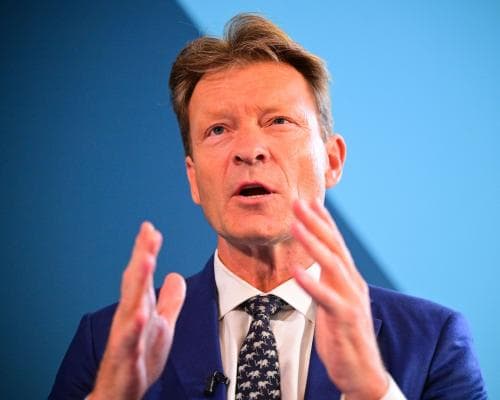
When Richard Tice stood before the press and urged Britons to 'enjoy' the heatwave, he wasn't just offering weather advice. He was making a capital allocation argument — one that flies in the face of every serious money manager's risk model. The Reform UK deputy leader called net zero 'arrogant' and suggested adapting to a warmer world is smarter than trying to stop it. But here's the thing: adaptation is not free. It never has been, and it's getting more expensive by the day.
Let's put a number on what Tice is telling us to embrace. The UK's record-breaking summer — with temperatures above 35°C on multiple occasions — cost the economy an estimated £4 billion in lost output. That's not a rounding error. That's a mid-sized FTSE company disappearing. And it's not just about output. The government's own data shows 2,877 people died during the May and June heatwaves alone — double the figure for the entire previous summer. Every one of those deaths is a human tragedy, but in cold market terms, it's also a productivity shock, a healthcare cost spike, and a drag on the insurance and reinsurance sector.
Tice's dismissal of climate action as 'arrogant' is a dangerous misreading of where the smart capital is flowing. Look at the numbers: the global market for climate adaptation is projected to hit $500 billion annually by 2030, up from roughly $200 billion today. That's a 150% expansion in less than a decade. Asset managers like BlackRock and Vanguard are pouring billions into infrastructure resilient to extreme weather — flood defenses, heat-resistant grids, drought-proof agriculture. The UK's own National Infrastructure Commission has warned that failing to adapt could cost the country up to £12 billion a year by 2050. That's not 'doom and gloom'; that's a balance sheet.
Tice's suggestion that warmer weather means better English wine is a nice soundbite, but it's a cherry-picked upside. Yes, sparkling wine production in southern England has grown — but the same heatwaves are devastating wheat yields, stressing water supplies, and triggering wildfires. Weeks ago, the UK saw its most widespread 'firewave' on record, with wet winters followed by prolonged heat creating tinderbox conditions. In capital markets, this is what we call asymmetric risk: a few percentage points of upside in wine exports versus billions in losses across agriculture, health, and infrastructure. The trade doesn't work.
The political angle matters to investors, too. Tice's comments are not fringe; they reflect a growing populist pushback against net zero in the UK and Europe. That policy uncertainty is itself a market risk. Energy companies are holding back on long-term renewable investments because they don't know if subsidies will survive a political swing. Meanwhile, fossil fuel incumbents are quietly extending the life of assets, betting on delayed transitions. For the wealthy, this creates a two-speed market: short-term gains from oil and gas, but long-term exposure to stranded assets and regulatory whiplash. The smart money is hedging both ways — holding some energy exposure but building positions in adaptation plays that profit regardless of policy.
Here's the uncomfortable truth Tice doesn't want to confront: the climate is changing whether we 'enjoy' it or not. The question is who pays. The UK's £4 billion summer bill is a preview of what's coming. For every degree of warming, the cost of inaction compounds. Insurance premiums are already rising in flood-prone areas; coastal property values are stagnating; pension funds are being asked to stress-test for climate scenarios. The wealthy are not waiting for political consensus — they're buying land at higher elevations, investing in water rights, and backing startups that make cities cooler. That's not arrogance; that's prudence.
So when Tice tells you to enjoy the heat, remember he's not just making a political statement. He's telling you to ignore a £4 billion annual cost that's only going up. For anyone building or protecting wealth, that's not a suggestion — it's a warning. The market has already voted. The only question is whether you're on the right side of the trade.


