Ravi Kumar Bets Cognizant's AI Future on a Three-Block Rebuild
Cognizant CEO Ravi Kumar merges application development, digital engineering and testing into one AI-native software group as clients demand returns on AI spend.
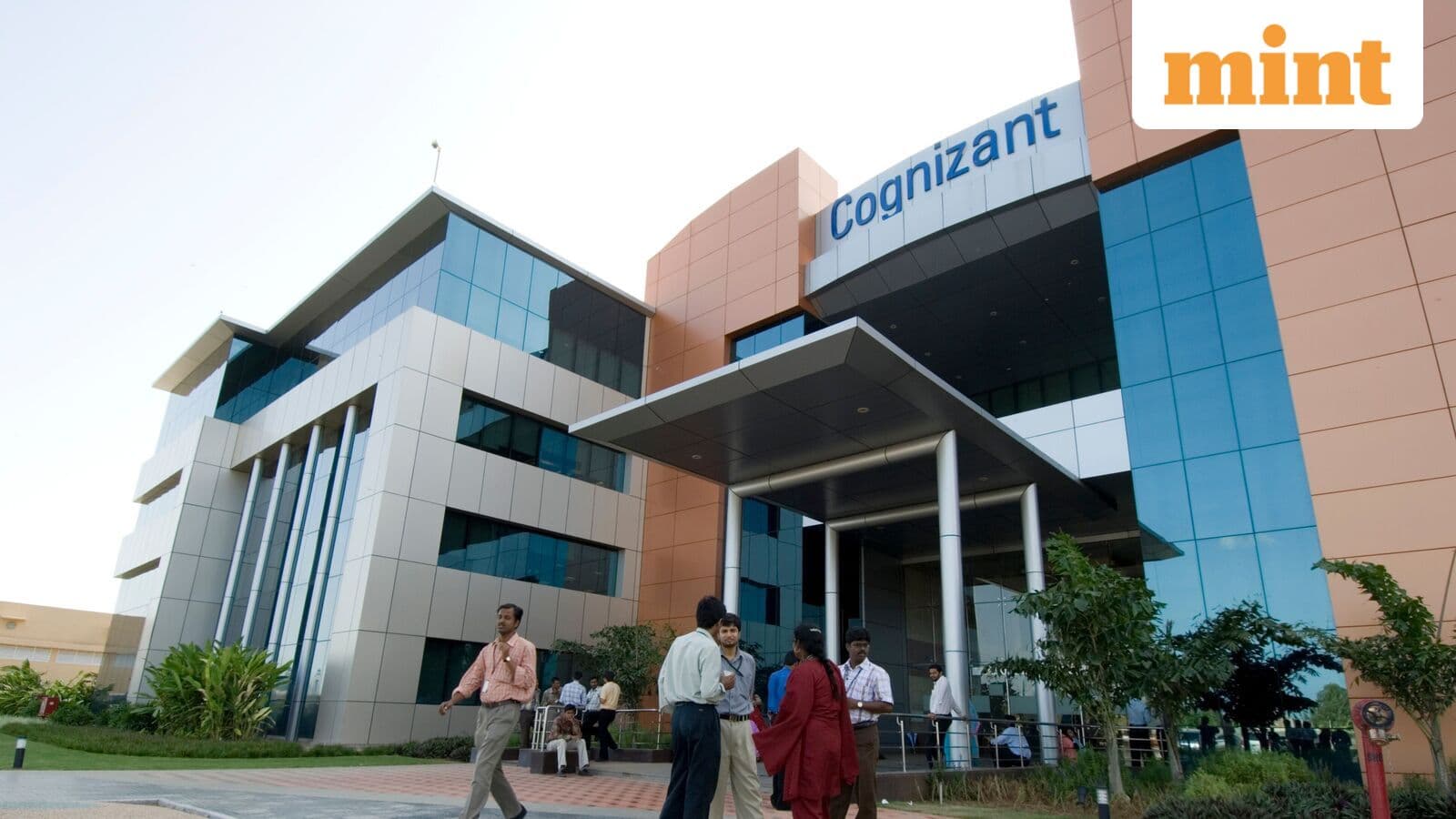
Ravi Kumar has spent nearly three years running Cognizant Technology Solutions Corp. Now he is rearranging the furniture in a very public way. The company's chief executive, who took charge in January 2023, is presiding over what Mint reports is arguably the largest organizational overhaul of his tenure — a restructuring that merges application development and maintenance, digital engineering, and quality engineering and assurance into a single software engineering group. The change took effect on 26 October, with groundwork laid over the preceding four months through internal memos on the company's OneCognizant employee platform.
The numbers frame the stakes. Cognizant, which runs a January-to-December financial calendar, closed 2025 with revenue of $21.1 billion, up 7% year on year. Nearly three-fourths of its workforce sits in India. The Nasdaq-listed firm is now organizing that workforce into three "building blocks": Industry Delivery Units serving sectors from financial institutions and healthcare to communications, media and technology; Frontier Capability Units building AI-native software products using models from Anthropic, OpenAI and Google's Gemini; and a standalone Application Services Unit specializing in mainframes, application management and software testing tools. Employees began being tagged to the new structure from 1 October.
For readers outside the sector, Cognizant is one of the giants of Indian IT services — the industry that turned Bengaluru and Chennai into back offices for the world's banks, insurers and drugmakers. Its peers include Tata Consultancy Services and Infosys, and like them, Cognizant built a fortune on labor arbitrage: moving code, testing and maintenance work to India at a fraction of Western cost. That model is now under pressure. Generative AI threatens to automate precisely the entry-level coding and testing tasks that filled Indian delivery centers for two decades. Merging three previously separate practices into one industry-aligned group is a bet that clients no longer want to buy discrete services — they want integrated outcomes.
The company's own internal memos are unusually candid about why. "The gap between AI investment and proportionate returns is the defining challenge enterprises face today," one memo read, warning that fragmented adoption and disconnected workflows leave value stranded, and that the divide between enterprises harnessing AI effectively and those that don't is widening. Cognizant says it is closing that gap through four areas: products with embedded AI, operational efficiency, application modernization, and quality assurance through governance layers. In plain terms, the firm is trying to sell clients not headcount but results — a shift every Indian IT major is attempting, with varying success.
What does this signal for Asian capital? First, that the region's outsourcing empires are being repriced by the AI cycle, not merely disrupted by it. Second, that leadership in this market is increasingly about partnerships with American model builders — Anthropic, OpenAI and Google — rather than pure engineering scale. Kumar's restructuring is a wager that Cognizant's relevance depends on being a full-stack, AI-native partner rather than a vendor of tasks. Mint could not independently ascertain the leadership structure of the new units, leaving questions about who actually runs the three blocks.
Watch the execution, not the announcement. Reorganizations of this size take quarters to show up in margins, and clients reassessing their outsourcing budgets will vote with contracts. For Kumar, the test is simple: whether a single software engineering group can deliver AI returns faster than three separate practices could. For the wider Indian IT industry, his answer will be read as a template — or a cautionary tale.