Pygma's PY9 takes Latin American fintech founders to San Francisco for the first time
Pygma opens PY9 applications, moving its fintech accelerator finale to San Francisco, signaling a shift toward profitability and global connections.
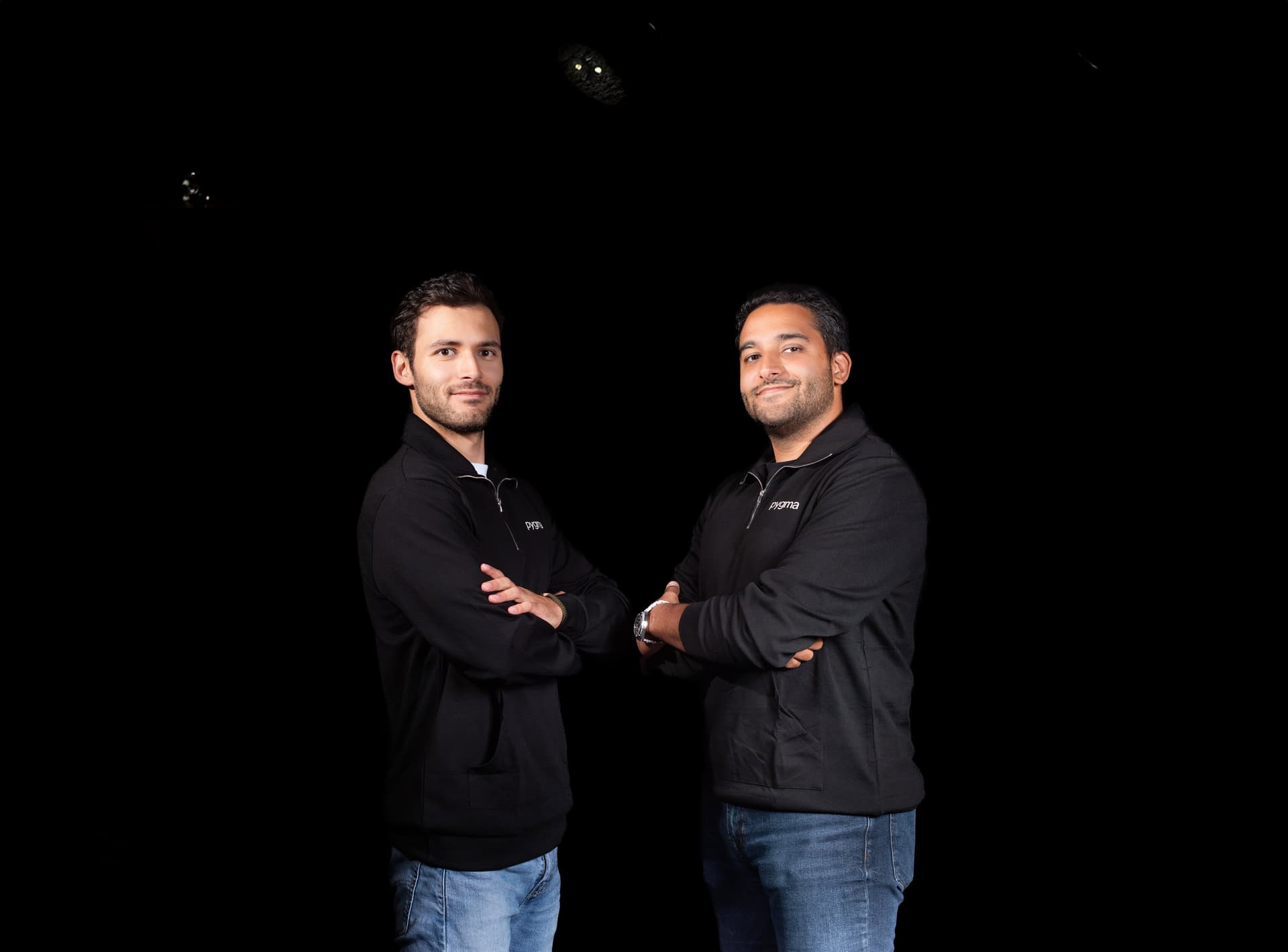
For a generation of Latin American founders, the path to scale has usually ended in Miami or Mexico City — not San Francisco. That changes now. Pygma, the New York-headquartered accelerator with deep roots in the region, has opened applications for its ninth cohort, PY9: The Future of Fintech, and for the first time in the program's history, the closing event will unfold in the heart of Silicon Valley. It is a small geographic tweak with an outsized symbolic weight: the region's most promising pre-seed fintech startups will no longer just pitch to local investors; they will do it where the global playbook is written.
The program, which targets pre-seed startups led by Latin American founders, maintains its sharp vertical focus on fintech. But the shift to San Francisco signals a maturation that has been building quietly across the ecosystem. According to the Latin American Private Equity and Venture Capital Association, investors are increasingly favoring companies with financial infrastructure models, AI applied to financial services, and businesses with sustainable unit economics closer to profitability. That is a far cry from the growth-at-all-costs mantra that defined the region's tech boom a few years ago. Pygma's own numbers from its last cohort, PY8, tell the story: nearly 40% of those startups are already profitable, and more than 70% operate under B2B or B2B2C models.
Pygma is not a household name outside fintech circles, but inside them it has become a quiet force. Born from the merger of Buildup Camp, a Dutch startup academy, and Acanof, a data-driven Latin American accelerator, the firm now operates as both accelerator and venture capital vehicle, with an active presence across Latin America and direct lines into Silicon Valley. To date, it has accelerated 148 fintech startups across 17 countries and channeled nearly US$40 million into the sector. Colombia accounts for 35% of its portfolio and Mexico another 20% — a concentration that reflects where the region's fintech energy has concentrated. One standout, Callbook AI, which applies artificial intelligence to portfolio management in banking, has managed portfolios worth more than US$200 million so far in 2026 and boosted client revenue by up to 30%.
The decision to hold PY9's finale in San Francisco is deliberate. Andrés Cano, general partner and co-founder, puts it plainly: the goal is to connect entrepreneurs with operators, investors, and executives who have already walked the path, and to bring founders closer to the ecosystem where the next generation of global fintech is being built. Daniel Ospina, his co-founder, adds that startups emerging from the accelerator raise an average of nearly US$400,000 after completing the program. The logic is simple: reduce the learning curve for pre-seed founders and plug them into a community that understands how to scale both in Latin America and the United States.
This matters beyond Pygma's own portfolio. For anyone tracking capital flows in South America, the shift reflects a broader rebalancing. Venture funding is no longer flowing to flashy consumer apps with massive user bases and no revenue; it is flowing to infrastructure, compliance, fraud prevention, and AI-driven efficiency tools — the unglamorous plumbing of finance. PY8 graduated 17 startups from Argentina, Brazil, Chile, Colombia, the United States, Mexico, Peru, and Venezuela, spanning payments, compliance, financial infrastructure, and enterprise software. That geographic and vertical diversity, paired with a focus on profitability, suggests the region's fintech scene is entering a more disciplined phase.
For the founders who join PY9, the waitlist is now open, with early access to content, sessions, and community conversations before formal applications begin. The program retains its intensive format: individual mentoring, one-on-one sessions, specialized workshops, investor meetings, Demo Day, and post-acceleration support. Mentors like Salomón Zarruk, Miguel Burger, and Christian Knudsen have been part of recent cohorts. The shift to San Francisco is not just a venue change; it is a statement that Latin American fintech is ready to compete on a global stage — and that the region's capital, once seen as peripheral, is now part of the core conversation. The question is no longer whether these startups can raise; it is whether they can build the next generation of finance, from Bogotá to São Paulo, with Silicon Valley watching.


