Paga CEO Tayo Oviosu: Why Stablecoins Alone Can't Fix Africa's 8.46% Remittance Trap
Paga CEO Tayo Oviosu explains why stablecoins solve speed but not liquidity, licensing or FX in African cross-border payments, as Sub-Saharan remittance costs hit 8.46%.
Sending $200 to Sub-Saharan Africa costs an average of 8.46% of the amount transferred — the steepest rate of any region on earth, against a global average of 6.36%, according to World Bank data for the third quarter of 2025. For anyone who tracks where African capital leaks value, that number is the story: it is a tax on every diaspora wire, every supplier payment, every small trader settling an invoice across a border.
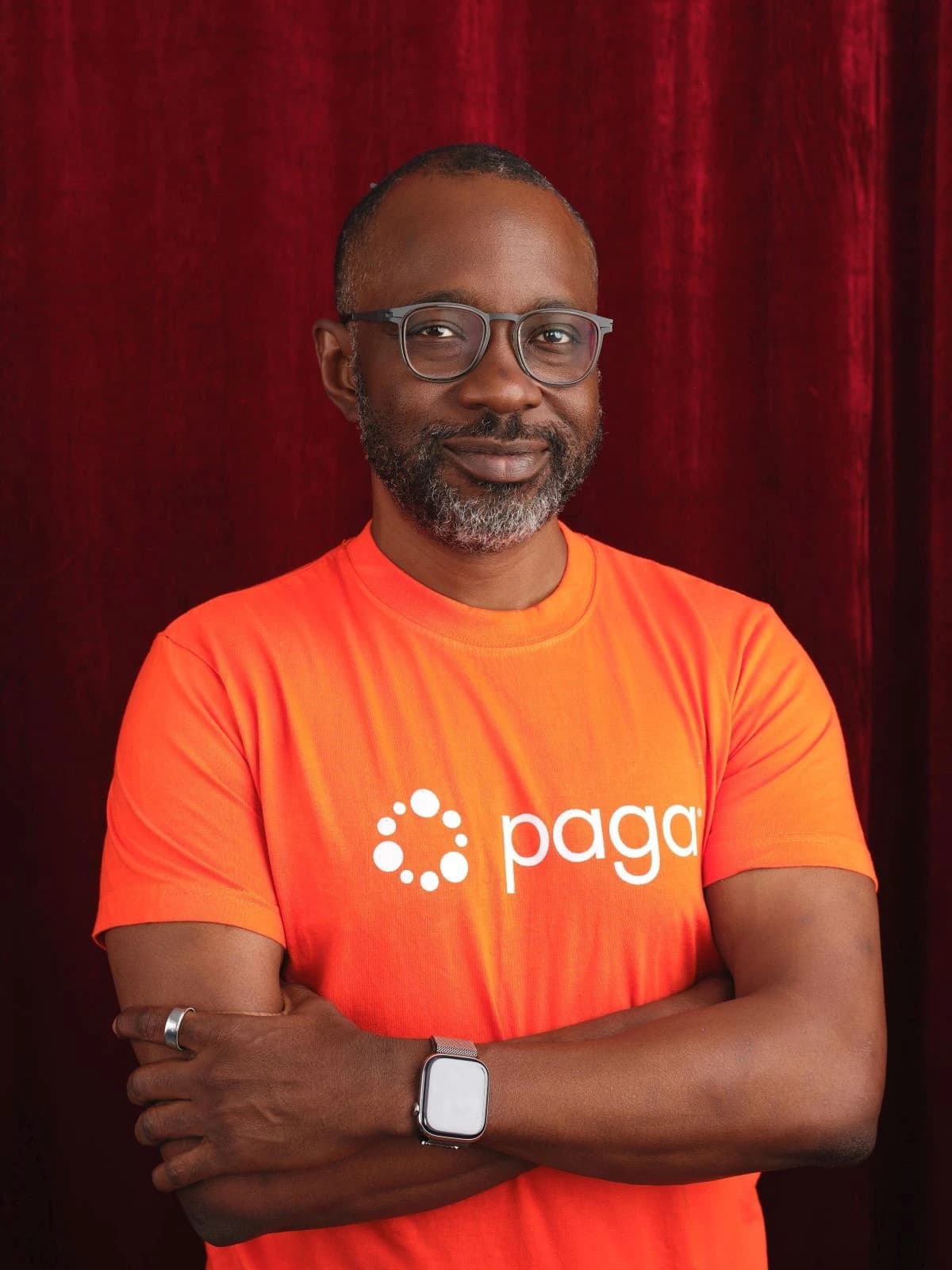
Tayo Oviosu has spent more than 17 years building the infrastructure that moves money around the continent. As group CEO of Paga, the Nigerian payments company he founded, he has watched stablecoins arrive with a promise of near-instant settlement — dollar tokens crossing borders in seconds on some blockchains — and he is unconvinced that speed alone closes the gap. In an exclusive interview with Nairametrics, Oviosu laid out the arithmetic that fintech founders tend to learn late. A dollar stablecoin can move in seconds, he said, but the person on the other end usually wants naira in a bank account. Everything between those two points — deep local liquidity so conversion does not move the price, access to foreign exchange shaped by central bank policy, a licence in each country, KYC and sanctions screening that satisfy each regulator, and a reliable way to cash out — remains hard. A blockchain, as he put it, does not give you a banking relationship in Kenya or a licence in Ghana.
Paga is one of Nigeria's most recognisable fintech names, a platform that began life moving cash through agent networks and has since repositioned itself as plumbing for other businesses: more than 375 enterprises now build on it, according to Oviosu. The company's latest push is Paga Engine, which sits underneath partnerships with the Sui blockchain — providing a fast, low-cost stablecoin network and a dollar stablecoin, USDsui, that offers yield — and with Crossmint, which supplies stablecoin wallet infrastructure across more than 50 blockchains. Paga does the unglamorous local work: converting local currency into dollars and back again, legally and at scale. The practical result is that a company anywhere in the world can pay someone in Nigeria in a stablecoin and have it land as naira in a bank account within minutes.
The cost comparison explains why this matters. A traditional corridor stacks fees — the sending bank takes one, the correspondent another, an FX spread sits on top, then the receiving bank, then cash-out if the recipient needs physical notes — and settlement usually takes one to three days. Moving the stablecoin itself is cheaper because fewer parties are involved, and it takes seconds. Oviosu's sharpest point for corporates is about pre-funding: a fintech in Hong Kong no longer needs to park money with Paga in Nigeria to send funds there. It can send stablecoins and let the recipient receive naira. At scale, that frees working capital that African corridors have long held hostage.
What Oviosu is describing is a shift in what counts as valuable in African fintech. The last decade rewarded consumer apps and wallet sign-ups. The next one, on his reading, rewards licences, liquidity and regulatory relationships — the boring assets that cannot be forked. He is candid that the technology fragments as fast as it proliferates: every new chain and every new stablecoin is another island unless someone connects them, which is why Paga has gone multi-chain and multi-stablecoin so the complexity stays on its side of the line. He wants regulators to recognise each other's licensing for this activity, so a company approved in one market does not start from zero in the next, and he wants local rails across countries to connect, with pan-African settlement work helping there.
His ambition is explicit: to make Paga the global financial infrastructure for Africans, the engine powering other companies' access to domestic and global rails, and to take Paga Engine into other African markets with local licences and partners — one platform, many corridors. Whether that vision holds depends less on blockchain throughput than on central banks, FX windows and the patience to secure permissions country by country. For the wealth managers and founders watching this space, the signal is clear: the winning African payments company of the next cycle may not be the one with the fastest chain, but the one that owns the hardest last mile.